Ever found yourself staring at the endless line of security trays, wondering whether you should trade that airport chaos for a sleek, humming train? That was me last spring, when a last‑minute business meeting in Chicago left me torn between the high‑speed rail vs flying debate that haunts every traveler with a schedule. I remember the sigh of relief as I stepped onto the platform in Indianapolis, the train’s doors sliding shut like a promise, while my colleague was already juggling luggage at O’Hare. The question was simple: would the rails actually shave off enough time and stress, or was the plane still the undisputed speed champion?
Here’s the no‑nonsense contract: I’ll strip away the marketing hype, pull the curtain back on ticket prices, boarding times, and carbon footprints, and walk you through the real‑world trade‑offs I’ve logged on three separate trips. By the end you’ll know exactly when the rails win, when the jet still reigns, and how to decide without second‑guessing yourself at the gate. No jargon, no vague “fast vs fast” no fluff—just the gritty, experience‑based facts you can act on tomorrow.
Table of Contents
High‑Speed Rail
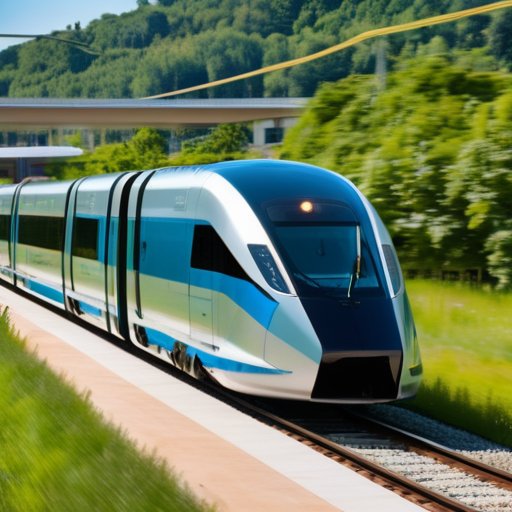
High‑speed rail is a passenger train system that zips along dedicated tracks at speeds typically exceeding 250 km/h (155 mph), shaving hours off journeys that would otherwise take a day by road. By leveraging electric traction, aerodynamic carriages, and precision signaling, these trains glide smoothly while consuming far less fuel per passenger‑kilometre than cars or planes. The chief selling point? Blazing‑fast door‑to‑door travel that rivals, and often beats, short‑haul flights without the hassle of security lines or runway delays. Governments tout it as a climate‑friendly alternative, promising to shift millions of flyers onto rails and cut national carbon footprints dramatically, while expanding networks turn distant cities into neighboring stops.
Imagine stepping off a city tram and, within an hour,
Head-to-Head Comparison
| Feature | High-Speed Rail | Flying |
|---|---|---|
| Typical Travel Time (city‑pair ~500 km) | 2–3 hrs (direct) | 1 hr flight + 2–3 hrs total (check‑in, security) |
| Average Ticket Price | $70–$120 | $150–$300 |
| CO₂ Emissions per Passenger‑km | ≈15 g CO₂ | ≈115 g CO₂ |
| Convenience (check‑in & security) | Minimal security, city‑center stations | Lengthy security, airport distance from city |
| Accessibility (station/airport location) | Stations in city centers, frequent service | Airports often suburban, fewer ground connections |
| Capacity per Vehicle | 300–600 seats per train | 150–300 seats per aircraft |
| Weather Sensitivity | Low (operates in most conditions) | High (delays/cancellations in storms) |
Highspeed Rail vs Flying Speed Cost and Carbon Showdown
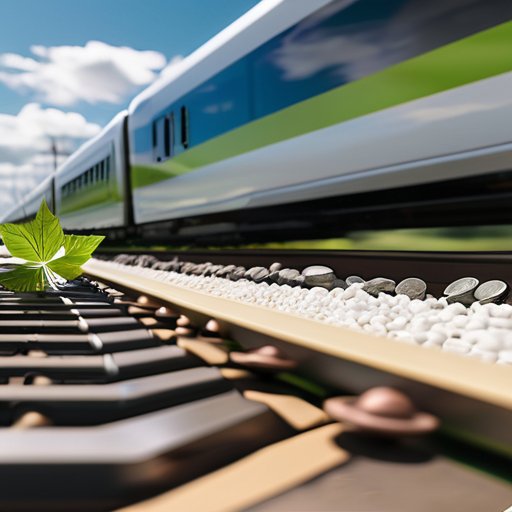
When you’re booking a trip, three deal‑makers decide: how fast you’ll arrive, what you’ll spend, and how hard you’ll hit the planet’s climate budget. Those metrics cut through hype in the rail‑vs‑flight debate.
In raw speed, a 300 km/h bullet train can shave 30‑40 minutes off door‑to‑door trips because stations sit downtown, whereas a plane adds an hour of taxi, security, and boarding. On price, rail usually wins the commuter’s wallet—a €45 Berlin‑Hamburg ticket beats a €80 flight, though flash‑sale fares can flip that script on short routes. That time saved can be the difference between catching a connecting train or missing a crucial meeting.
If you’re already mapping out a speedy rail trip and thinking about how to make the most of a brief stopover, a quick browse of the local scene can turn a plain layover into a memorable mini‑adventure—the best way to uncover hidden bars, quirky venues, and the city’s legendary after‑dark vibe is to check out the casual guide at sex in birmingham, which packs practical tips and off‑beat recommendations into an easy‑to‑read format.
When the carbon ledger rolls out, trains are the clear under‑dog champion: they emit about a quarter of the CO₂ per passenger‑kilometre that a short‑haul flight does, assuming the electricity isn’t coal‑heavy. Even on grids with a mix of renewables and fossil fuels, rail typically stays under half the emissions of the comparable flight, giving frequent travellers a tangible climate edge.
Overall, for the speed‑cost‑carbon trifecta, high‑speed rail clinches the win—except on ultra‑long hauls where the plane still zips ahead.
Bottom Line
On short‑to‑medium routes, high‑speed rail often beats flying in total door‑to‑door time because stations sit in city centers and security lines are short.
Tickets for premium rail can be pricier, yet budget airlines still win on raw cost; however, rail’s lower carbon footprint can make the extra spend worthwhile for many travelers.
Choosing rail slashes CO₂ emissions dramatically—up to 80 % less per passenger—making it the greener choice for environmentally conscious journeys.
On Tracks and Wings
Choosing a bullet train over a jet isn’t just about speed or price—it’s a decision about how we want to feel the world move beneath us, not just above us.
Writer
Conclusion: Choosing the Track or the Turbine
Looking back at the numbers, high‑speed rail and commercial aviation each stake a claim on a different set of strengths. Trains win on environmental edge, slashing CO₂ per passenger by up to 80 % and often delivering city‑center to city‑center trips without the baggage‑claim shuffle. They also handily outpace short‑haul flights when you factor in check‑in, security and ground transport, giving rail a speed advantage on routes under 800 km. Airplanes, however, still dominate long‑distance corridors, where their cruising velocities and global network trump any rail line that would have to snake across borders. Cost-wise, low‑fare airlines can undercut rail on price‑sensitive routes, while premium rail services justify higher tickets with spacious cabins and seamless transfers. In the end, the winner depends on distance, budget, and how much you value the planet.
Whether you board a sleek train or step onto a jet, the choice is more than a line‑item on a travel budget—it’s a statement about the future we’re building together. As governments pour billions into electrified corridors and airlines chase sustainable fuels, the gap between speed and sustainability is shrinking, inviting travelers to reimagine travel as a seamless, low‑impact experience. So the next time you plot a journey, ask yourself: am I chasing minutes or a cleaner legacy? The tracks and the turbines are both waiting; the real adventure begins when we let our values steer the itinerary.
Frequently Asked Questions
Which option is faster for a 500‑mile trip?
Straight up, a plane will get you there faster. A typical commercial jet cruises at 500‑600 mph, so a 500‑mile hop is roughly a one‑hour flight. Add check‑in, security and boarding, and you’re looking at about 2‑2.5 hours door‑to‑door. A high‑speed train cruising at 180‑220 mph covers the same distance in 2½‑3 hours, plus a few minutes for getting on and off. So if sheer speed is your only concern, flying wins.
How do the environmental impacts of high‑speed rail and flying compare?
On the green front, high‑speed rail usually wins hands‑down. A single passenger‑kilometer on a modern electric train emits roughly 1‑2 g CO₂, while a comparable flight can spew 80‑150 g. Trains also recycle heat and can run on renewable power, slashing their footprint even further. Planes burn fossil fuel at altitude, creating contrails that add warming. So if you’re chasing lower carbon footprints, the rail line typically leaves the airplane in the dust by a comfortable margin.
What hidden fees or extra costs should I watch out for when booking either a train or a plane?
Don’t let the “ticket price” fool you—both modes hide extra costs that can balloon your budget.
Trains: Look out for seat‑reservation fees (especially on high‑speed services), luggage surcharges for extra bags or oversized items, and “premium‑class” upgrades that appear as a cheap add‑on at checkout.
Planes: Expect baggage fees (even a tiny carry‑on can cost), airline‑imposed seat‑selection or priority‑boarding charges, and the dreaded “fuel‑surcharge” that’s tacked on after you hit “pay.”
Scanning the fine print before you click “buy” saves a surprise at the gate or platform.