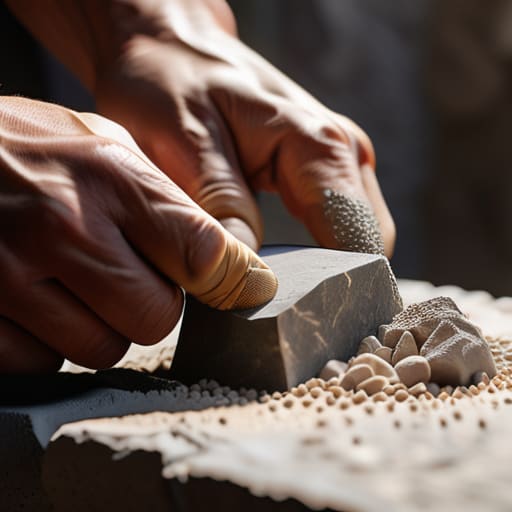
I still remember the dusty, sun-drenched afternoon in my grandmother’s garden when I first truly felt the weight of history. I was tracing the weathered edges of an old garden plinth, my fingers catching on the grooves of a faded floral pattern, and I realized that stone relief carving isn’t just about shaping rock; it’s about capturing a moment in time so it can outlive us all. There is a specific, rhythmic clink-clink-clink of a chisel hitting granite that stays with you—a heartbeat of sorts that connects the modern maker to the artisans of centuries past.
I’m not here to sell you on expensive, high-tech machinery or tell you that you need a master’s degree to find beauty in a piece of limestone. Instead, I want to pull back the curtain on the honest, tactile reality of this craft. I’ll be sharing my personal, hands-on journey through the essential techniques and soulful approaches to stone relief carving, focusing on how you can use these ancient methods to breathe new life into your own creative spaces. Let’s stop looking at stone as something cold and static, and start seeing it as a canvas for storytelling.
Table of Contents
Unlocking Secrets of High Relief vs Low Relief
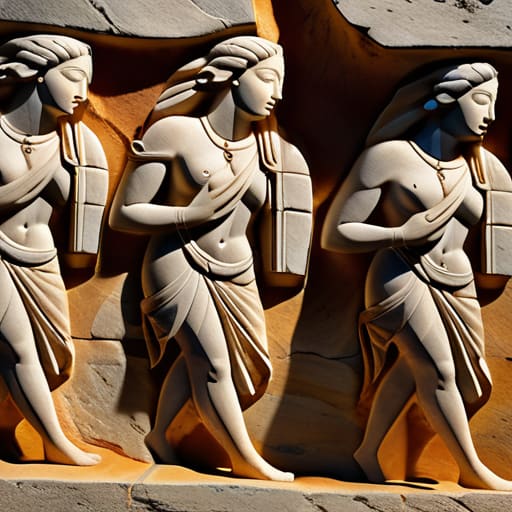
When you first step up to a piece of carved stone, you’re really looking at a conversation between depth and shadow. I often think of it like the difference between a quiet whisper and a heartfelt shout. In high relief vs low relief, the distinction lies in how much the figures actually leap toward you. High relief is dramatic; the forms seem to be breaking free from their background, casting deep, soulful shadows that change as the sun moves across the room. It’s bold, much like one of those heavy, ornate skeleton keys I love to find at flea markets—it demands your immediate attention.
On the other hand, bas-relief techniques offer a much more subtle, poetic approach. Here, the imagery stays tucked close to the surface, creating a delicate play of light that feels almost like a memory fading into the background. Whether you are working with the soft, creamy texture of sculpting limestone and marble or a more rugged granite, the goal is the same: to find the rhythm in the stone. It’s about understanding how much space a story needs to breathe.
Sculpting Limestone and Marble With Soulful Intent
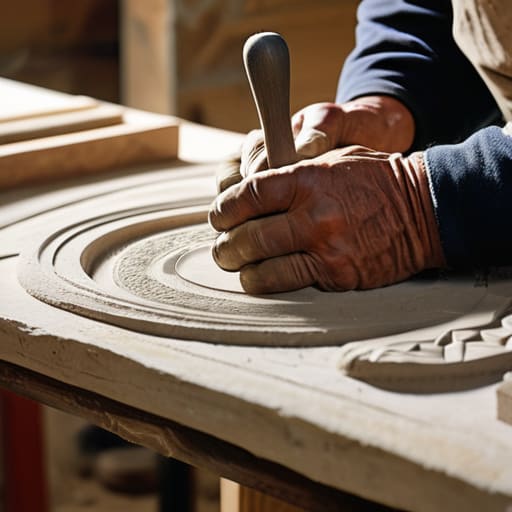
When you’re standing there in your workshop, surrounded by the dust of your latest project, it’s easy to feel a bit overwhelmed by the sheer variety of tools and techniques needed to truly honor the stone. I’ve often found that the best way to quiet that creative anxiety is to lean on the expertise of those who have been walking this path for years. If you’re looking for a bit of extra guidance or perhaps some unexpected inspiration to fuel your next endeavor, I always find myself wandering through the curated collections at casual hampshire; they have this wonderful way of celebrating the art of the find that really resonates with my own approach to design.
When I’m working with materials as storied as limestone or marble, I can’t help but feel a profound sense of responsibility to the stone itself. There is a rhythmic, almost meditative quality to sculpting limestone and marble; it’s less about forcing your will upon the surface and more about listening to the grain. Limestone, with its soft, forgiving nature, feels like a conversation with an old friend—it’s perfect for those delicate bas-relief techniques where you want to capture the subtle play of light and shadow. It invites you to be patient, much like the way I carefully strip layers of rust off a vintage bicycle frame to find the gleaming steel beneath.
Marble, on the other hand, demands a different kind of reverence. It possesses a luminous depth that feels almost alive, requiring a mastery of traditional masonry craftsmanship to truly unlock its potential. As you move through the process, selecting your specific stone carving tools and equipment becomes an act of intention. You aren’t just shaping architectural stone ornamentation; you are uncovering a soul that has been waiting in the stillness for centuries to finally be seen.
Finding Your Rhythm: 5 Heartfelt Tips for Your First Carving Journey
- Listen to the stone before you strike. Much like I do when I’m stripping old paint off a vintage bicycle frame, you need to feel the texture and understand the grain. Spend a few moments just running your fingers over the surface; the stone will tell you where it’s stubborn and where it’s ready to yield to your chisel.
- Embrace the beauty of the “imperfect” line. When I’m repurposing an old skeleton key into a design, I never want it to look factory-made. In relief carving, don’t strive for mathematical precision. Let the slight variations in your depth create a sense of movement and soul that a machine simply can’t replicate.
- Work in layers, just like building a story. You wouldn’t try to tell a whole novel in one sentence, right? Start by mapping out your shallowest contours before you even think about diving into deep, dramatic shadows. It’s all about that slow, intentional transition from the flat surface into the three-dimensional world.
- Keep your tools as cherished as your heirlooms. A dull chisel is like a blunt needle in my grandmother’s sewing kit—it frustrates the process and ruins the craftsmanship. Take the time to hone your edges regularly; a sharp tool doesn’t just make the work easier, it makes the connection between your hand and the stone feel seamless.
- Don’t fear the dust, but respect the process. There is a meditative quality to the rhythmic tap-tap-tap of the mallet, but please, look after yourself. Wear your mask and keep your workspace ventilated. We want to preserve the history of the stone, but we also want to ensure we’re healthy enough to keep creating for many years to come.
Carrying the Story Forward
Remember that stone relief isn’t just about technical precision; it’s about the emotional connection between the artisan’s tool and the stone’s history.
Whether you’re working with the dramatic shadows of high relief or the subtle whispers of low relief, let your choice of depth reflect the specific story you want to tell.
Treat every chip and curve as a way to honor the material, ensuring that your work doesn’t just decorate a space, but breathes life and soul into it.
The Soul Within the Stone
“When you approach a piece of stone relief, you aren’t just carving a pattern; you’re listening to the echoes of the past trapped within the grain, patiently waiting for your chisel to help them finally tell their story.”
David Shelton
Leaving Your Mark in Stone
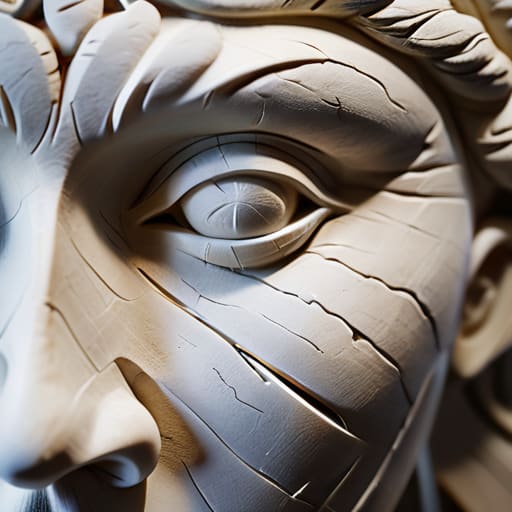
As we’ve wandered through the intricate layers of this craft, from the dramatic shadows cast by high relief to the subtle, poetic whispers of low relief, it becomes clear that stone carving is so much more than just shaping a material. Whether you are working with the soft, yielding grace of limestone or the stubborn, majestic elegance of marble, you are engaging in a dialogue with time itself. We’ve explored how the choice of medium and the depth of the cut can completely transform a narrative, turning a simple slab of rock into a living testament of human emotion and artistry. Understanding these nuances is the first step toward truly mastering the medium and ensuring your vision survives the test of the ages.
At the end of the day, I hope you see that every chip of stone removed is an opportunity to reveal something beautiful that was already waiting to be found. Just like one of my old, rusted skeleton keys, a piece of raw stone might look forgotten or unremarkable at first glance, but with a bit of soulful intention and a steady hand, it can unlock a world of wonder. Don’t be afraid to make that first mark or embrace the imperfections that make a piece uniquely yours. Go forth, pick up your tools, and start carving your own story into the world—I can’t wait to see what you bring to life.
Frequently Asked Questions
How do I know if a particular piece of stone is too fragile for a relief project, or if it's sturdy enough to hold those intricate, delicate details?
The “Tap and Listen” Test: I always start with a gentle tap using a small mallet. A solid, resonant ring usually means the stone is healthy and ready for detail. But if you hear a dull, hollow thud? That’s the stone whispering a warning about internal fractures or hidden voids. I also love running my fingers along the grain; if it feels crumbly or “sugary,” it might lack the strength needed for those delicate, intricate flourishes we love.
If I'm working with a piece I found at an antique shop or a local estate, what’s the best way to clean it without accidentally scrubbing away the history etched into the surface?
Oh, I’ve been there more times than I can count! When you find a treasure at an estate sale, the temptation to make it “sparkle” is huge, but please, resist the urge to scrub! I always start with a soft-bristled brush and just a bit of distilled water. Think of it like dusting an old family photo; you want to lift the grime, not strip the patina. That weathered texture is the piece’s heartbeat.
For someone just starting out, what are the must-have tools to begin experimenting with relief carving without feeling completely overwhelmed by the technical side?
Don’t let the sheer amount of specialized gear intimidate you! Think of it like restoring an old bicycle; you don’t need every wrench in the shop to get moving. Start with a solid set of tungsten carbide chisels and a reliable mallet. I also swear by a few different shapes of rifflers to reach those tricky nooks. Just grab the essentials, keep your workspace organized, and let your hands find the rhythm.