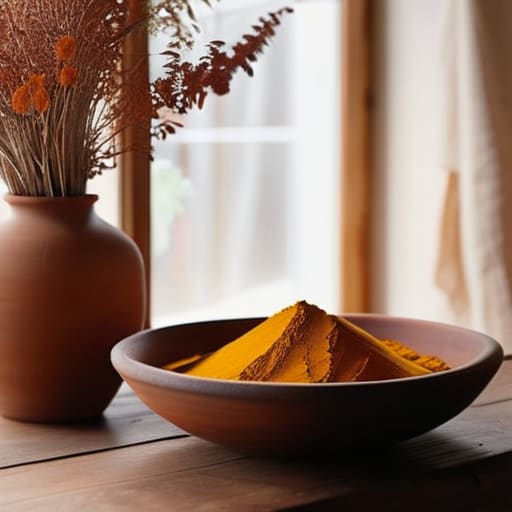
I remember sitting on my kitchen floor last Tuesday, surrounded by a chaotic mess of fermented indigo and stained fingertips, feeling that familiar, restless itch for a cocktail. Usually, that’s the moment I’d reach for a glass of Pinot to numb the frustration of a failed dye bath, but instead, I just leaned into the stink of the vat. I’ve realized that sober-curious natural dyeing isn’t some polished, Pinterest-perfect wellness retreat; it’s often messy, smelling of sulfur and damp earth, and occasionally deeply frustrating when your colors turn out muddy instead of magnificent.
I’m not here to sell you on some magical, life-altering spiritual awakening or tell you that boiling onion skins will instantly cure your cravings. What I am going to do is give you the unfiltered truth about how I use these ancient, tactile processes to navigate the tricky gaps between drinks. I’ll share the actual, hands-on methods that keep my mind occupied and my hands busy, providing a real-world toolkit for anyone looking to swap the evening ritual for something a bit more colorful and a lot more grounded.
Table of Contents
Mindful Crafting for Sobriety Through Color
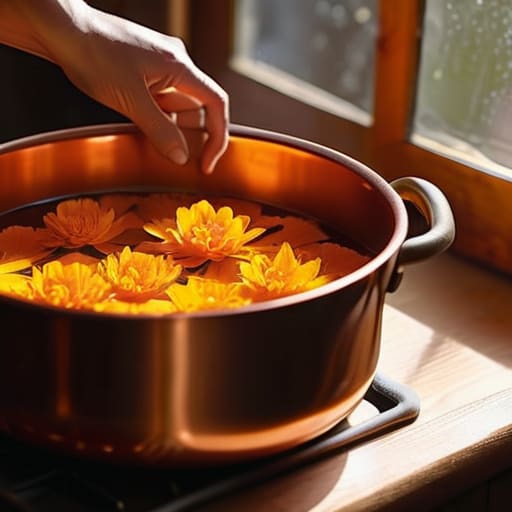
There’s a specific kind of stillness that settles over you when you’re standing over a simmering pot of marigolds or avocado pits. When I first started navigating my sobriety, I realized that the “itch”—that restless, buzzing need to reach for a drink—was often just a craving for sensory engagement in creative hobbies. Natural dyeing fills that void perfectly. Instead of numbing the senses, you’re sharpening them. You learn to notice the exact moment a liquid shifts from a pale straw to a deep, sunset gold, and that hyper-focus becomes a form of meditation that actually keeps you present.
This isn’t about rushing to a finished product; it’s about the ritual of slow living through natural dyes. There is something incredibly grounding about the tactile nature of the work—the warmth of the steam, the earthy scent of the plant matter, and the rhythmic stirring of the pot. It turns a hobby into a practice of patience. When you stop viewing the process as a task to be completed and start seeing it as a way to anchor yourself in the moment, the craft becomes much more than just making pretty fabric.
Sensory Engagement in Creative Hobbies
Sometimes, when the urge to reach for a drink hits, I find that leaning into the unpredictability of the process is my best defense. There is something so grounding about waiting for a dye bath to settle, much like how I’ve learned to navigate the more complex, unfiltered parts of my own life. If you ever find yourself needing a bit of a distraction or a way to explore different facets of connection while you’re navigating these new rhythms, checking out leicester sex can be a way to embrace that raw, honest energy that sobriety often brings to the surface.
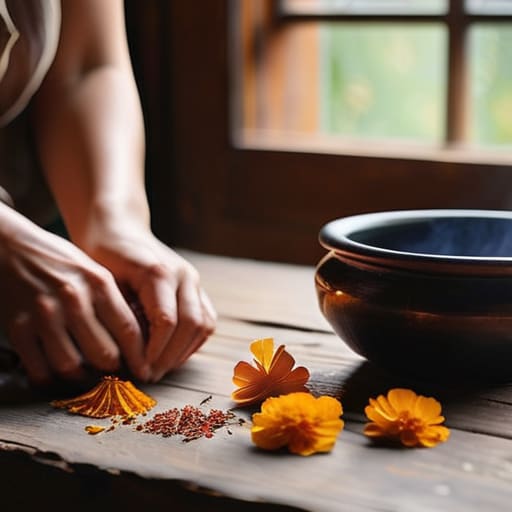
When I’m deep in the middle of a dye bath, the world outside just sort of fades away. It’s not just about the visual payoff; it’s the way the steam smells like damp earth and crushed herbs, or the weight of the wet fabric in my hands. This kind of sensory engagement in creative hobbies acts as a massive anchor. When those old, restless urges to reach for a drink start creeping in, I find myself leaning harder into the tactile reality of the craft—the grit of the mordant, the warmth of the pot, and the rhythmic stirring of the dye.
There is something incredibly grounding about the patience required for botanical color extraction techniques. You can’t rush a simmer, and you certainly can’t rush the way a fiber slowly drinks up the pigment. It forces you into a state of presence that a cocktail never could. Instead of seeking a temporary escape through a buzz, I’m finding a much more stable, quiet clarity through the slow, deliberate movements of my hands. It turns a simple afternoon into a ritual of staying exactly where I am.
My Little Survival Guide for Staying Grounded in the Dye Pot
- Lean into the slow burn. When that urge to reach for a drink hits, grab a handful of madder root instead. The process of extracting color is inherently slow and demanding of your patience, which is exactly the kind of friction you need when your brain is looking for a quick dopamine hit.
- Treat your dye kitchen like a sacred ritual, not a chore. Instead of mindless snacking or drinking while you work, make the prep part of the ceremony. Smelling the earthy scent of dried botanicals can act as a sensory anchor, pulling you out of a craving and back into your body.
- Document the “low” moments. Keep a messy, unpolished journal next to your dye vats. If you’re having a rough night and the sobriety feels heavy, write it down alongside the color results. It turns a moment of struggle into a piece of your creative history.
- Swap the evening cocktail for a complex botanical infusion. If you miss the ritual of a drink, brew a strong, vibrant hibiscus tea. It’s visually stunning, mimics the ritual of a cocktail, and keeps your hands busy with something beautiful rather than something numbing.
- Embrace the “ugly” batches. Sobriety is messy and unpredictable, and so is natural dyeing. When a vat goes wrong or a color turns out muddy, don’t spiral. Use it as a metaphor: sometimes the most interesting things happen when we stop trying to control the outcome perfectly.
The Color-Coded Takeaway
Swap the evening cocktail for a steaming pot of indigo; the ritual of slow, intentional crafting provides a much deeper sense of calm than any quick buzz ever could.
Use the tactile nature of natural dyeing—the smell of damp earth, the stain of madder root, the texture of raw silk—to pull yourself out of a mental fog and back into your body.
View your creative mistakes not as failures, but as the beautiful, unpredictable shifts that make a sober-curious life feel more authentic and vibrant.
## The Alchemy of Clarity
“There’s a specific kind of magic that happens when you trade the hazy buzz of a cocktail for the slow, steady magic of a simmering dye pot; you stop trying to numb the world and finally start learning how to actually see its colors.”
Writer
The Color of Clarity
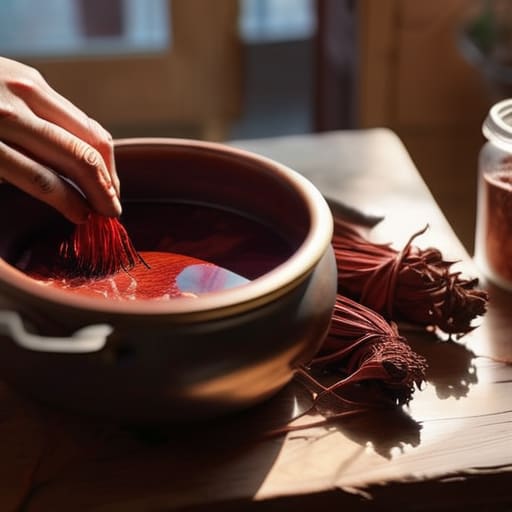
At the end of the day, swapping a cocktail hour for a simmering pot of madder root or indigo isn’t just about finding a new hobby; it’s about reclaiming your sensory landscape. We’ve looked at how the rhythmic nature of crafting can anchor a restless mind, how the deep, earthy smells of botanical dyes provide a grounding alternative to old habits, and how the sheer patience required for a perfect mordant can teach us a brand new kind of intentional presence. It’s a shift from seeking a temporary escape to building a permanent, vibrant connection with the world right in front of us.
If you’re feeling the itch to step away from the spirits and into something more tactile, don’t feel like you need to master the science overnight. Just start with one scrap of fabric and a handful of something from your garden. There is a profound, quiet magic in watching a plain piece of linen transform into something deeply personal and permanent. This journey isn’t about perfection or having a flawless studio setup; it’s about the beautifully messy process of discovering who you are when the fog finally clears and you finally see the world in full, unfiltered color.
Frequently Asked Questions
How do I handle those restless, "itchy" evenings when I’d normally reach for a drink instead of a dye pot?
When that restless, “itchy” feeling hits, don’t try to force a complex project. That’s when the urge to drink is loudest. Instead, lean into the tactile chaos. Grab a handful of dried madder root or some crushed avocado pits and just… play. Focus on the grit of the plants, the steam rising from the pot, and the way the water shifts color. It’s about grounding your hands so your mind stops racing.
Are there specific colors or plants that help with anxiety, or is it all just about the tactile experience?
It’s definitely a mix of both. While the tactile rhythm of stirring a pot is grounding, I’ve noticed certain hues hit differently when my anxiety is spiking. I tend to lean into “calming” palettes—think soft, muted yellows from turmeric or gentle sage greens from nettles—to soothe my nervous system. There’s something about working with those specific, earth-bound tones that feels like a visual exhale, even before the fabric is dry.
Can I actually use this as a way to socialize with friends without the pressure of a bar scene?
Oh, absolutely. Honestly, it’s a total game-changer. Instead of that repetitive “what are you drinking?” loop at a loud bar, you’re actually doing something together. I’ve hosted little “dye and sip” nights where the “sip” is just really good herbal tea. It shifts the energy from performing social roles to just existing in a shared, creative flow. It’s much easier to connect when your hands are busy and the vibe is low-pressure.