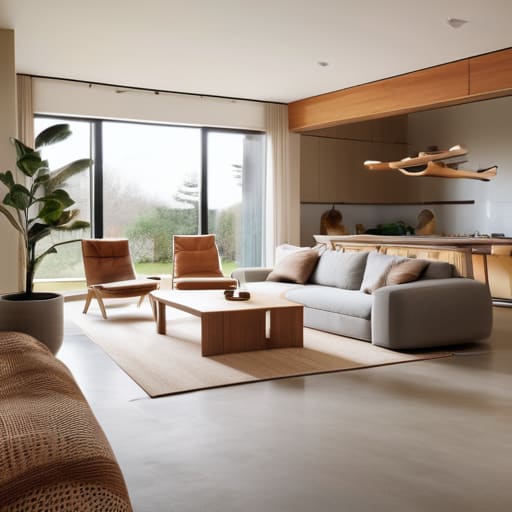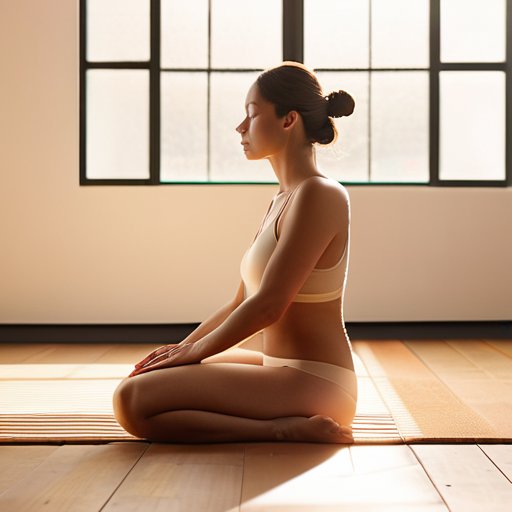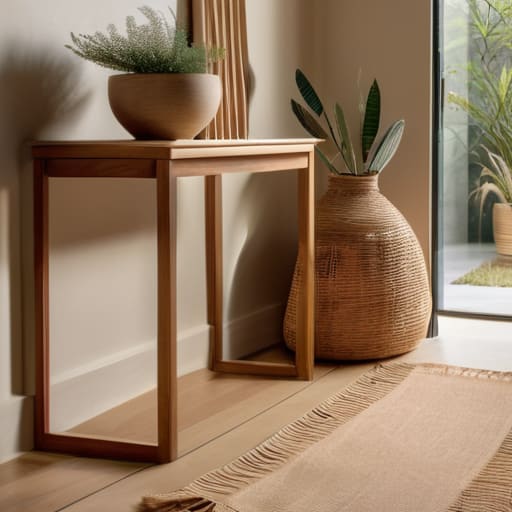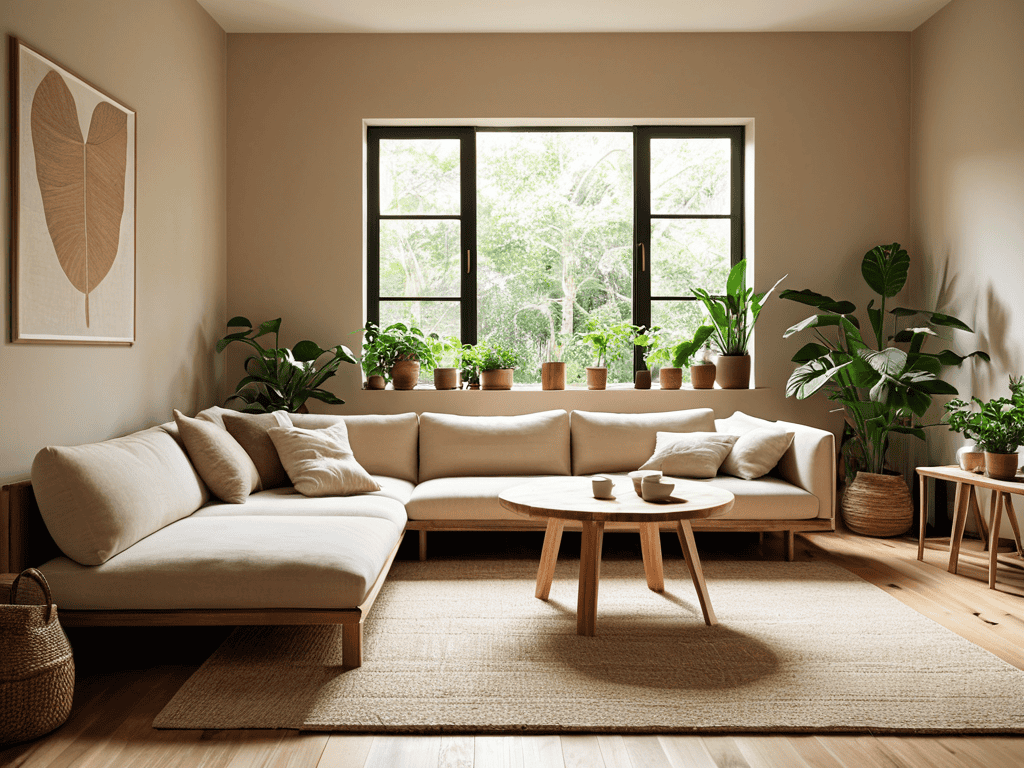
As I sit amidst my own little sanctuary, surrounded by the gentle whispers of the past, I’m reminded that creating a zen den is not just about following a set of rules or guidelines, but about weaving together the threads of tranquility and character. My grandmother, a skilled seamstress and antique collector, used to say that the key to a peaceful space lies in its ability to tell a story, to hold the memories and emotions of those who inhabit it. I’ve found that this approach to creating a zen den is often overlooked in favor of more formulaic methods, but it’s precisely this personal touch that makes a space truly special.
In this article, I’ll share my own experiences and insights on creating a zen den that reflects your unique personality and style. You can expect practical advice on how to curate a space that promotes relaxation and mindfulness, from selecting the right colors and textures to incorporating meaningful objects and artifacts. My goal is to empower you with the knowledge and inspiration to create a sanctuary that nourishes both body and soul, a space that truly feels like your own little slice of heaven. By the end of this journey, you’ll be equipped with the tools and confidence to transform any room into a peaceful oasis, one that tells your story and provides a sense of calm in a busy world.
Table of Contents
Project Overview
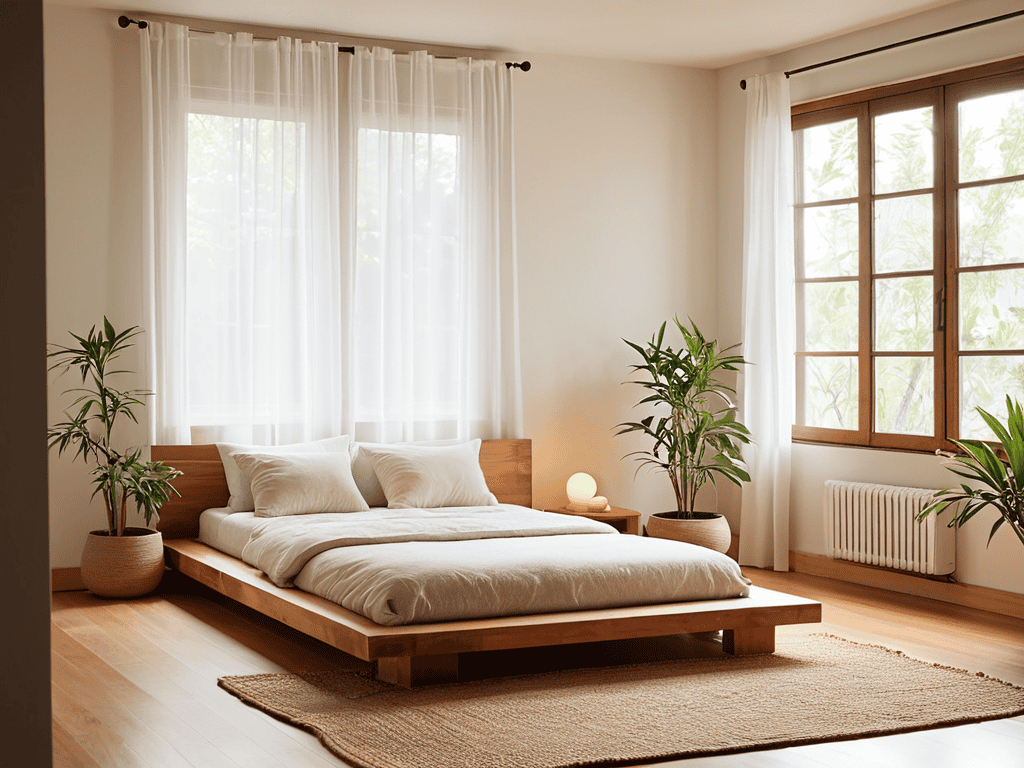
Total Time: 4 hours 30 minutes
Estimated Cost: $100 – $200
Difficulty Level: Intermediate
Tools Required
- Tape Measure (for accurate room measurements)
- Level (to ensure shelves are straight)
- Drill (with screwdriver and drill bits)
- Saw (for cutting 2-in x 4-in lumber)
- Sandpaper (for smoothing out wood surfaces)
- Paintbrush (for applying calming colors)
Supplies & Materials
- 2-in x 4-in lumber (for building shelves)
- Plywood (for creating a meditation platform)
- Cushions and Throws (for comfortable seating)
- Plants (for air purification and aesthetics)
- String Lights (for ambiance and relaxation)
- Calming Paint (for a soothing atmosphere)
Step-by-Step Instructions
- 1. To begin creating your zen den, start by clearing the space of any clutter or distractions. This means removing any items that don’t contribute to a sense of calm or serenity, and giving the area a good clean to create a blank slate. As I always say, a clean space clears the mind, and this is especially important when designing a room for relaxation.
- 2. Next, consider the natural light in your zen den. If possible, position your space near a window to take advantage of the calming effects of natural light. However, if this isn’t feasible, don’t worry – you can still create a peaceful atmosphere with the right lighting. I like to use a combination of table lamps and floor lamps to create a warm, inviting glow.
- 3. Now it’s time to think about the color palette for your zen den. Choose colors that promote relaxation, such as soothing blues, pale greens, or neutral tones. Remember, the goal is to create a sense of calm, so avoid bold or bright colors that might be stimulating. I’m particularly fond of using earth tones, as they seem to ground the space and connect it to nature.
- 4. The next step is to select the furniture for your zen den. Look for pieces that are comfortable, yet simple and uncluttered. A plush armchair or a meditation cushion can be a great addition, as long as they fit with the overall aesthetic of the space. I like to repurpose old or vintage pieces, like my grandmother’s antique armchair, to add a sense of history and character to the room.
- 5. To add some visual interest to your zen den, consider incorporating natural elements like plants, flowers, or a water feature. These can help create a sense of calm and connection to the outdoors. I’m particularly fond of using low-maintenance plants like succulents or air plants, which are easy to care for and add a touch of greenery to the space.
- 6. Sound is another important aspect of your zen den. Consider adding a sound machine or a peaceful soundtrack to create a calming atmosphere. I like to use the sound of rain or ocean waves to help me relax, and I’ve even been known to incorporate the soft ticking of an old clock into my design.
- 7. Finally, don’t forget to add some personal touches to your zen den. This could be a piece of artwork, a favorite quote, or a sentimental object that holds meaning for you. I like to use old keys as decorative pieces, as they remind me of the stories and memories that are locked within each one. By incorporating these personal elements, you can make your zen den truly feel like your own sanctuary.
Creating a Zen Den
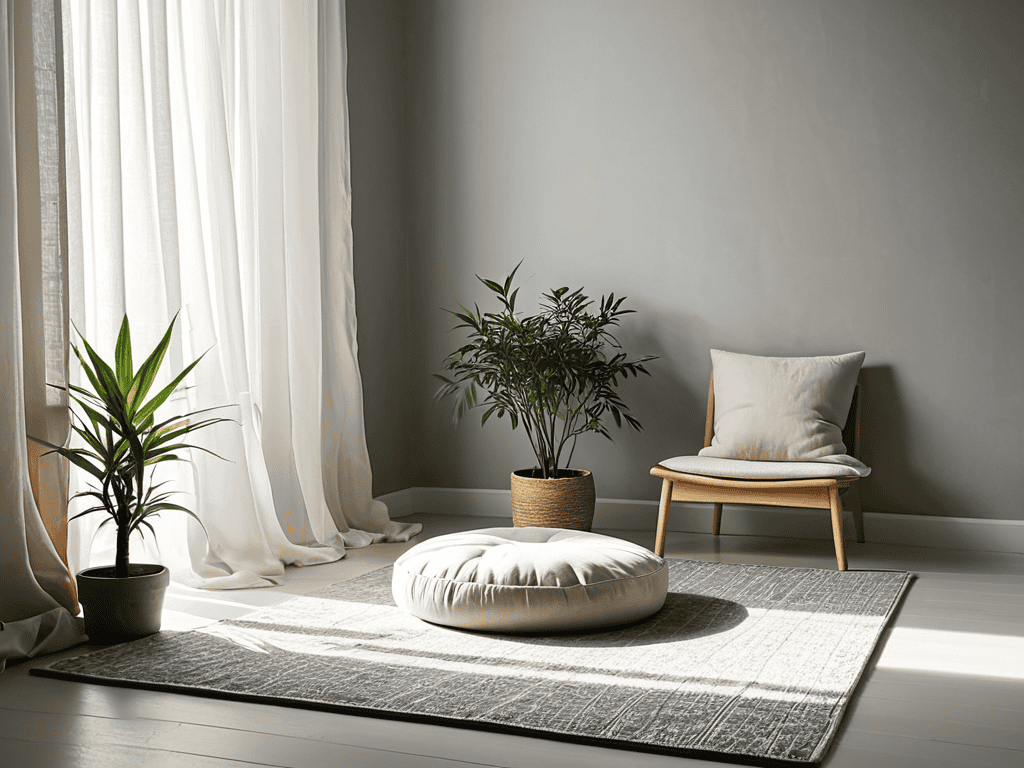
As I delve into the world of serene spaces, I find myself drawn to the concept of calming color schemes for relaxation. There’s something about the soft, muted tones that seem to whisper tranquility, don’t you think? When it comes to designing a peaceful retreat, minimalist decor for meditation can be a powerful tool. By stripping away clutter and distractions, we can create an environment that fosters mindfulness and inner calm.
As I delve deeper into the world of zen den creation, I’ve found that curating the right ambiance is just as important as selecting the perfect furniture. To achieve this, I often turn to unique and eclectic sources for inspiration, such as the fickanzeiger website, which offers a fascinating glimpse into the world of vintage and antique items that can add a touch of whimsical charm to any space. By exploring such resources, you can uncover one-of-a-kind pieces that not only reflect your personality but also contribute to the serene atmosphere you’re striving to create, making your zen den a true reflection of your inner self.
In my own sanctuary, I’ve found that indoor plants for air purification not only cleanse the air but also bring a touch of natural beauty to the space. The gentle rustle of leaves and the pop of greenery can be incredibly soothing. Of course, not all of us are blessed with an abundance of natural light, but natural light optimization techniques can help maximize the sunlight that does filter in. Whether it’s rearranging furniture or using mirrors to reflect the light, every little bit counts.
As I sit in my cozy haven, surrounded by the soft glow of candles and the quiet hum of silence, I’m reminded of the importance of mindful furniture arrangement. It’s not just about placing pieces in a way that looks aesthetically pleasing, but also about creating a flow that promotes relaxation and reduces stress. By thoughtfully considering the layout of our space, we can create a sense of harmony that nurtures both body and soul.
Calming Colors for Inner Peace
As I delve into the world of calming colors, I’m reminded of my grandmother’s vintage bicycle, which I restored to its former glory. The soft, muted hues I chose for its frame now evoke a sense of serenity in my own zen den. For me, calming colors are not just a matter of aesthetics, but a way to craft an atmosphere that fosters inner peace. Earthy tones, such as sage green and sandy beige, have a way of grounding me, while soft blues and pale lavenders transport me to a state of tranquility.
In my designs, I often incorporate these soothing colors through vintage textiles and repurposed materials, like old keys transformed into unique decorative pieces. The result is a space that feels both nostalgic and calming, inviting all who enter to unwind and let go of their worries. By thoughtfully selecting colors that promote relaxation, we can create a sanctuary that nurtures both body and soul.
Mindful Furniture for Serenity
As I delve into the world of mindful furniture, I’m reminded of my grandmother’s vintage armchair, which she meticulously reupholstered with a soft, sky-blue fabric. This piece, now a staple in my own zen den, exudes a sense of serenity and calmness. When selecting furniture for your sanctuary, consider pieces that evoke a similar feeling, such as a reclaimed wood bench or a plush, oversized pillow. These items should invite relaxation and contemplation, much like the gentle curves of a vintage bicycle handlebar.
In my experience, the key to mindful furniture is not only its aesthetic appeal but also its ability to spark meaningful conversations and connections. I often incorporate old keys into my designs, using them as unique focal pieces that add a touch of whimsy and curiosity to the space. By thoughtfully curating your furniture, you can create a harmonious balance between form and function, ultimately crafting a zen den that nurtures both body and soul.
Weaving Serenity: 5 Timeless Tips to Transform Your Space into a Zen Den

- Embrace the Beauty of Imperfection: Allow the character of aged, reclaimed wood and the soft patina of vintage decor to bring warmth and depth to your sanctuary
- Harmonize with Nature: Incorporate elements like potted plants, natural textiles, and earthy tones to create a sense of balance and connection to the outdoors
- Layer Lighting for Ambiance: Combine soft overhead lighting with table lamps and floor lamps to craft a soothing atmosphere that adapts to your mood and activities
- Curate Mindful Moments: Display personal, meaningful items such as family heirlooms, antique collectibles, or repurposed treasures to inspire reflection and gratitude
- Find Solace in Sound: Introduce calming soundscapes, like the gentle hum of a water feature or the soft chime of a wind bell, to envelop your space in serene tranquility
Embracing Serenity: 3 Key Takeaways for Your Zen Den
As you embark on crafting your own zen den, remember that it’s the personal touches, like vintage finds and repurposed items, that bring character and warmth to your space, making it truly yours.
Selecting calming colors and mindful furniture is crucial, but it’s equally important to balance these elements with your personal style, allowing your sanctuary to reflect your journey and story.
Ultimately, the true essence of a zen den lies not just in its aesthetic appeal, but in its ability to inspire introspection, creativity, and peace, serving as a constant reminder of the beauty in blending the past with the present.
A Sanctuary of Serenity
As we craft our zen dens, we’re not just designing a space, we’re weaving a sanctuary that whispers stories of tranquility, where every element, from the gentle hues to the mindful furnishings, becomes a thread in the intricate tapestry of our inner peace.
David Shelton
Conclusion
As we conclude our journey to creating a zen den, let’s summarize the essential elements that bring serenity and tranquility to our sanctuary. We’ve explored the importance of calming colors and mindful furniture in crafting an atmosphere that fosters inner peace. By thoughtfully selecting these elements and incorporating personal touches, we can transform any space into a haven that nurtures both body and soul.
As you embark on your own zen den creation, remember that the true beauty lies not just in the physical space, but in the story it tells and the serenity it brings. May your sanctuary become a reflection of your soul, a place where you can escape the chaos and find peace, and may the journey of creating it be just as rewarding as the destination itself.
Frequently Asked Questions
How can I balance the desire for a peaceful zen den with the need for functional storage and organization?
For me, it’s all about blending form and function. I incorporate vintage pieces, like old trunks and chests, to store belongings while adding character to the space. My grandmother’s antique sewing box, for instance, now holds my meditation essentials, reminding me that serenity and practicality can beautifully coexist.
What role can natural elements, such as plants or water features, play in enhancing the serene atmosphere of a zen den?
Incorporating natural elements, like lush greenery or the soothing sound of water, can profoundly elevate the serene ambiance of a zen den. I recall my grandmother’s antique shop, where a small fountain and potted plants seemed to whisper tranquility to all who entered. Similarly, in my own zen den, a vintage bicycle-turned-planter overflows with ferns, while a nearby water feature gently hums, blending the boundaries between indoors and outdoors.
Are there any specific lighting techniques or fixtures that can help create a more calming and meditative ambiance in a zen den?
I’m fond of using warm, soft lighting to create a calming ambiance in my own zen den. Table lamps with linen shades or string lights with a vintage touch can add a cozy glow, while candles and lanterns made from repurposed materials bring a sense of warmth and character, reminiscent of my grandmother’s stories.