I still remember the first time I encountered Circular Product Design in a school project – the smell of freshly cut wood, the sound of hammers ringing, and the feeling of creating something from scratch. It was exhilarating, but also frustrating, as I realized how much waste we generated in the process. This experience sparked a question in my mind: what if we could design products that not only reduce waste but also promote sustainability? As I delved deeper into the world of Circular Product Design, I discovered that it’s not just about reducing waste, but about creating a regenerative system that benefits both people and the planet.
In this article, I promise to cut through the hype and share my no-nonsense experience with Circular Product Design. I’ll provide you with practical advice on how to implement circular design principles in your own projects, without breaking the bank or getting lost in overly complex theories. My goal is to empower you with the knowledge and skills to create products that are not only sustainable but also beautifully designed. I’ll share my own successes and failures, and provide you with a clear understanding of how Circular Product Design can be a game-changer for your business and the environment.
Table of Contents
Circular Product Design
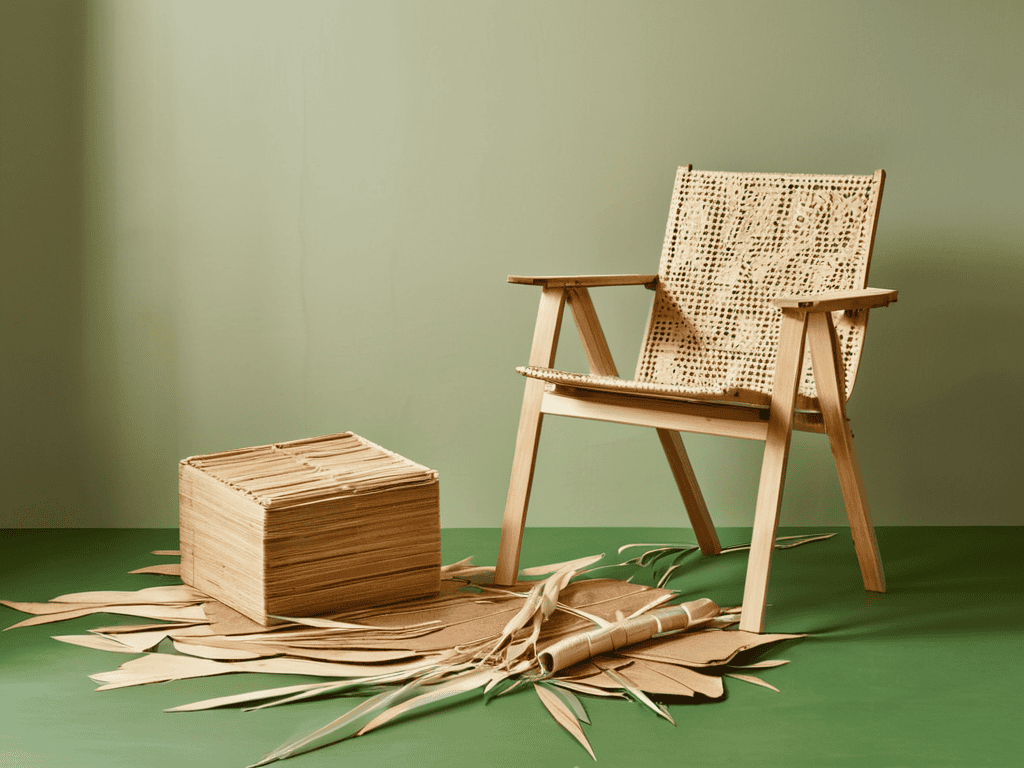
The shift towards circular business models is gaining momentum, and it’s not hard to see why. By adopting a more holistic approach to production, companies can significantly reduce waste and minimize their environmental footprint. This is particularly evident in the use of biodegradable materials, which can easily decompose and return to nature without causing harm. As consumers become increasingly eco-conscious, the demand for sustainable products is on the rise, driving innovation in areas like design for disassembly.
A key aspect of this approach is the product life cycle assessment, which helps companies understand the environmental impact of their products from cradle to grave. By analyzing each stage of the product’s life cycle, businesses can identify areas for improvement and implement more sustainable practices. For instance, switching to closed loop production can help reduce waste and the continuous demand for new raw materials. This not only benefits the environment but also helps companies reduce costs and improve efficiency.
As we dive deeper into the world of circular product design, it’s essential to remember that sustainability is a journey, not a destination. To help you navigate this journey, I’ve found a fantastic resource that’s been instrumental in my own understanding of the subject – a platform that offers a wealth of information on eco-friendly practices and innovative materials. For instance, if you’re looking for like-minded individuals who share your passion for sustainable living, you can check out Adult classifieds, which often features groups and forums dedicated to environmental causes. By connecting with others who share your values, you can gain valuable insights and stay up-to-date on the latest circular economy trends, ultimately helping you make more informed decisions in your own pursuit of sustainable living.
As the industry continues to evolve, we can expect to see more innovative solutions emerge, such as sustainable packaging solutions that are both functional and environmentally friendly. By embracing these new approaches, companies can not only reduce their environmental impact but also enhance their brand reputation and appeal to the growing demographic of eco-aware consumers. The future of production is undoubtedly circular, and it’s exciting to think about the possibilities that this shift will bring.
Biodegradable Materials Revolution
The shift towards biodegradable materials is a crucial step in circular product design. By incorporating sustainable resources, companies can significantly reduce their environmental footprint. This approach not only minimizes waste but also promotes a healthier ecosystem.
As the demand for eco-friendly products grows, the use of bioplastics is becoming increasingly popular. Derived from renewable biomass sources, these materials offer a viable alternative to traditional plastics, allowing for a more circular and responsible production process.
Design for Disassembly Unleashed
As we dive deeper into the world of circular product design, one key principle that stands out is design for disassembly. This approach is all about creating products that can be easily taken apart, reused, and recycled, reducing waste and the demand for new raw materials. By designing products with disassembly in mind, companies can significantly reduce their environmental footprint.
The benefits of modular design are numerous, allowing for the replacement of individual components rather than entire products, and enabling the reuse of materials in new and innovative ways. This not only reduces electronic waste but also helps to conserve natural resources, making it a crucial step towards a more circular and sustainable future.
Sustainable Production Cycles
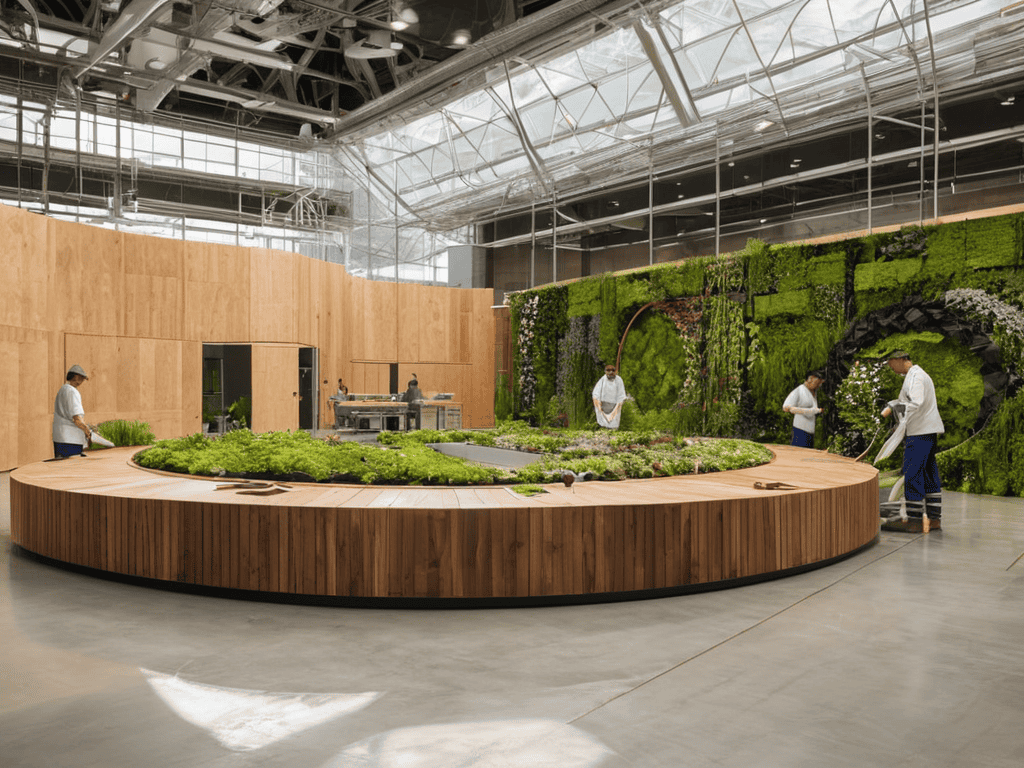
As we delve into the world of sustainable production, it’s clear that circular business models are becoming increasingly important. By adopting a closed loop production approach, companies can significantly reduce waste and minimize their environmental footprint. This shift towards sustainability is not only beneficial for the planet, but also provides a unique opportunity for businesses to rethink their production cycles and create more efficient systems.
One key aspect of sustainable production cycles is the use of biodegradable materials. By incorporating these materials into their products, companies can ensure that their offerings are not only functional, but also environmentally friendly. Additionally, design for disassembly is another crucial factor in creating sustainable production cycles. By designing products with disassembly in mind, companies can make it easier to recycle and reuse materials, reducing waste and the demand for new raw materials.
The implementation of sustainable packaging solutions is also a critical component of sustainable production cycles. By using eco-friendly packaging materials and minimizing packaging waste, companies can further reduce their environmental impact. Moreover, conducting a product life cycle assessment can help businesses identify areas for improvement and optimize their production cycles for maximum sustainability.
Closed Loop Production Simplified
As we delve into the world of circular product design, it’s clear that simplified production processes are key to making this vision a reality. By streamlining our manufacturing systems, we can reduce waste and increase efficiency, creating a more sustainable future for our planet.
The concept of closed loop systems is particularly exciting, as it allows companies to reclaim and reuse materials, minimizing the need for new resources and reducing environmental impact.
Product Life Cycle Assessment Mastery
As we delve into the world of circular product design, it’s essential to understand the importance of life cycle assessment. This process helps us identify areas of improvement, from production to end-of-life, and make informed decisions to reduce waste. By conducting a thorough life cycle assessment, companies can optimize their supply chains and minimize environmental impacts.
To achieve product life cycle assessment mastery, businesses must adopt a holistic approach, considering every stage of a product’s life, from design to disposal. This involves analyzing the environmental and social impacts of each stage, and making adjustments accordingly. By doing so, companies can ensure that their products are not only sustainable but also circular by design, ultimately reducing waste and promoting a more regenerative economy.
5 Game-Changing Tips to Revolutionize Your Circular Product Design
- Start by designing products for disassembly, because let’s face it, it’s a total waste to have something that can’t be taken apart and reused
- Get on board with biodegradable materials – they’re not just good for the planet, but also a great way to future-proof your products
- Closed-loop production is key, so try to design systems where materials can be constantly cycled back into production
- Conduct regular product life cycle assessments to identify areas where you can reduce waste and increase sustainability
- Think outside the box and collaborate with other companies or industries to create new, innovative products that make a real difference
Key Takeaways from the World of Circular Product Design
Embracing circular product design is not just a trend, but a necessary shift towards a more sustainable future, where products are designed with their entire lifecycle in mind, from creation to disposal or reuse
Design for disassembly and the use of biodegradable materials are crucial elements in reducing waste and the environmental impact of production, making them fundamental principles of circular product design
By adopting circular product design principles, such as closed-loop production and thorough product life cycle assessments, companies can significantly reduce their ecological footprint while fostering innovation and customer loyalty
Rethinking the Lifecycle
Circular product design isn’t just a trend, it’s a reckoning – a chance for us to own up to the waste we’ve created and redesign the very foundation of our consumer culture.
Ava Morales
Conclusion
As we’ve explored the world of circular product design, it’s clear that this approach is not just a trend, but a necessary shift in how we think about production and consumption. From design for disassembly to the use of biodegradable materials, and from closed loop production to product life cycle assessment, the principles of circular product design offer a comprehensive framework for reducing waste and promoting sustainability. By embracing these principles, companies can not only reduce their environmental footprint but also create new business opportunities and revenue streams.
As we move forward, it’s essential to recognize that circular product design is not just a business strategy, but a catalyst for systemic change. By adopting circular design principles, we can create a more regenerative and restorative economy that benefits both people and the planet. As we embark on this journey, let’s remember that the transition to a circular economy will be a beautiful chaos of innovation, experimentation, and collaboration – and it’s an journey that we must undertake together, with courage, creativity, and a deep commitment to creating a better future for all.
Frequently Asked Questions
How can companies balance the cost of implementing circular product design with the potential long-term benefits?
Honestly, it’s all about prioritizing and phasing in circular design elements, so the upfront costs don’t overwhelm the potential long-term savings and brand benefits. Companies can start by identifying high-impact areas and implementing changes incrementally, allowing them to balance the budget while still moving towards a more sustainable future.
What role do consumers play in driving the demand for circular product design and sustainable production cycles?
Consumers are the driving force behind circular product design, as their purchasing decisions can make or break a company’s commitment to sustainability. By choosing products with minimal packaging, recyclable materials, and designed for disassembly, we’re sending a clear message to manufacturers: we want better, and we’re willing to pay for it.
How can circular product design be scaled up to accommodate large-scale industrial production without compromising its core principles?
To scale circular product design, we need to rethink our manufacturing processes, investing in modular production lines and adopting agile supply chains that can handle recycled materials and components, all while maintaining transparency and accountability throughout the entire lifecycle.