I remember the first time I was tasked with creating a style guide for a brand. It felt like assembling Ikea furniture without instructions—frustrating, mildly amusing, and ultimately a lesson in humility. Back then, I thought I could wing it. After all, how hard could it be to put a few color codes and font choices on a page? But then came the chaos: mismatched visuals, off-brand messages, the kind of design faux pas that would make any self-respecting graphic designer cringe. I realized that without a coherent style, a brand is like a chameleon on a kaleidoscope—constantly changing, never memorable.
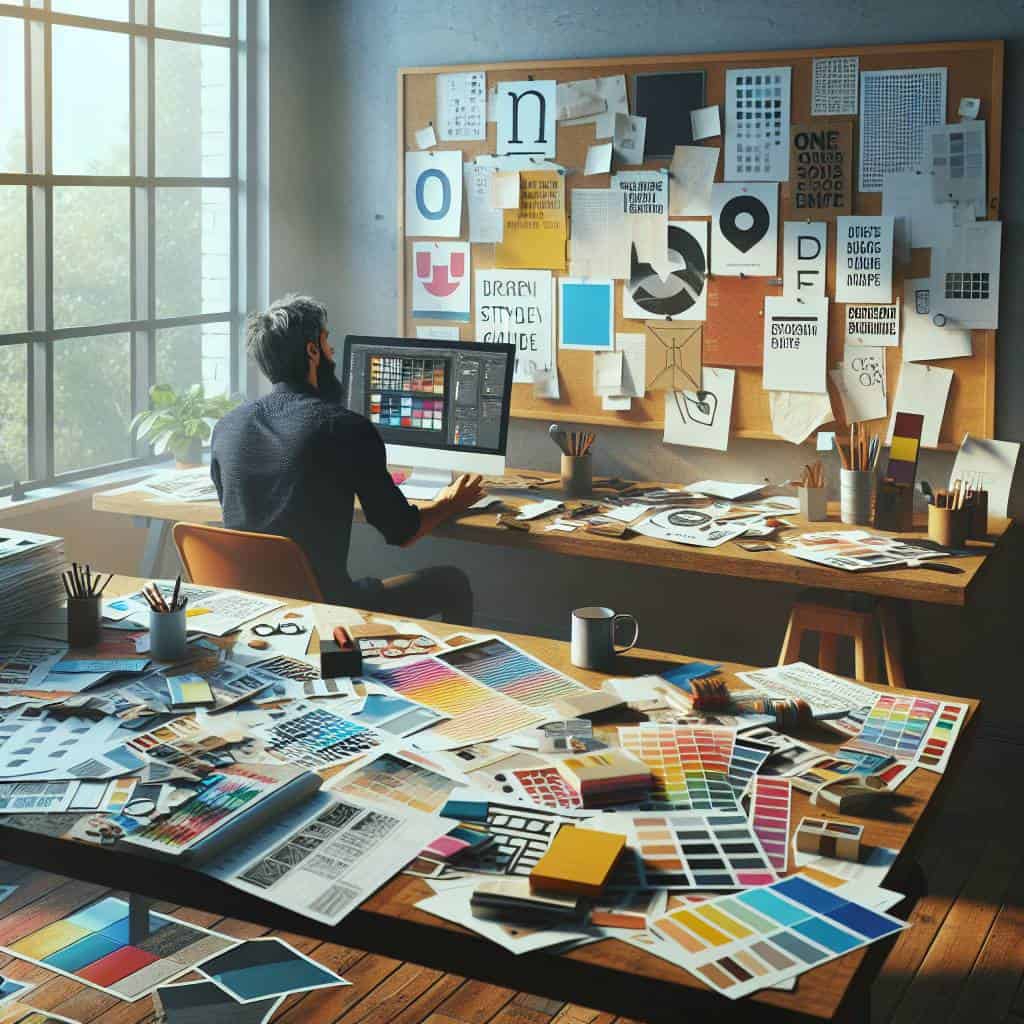
But here’s the thing—I learned, and so can you. In this article, we’re going to peel back the layers of what it means to create a style for your brand. No fluff, no jargon, just the nitty-gritty of guidelines that actually work. We’ll explore why having a manual is essential even if no one reads it, how consistency can save your brand from becoming a design disaster, and why rules, despite their reputation, are your creative allies. So, buckle up, fellow truth-seekers. Let’s dive into the art of crafting a brand style that doesn’t just exist but resonates.
Table of Contents
The Art of Ignoring the Brand Manual (Mostly)
Alright, let’s talk about the unsung hero of creative rebellion: the delicate dance of sidestepping the brand manual. Now, don’t get me wrong—brand guidelines are like the GPS of design, steering us through the chaotic streets of color palettes and typefaces. But sometimes, just sometimes, you’ve got to trust your gut and take that unexpected detour. It’s in these moments of deviation that the true essence of a brand can emerge, like a splash of color on a grayscale canvas. Let’s face it, crafting brand guidelines is like writing a rulebook no one bothers to read—until everything goes hilariously wrong. But here’s the thing: rules are meant to be bent, not broken entirely.
Imagine this scenario: You’re staring at a design brief with a list of dos and don’ts as long as a CVS receipt. It’s enough to make any creative mind scream for mercy. But here’s where the magic happens. By occasionally stepping away from the manual, you allow space for innovation. You might discover a new visual language that resonates more deeply with the audience, or stumble upon a tone of voice that feels more authentic than the prescribed script. The trick is to know when to color outside the lines and when to stick to the script. It’s about balance. A little bit of chaos blended with consistency can spark something extraordinary. So, embrace the art of ignoring the manual—mostly. Because sometimes, the best way to stay true to a brand is to let it breathe beyond the confines of its own rules.
The Unseen Blueprint
Crafting a brand’s style isn’t about dictating rules, but about sketching a canvas where consistency meets creativity—where the guidelines serve as the silent architects of identity.
Embracing the Chaos of Creativity
As I stand back and survey the colorful chaos I’ve helped orchestrate, I can’t help but smile at the irony of it all. We pour our souls into crafting these style guides, these supposed bibles of brand consistency, yet the true magic often happens when we dare to dance on the edges of those very guidelines. It’s in those moments of rule-bending, where the unexpected flourishes, that a brand truly speaks with authenticity. It’s like jazz—structured yet improvisational—a symphony where each note is a brushstroke in the painting of identity.
In the end, maybe it’s not about rigid adherence to the manual or the perfection of each pixel. Maybe it’s about understanding that a brand’s style is an evolving narrative, a living thing that breathes and grows. It’s a canvas, yes, but one that welcomes a splash of spontaneity, a dash of the unexpected. Because let’s be honest, the world doesn’t need another carbon copy. It yearns for the distinct echo of a brand daring to be a little bit wild, a little bit unpredictable. And as we embrace the beautiful mess of creativity, we find ourselves not just following a guide, but writing our own stories, one delightful brushstroke at a time.