I remember the first time I picked up a camera, full of misguided confidence and zero clue. My early portraits? A tragic blend of my best friend’s awkward grin and the kind of lighting that would make even a supermodel look like an extra in a horror film. Let’s just say, if the Mona Lisa had been shot by me back then, she’d probably end up looking like a meme. But hey, every misstep is a step towards not sucking, right? And there’s nothing quite like the sting of embarrassment to light a fire under you to get better.
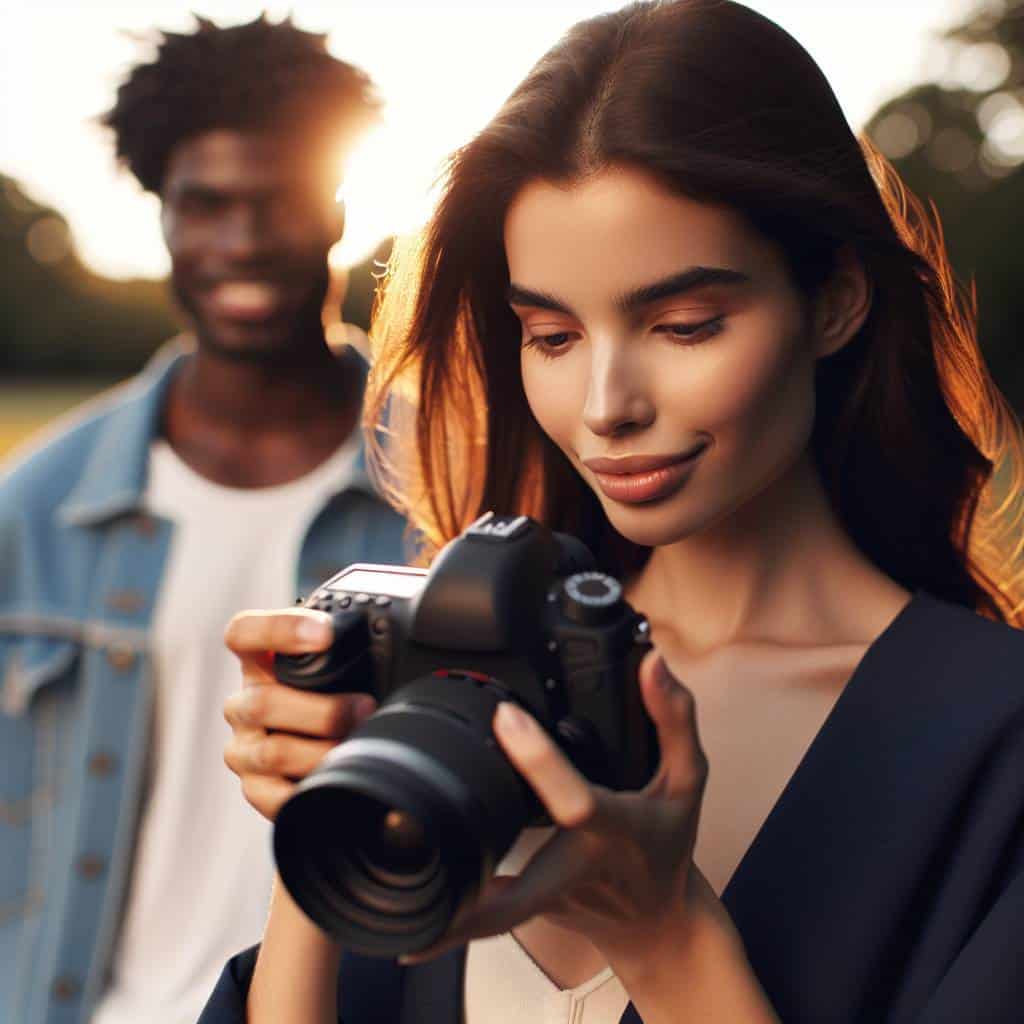
So, what’s in it for you? A no-nonsense dive into the nitty-gritty of shooting portraits that won’t make you cringe in five years. We’ll strip away the fluff and get real about lighting that doesn’t turn your subjects into underwhelming specters, posing tips that transcend the banal ‘say cheese’ moments, and lens choices that actually matter. Editing, oh yes, the digital facelift every photo needs—I’ll break it down so you can elevate your work from amateur hour to something that makes people stop and stare. Let’s turn your portrait game around, detail by painstaking detail, because the world needs fewer awkward grins and more moments of genuine awe.
Table of Contents
How I Learned to Stop Worrying and Love the Lens
It all started with a misguided attempt to capture my friend’s soul through a camera. I thought I was a genius, pointing my camera aimlessly, hoping to stumble upon an enigmatic masterpiece. But instead, I ended up with a collection of images that looked like they belonged in a dimly-lit horror film. It was then that I realized: the lens isn’t just a tool; it’s an accomplice in the art of storytelling. The moment I understood this, everything changed. I stopped seeing the camera as an intimidating, mechanical beast and started appreciating it as an extension of my artistic vision. The lens is your eye to the world, capturing fleeting moments with precision and depth, and learning to love it means embracing its quirks and nuances.
Lighting, I learned, is the mischievous cousin of the lens. It can either elevate your work to celestial heights or drag it down into the pits of mediocrity. My breakthrough came when I stopped relying on the default, flat lighting that screamed ‘amateur hour’ and started experimenting with shadows, natural light, and unconventional sources. I found that even the most mundane setup could morph into an evocative scene with the right illumination. And posing—that’s where the alchemy happens. It’s not about instructing your subject like a puppet but about creating a space where they can reveal their genuine selves. Once I mastered these elements, editing became the final brushstroke on the canvas, not a desperate attempt to salvage a bad shot. Embrace the chaos, let the lens lead, and you’ll find your portraits telling stories you never imagined.
Illuminate the Unseen
True portraiture isn’t about perfect lighting or the latest lens. It’s about capturing the chaos beneath the calm, where shadows tell more stories than the light ever could.
The Light at the End of the Lens
In the chaotic dance of aperture and shutter speed, I’ve found not just a profession, but a calling. My journey with the lens has been nothing short of a rebellious odyssey—one that refuses to settle for mediocrity. The glint of light bouncing off a subject’s eye isn’t just a technical triumph; it’s a whisper of the universe’s artistry captured in a frame. But let’s be real, it’s not all sunshine and perfect exposures. My gallery of near-misses and overexposed blunders stands testament to the fact that growth rides on the coattails of failure.
There’s a raw, gritty beauty in the process of creation—a beauty that’s often masked by the over-polished veneer of digital perfection. Editing is where I flirt with the boundaries of reality, where the mundane transforms into the extraordinary, and where every pixel counts. Each click of the mouse is an act of rebellion against the ordinary. And that, dear reader, is the essence of my craft. It’s about seeing the world not just as it is, but as it could be—with every shadow, every highlight, and every seemingly insignificant detail contributing to the narrative. So, here’s to embracing the imperfections, to questioning the status quo, and to always chasing the perfect shot, even if the pursuit is where the true artistry lies.