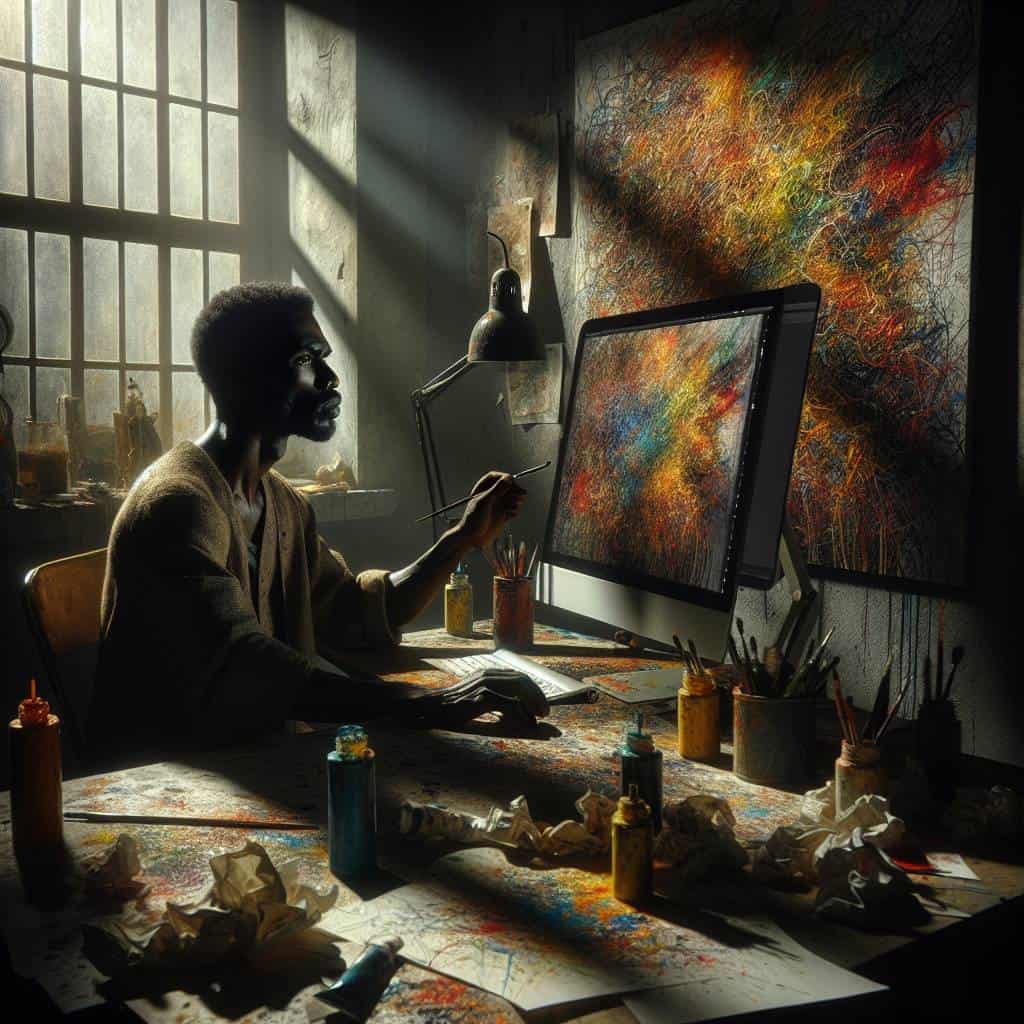
I once received feedback so sugar-coated it could give you cavities. “Eva, your design is… interesting,” they said, with that pause only meant to cushion the blow. We all know what “interesting” really means—it’s the polite way of saying, “This is not working.” But let’s be real, the intention behind feedback, wrapped in layers of niceties or not, often misses the mark. It’s like trying to write with a pen that’s run out of ink; there’s effort, but nothing tangible to show for it. My experiences in the creative trenches of the metropolis have taught me one unshakeable truth: feedback, when done right, is less about appeasing egos and more about igniting a spark of genuine improvement.

In this article, we’ll peel back the layers of what it means to give and receive feedback that actually matters. Forget the feedback sandwiches that leave you hungry for real insight. We’ll talk about how to sift through the noise and find critique that sharpens skills instead of dulling spirits. Expect to dive into the art of communication that transcends the mundane, touching on how constructive criticism can be a tool for elevating your work, not a weapon to conform it. So, buckle up, because we’re about to navigate the delicate dance of critique with the precision of a seasoned designer.
Table of Contents
The Art of Not Taking It Personally: My Journey Through Constructive Critique
There I was, a fledgling designer with stars in my eyes and a portfolio packed like a suitcase on the brink of vacation. I thought I was ready to take on the world, or at least the gritty jungle of the creative industry. Enter stage left: the dreaded critique session. Like many, I initially confused criticism with a personal attack—a misguided missile aimed squarely at my self-worth. My early encounters with feedback were akin to standing in a hurricane without an umbrella. I had to learn, and fast, that not every gust was meant to knock me off my feet. Some were meant to redirect my sails.
Over time, I realized that the art of not taking it personally is about tuning in to the symphony of feedback and finding the notes that resonate. It’s about recognizing that critique is a nuanced conversation, not a monologue of doom. The key? Distilling the essence of what’s being said without drowning in the noise—separating the gold from the gravel. It became clear that the real power lies in turning critique into a compass, guiding my journey of improvement. Now, when feedback comes my way, I don’t hunker down in defensive mode. I lean in, sift through the suggestions, and let them refine my vision. It’s a dance, really, between staying true to my creative core and embracing the wisdom of others.
In this journey, I’ve learned to view feedback as a collaborative tool—a chance to polish the rough edges and let my work shine brighter. Communication is the brushstroke that adds depth to this process. It’s not about creating to please everyone; it’s about crafting something authentic and letting critique be the chisel that sculpts it. So here’s to the art of not taking it personally, a skill that doesn’t just benefit your work but transforms how you interact with the world. Embrace the critique, not as a verdict, but as an invitation to grow. And remember, every masterpiece starts with a raw, unrefined idea just waiting to be shaped.
The Art of Real Feedback
True critique isn’t about molding others into your image but unveiling the unseen layers in their work that even they can’t see.
Embracing the Dance of Critique
In the end, navigating the world of feedback is like mastering a complex dance. Each step—whether a graceful glide or a clumsy stumble—adds depth to the choreography of my creativity. I’ve come to see constructive criticism not as a mirror reflecting my flaws, but as a prism illuminating new dimensions of my work. It’s a process of stripping away the unnecessary, revealing a raw, unvarnished truth that fuels my passion. And yes, sometimes it stings—like a splash of cold water on a winter morning—but it also awakens my senses to the possibilities lurking in the shadows.
Ultimately, giving and receiving feedback is an art unto itself, a delicate balance of vulnerability and resilience. I’ve learned to embrace the dialogue, to lean into the discomfort, and to find beauty in the unexpected insights that emerge. It’s a journey of perpetual discovery, a reminder that the world is filled with infinite layers waiting to be explored. So here’s to the dance, to the rhythm of critique that challenges the ordinary and invites us to see the unseen elegance that lies beneath the surface.