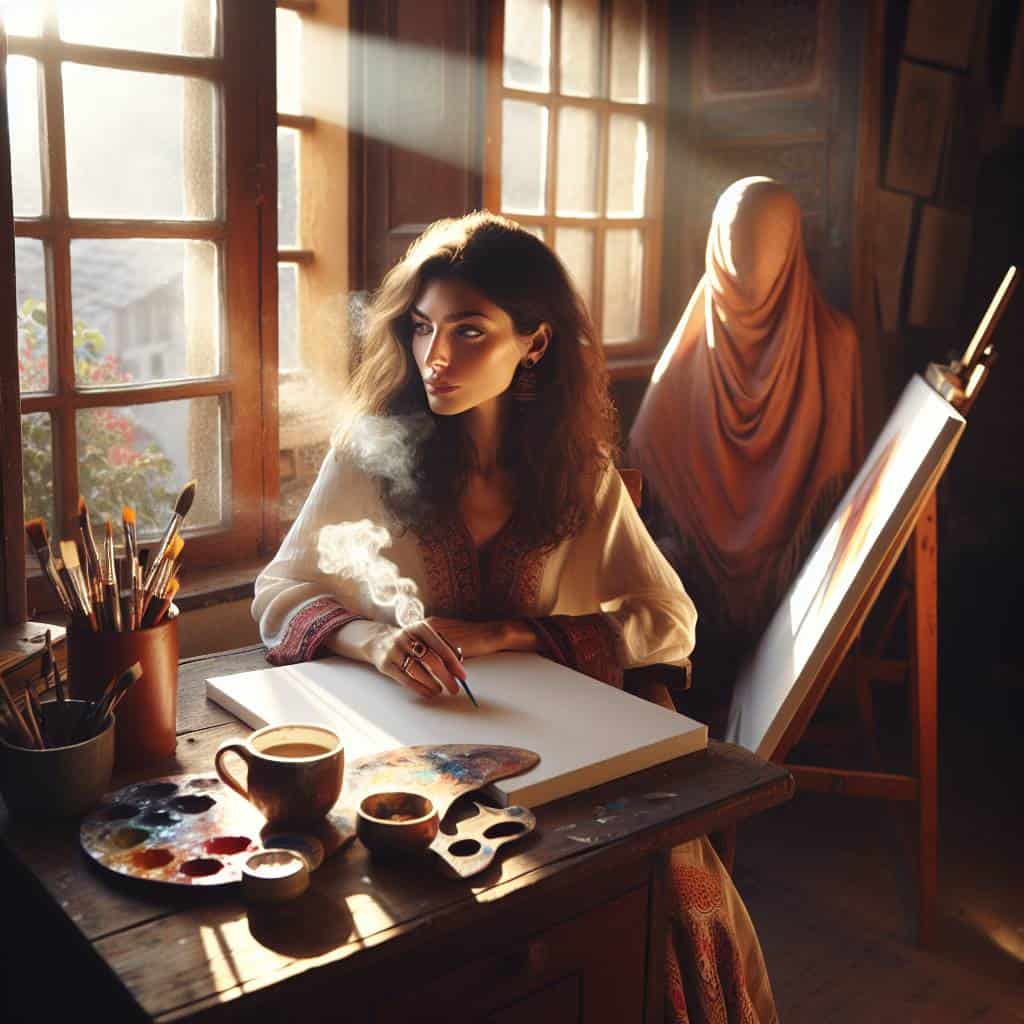
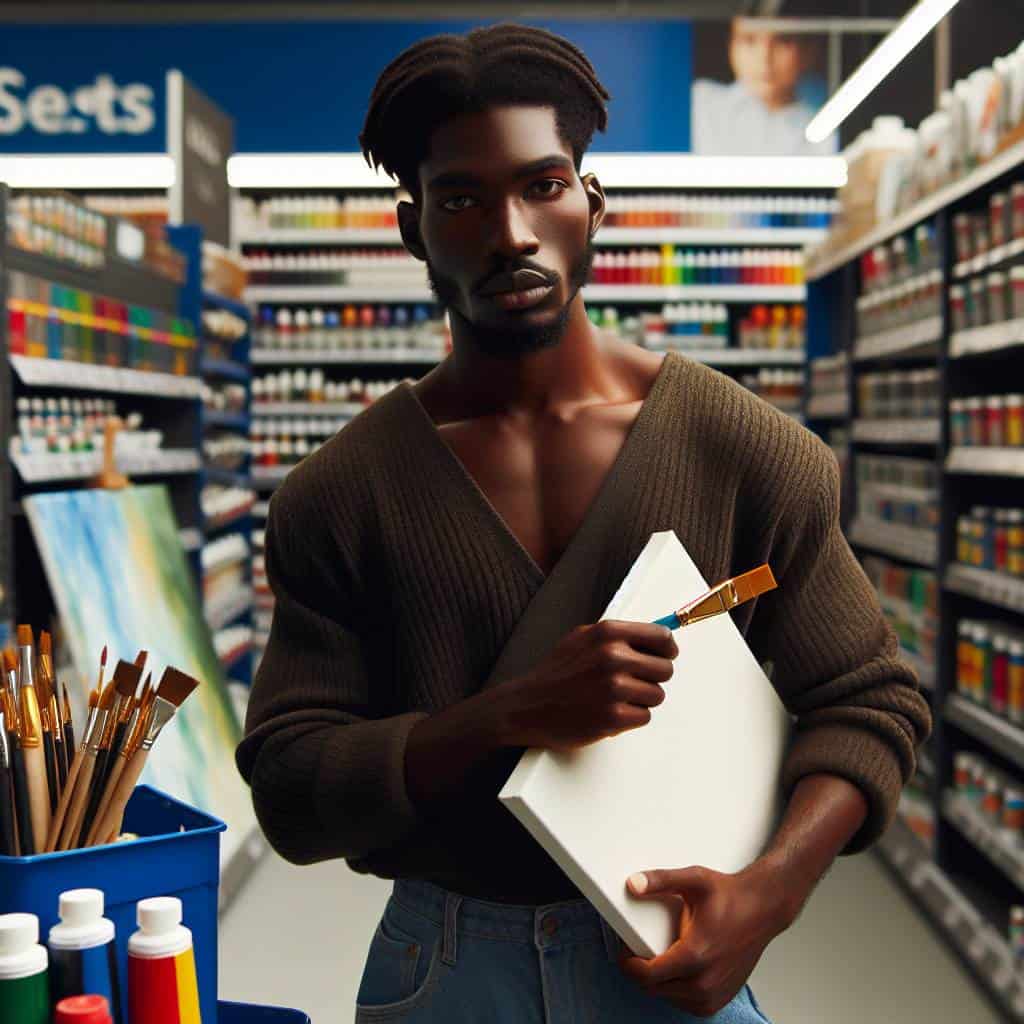
I once stood in an art supply store, palette knife in one hand, a blank canvas in the other, and the faintest glimmer of artistic confidence somewhere between them. The reality? I was just another soul lost in the aisles, surrounded by brushes whispering promises of masterpieces that’d never exist. DIY abstract painting seemed like the perfect escape from the crowded galleries of overpriced ambiguity. But let’s be honest, the whole thing is a hilarious contradiction. You splatter paint with reckless abandon and call it “expressive.” Yet, in the end, it’s a battle between you and that stubborn, white canvas—your best intentions versus gravity and liquid acrylics.
If you’re still with me, you’re either a masochist or genuinely curious about this beautiful mess. Stick around. I’ll lay bare my own trials with texture, pouring techniques, and the unpredictable dance of colors. It’s a journey into the trenches of modern art where anyone can be a genius, or at least fake it convincingly. We’ll delve into the secrets of the abstract world, where every brushstroke is a rebellion against the mundane.
Table of Contents
How I Accidentally Became an Acrylic Alchemist on Canvas
It all started on a gray, unassuming Thursday when I decided to tackle the blank canvas leaning against my living room wall. Armed with nothing but a set of acrylic paints and a YouTube tutorial I half-watched, I set out to create something—anything—that would break up the monotony of the cityscape outside my window. I thought, “How hard can this be?” Pour a little color here, splash a bit there, and voilà! But the moment I began, the paints seemed to conspire, swirling and blending in ways I hadn’t anticipated, transforming the canvas into a riot of unexpected textures and shapes. I wasn’t just painting; I was mixing potions, creating reactions, turning pigments into magic.
As the colors began to settle, I watched the painting morph into something alive, something with depth and personality. It wasn’t merely about aesthetics anymore. It became a dialogue between me and the canvas, each pour and stroke a question and answer session. I realized the beauty of acrylic was its unpredictability, its willingness to surprise. It was like discovering a secret language only the boldest artists dared to speak. I was no longer just a hobbyist; I had become an alchemist, conjuring emotions and stories from mere splashes of paint.
This accidental journey into acrylic alchemy taught me an invaluable lesson: art doesn’t have to be meticulous or pre-planned. Sometimes, the best creations come from letting go and embracing chaos. Forget the rigid rules and overpriced art supplies. All you need is the courage to pour, the patience to watch, and the curiosity to see what unfolds. In the end, the canvas tells its own story. One that, surprisingly, might just be a reflection of your own.
The Canvas Conspiracy
In the chaos of acrylic pouring, we find the quiet rebellion of texture—a modern art form that laughs at the pretentious elite while turning every kitchen table into a gallery.
The Canvas and I: A Creative Revelation
In the end, it’s not about the glorified mess left on the canvas; it’s about the process—the tactile dance between my hands, the paint, and the once-blank surface. There’s something liberating about embracing the chaos of acrylic, watching it pour and spread with a mind of its own, challenging me to find beauty in unpredictability. Each piece I create is a reflection of a moment, a fleeting thought captured in layers of color and texture. It’s modern art in its rawest form, a testament to the idea that not everything needs to be polished to be profound.
As I step back from my latest creation, I realize that DIY abstract painting has become more than just a hobby. It’s a dialogue between me and the canvas, a conversation that requires no words, only the silent understanding of shared imperfection. The art world may scoff at my unconventional approach, but in the quiet of my studio, amidst the splatters and spills, I’ve found my truth. It’s not about what others see; it’s about what I feel—and that’s a masterpiece in itself.