There I was, standing in the middle of my so-called multi-purpose room—a tiny 10×10 box that promised to be everything but reality. It was the epicenter of my life’s chaos: a guest room, an office, and a creative studio. I had visions of seamless transitions, where the flick of a wrist could transform my desk into a guest bed or an easel. Instead, I found myself cursing at a folding chair that pinched my fingers and a desk that wobbled like a toddler on roller skates. Flexible furniture? More like a flexible definition of sanity.
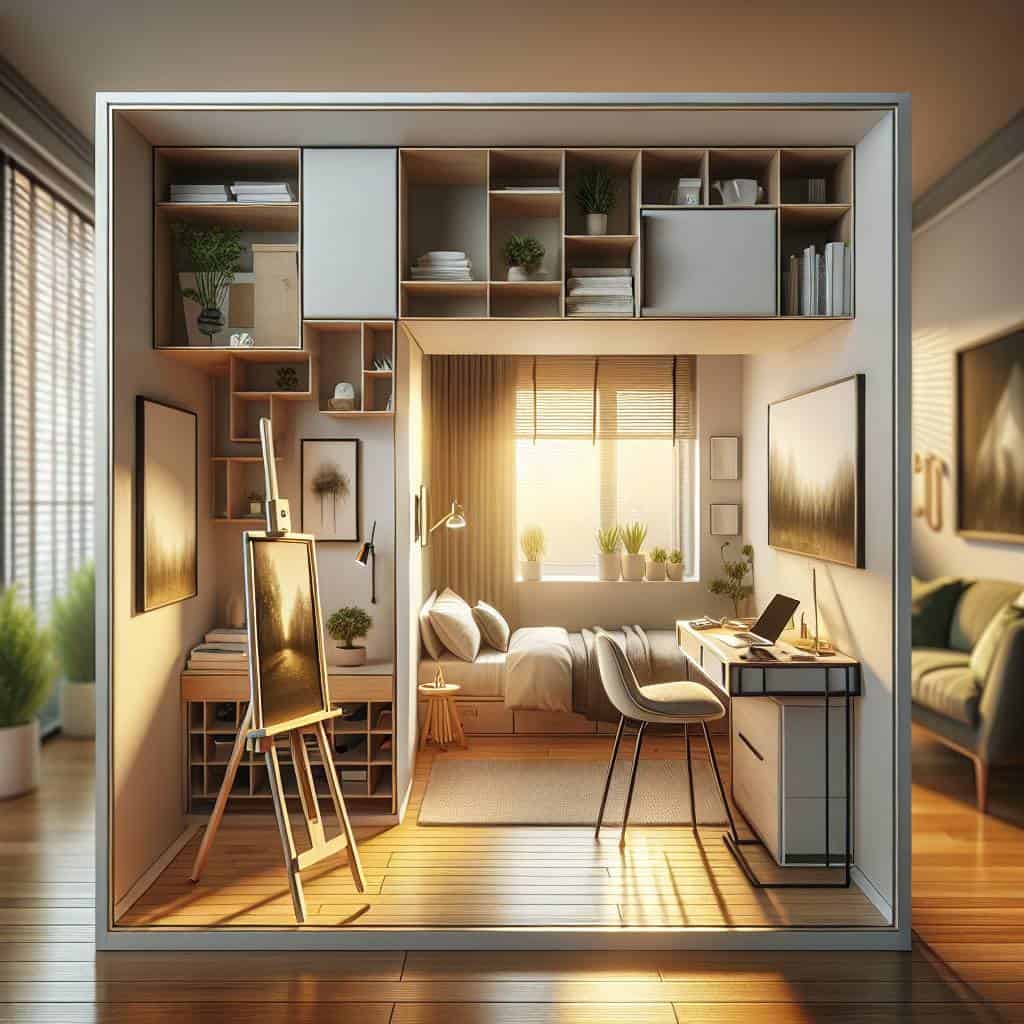
But here’s the deal. This article isn’t another cookie-cutter guide from the IKEA catalog. It’s a raw exploration of carving out a life within the constraints of four walls. I’ll share my hard-won insights on turning cramped quarters into a space that can host a guest, inspire creativity, and still function as an office. Forget soulless advice; we’re diving into the real world of small home dynamics, where every inch counts, and every piece of furniture has to earn its keep. Let’s break the mold and make space truly work for us.
Table of Contents
The Art of Disguising Your Office as a Cozy Guest Space
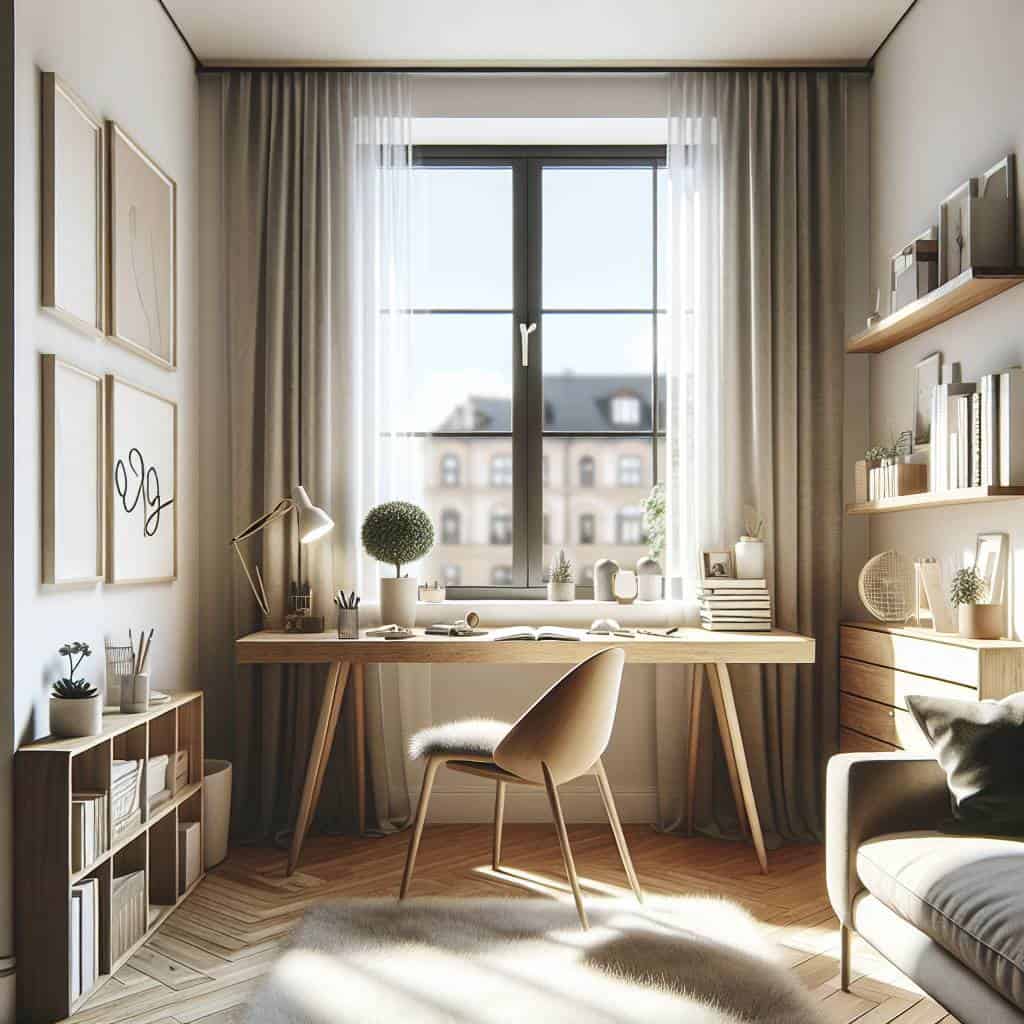
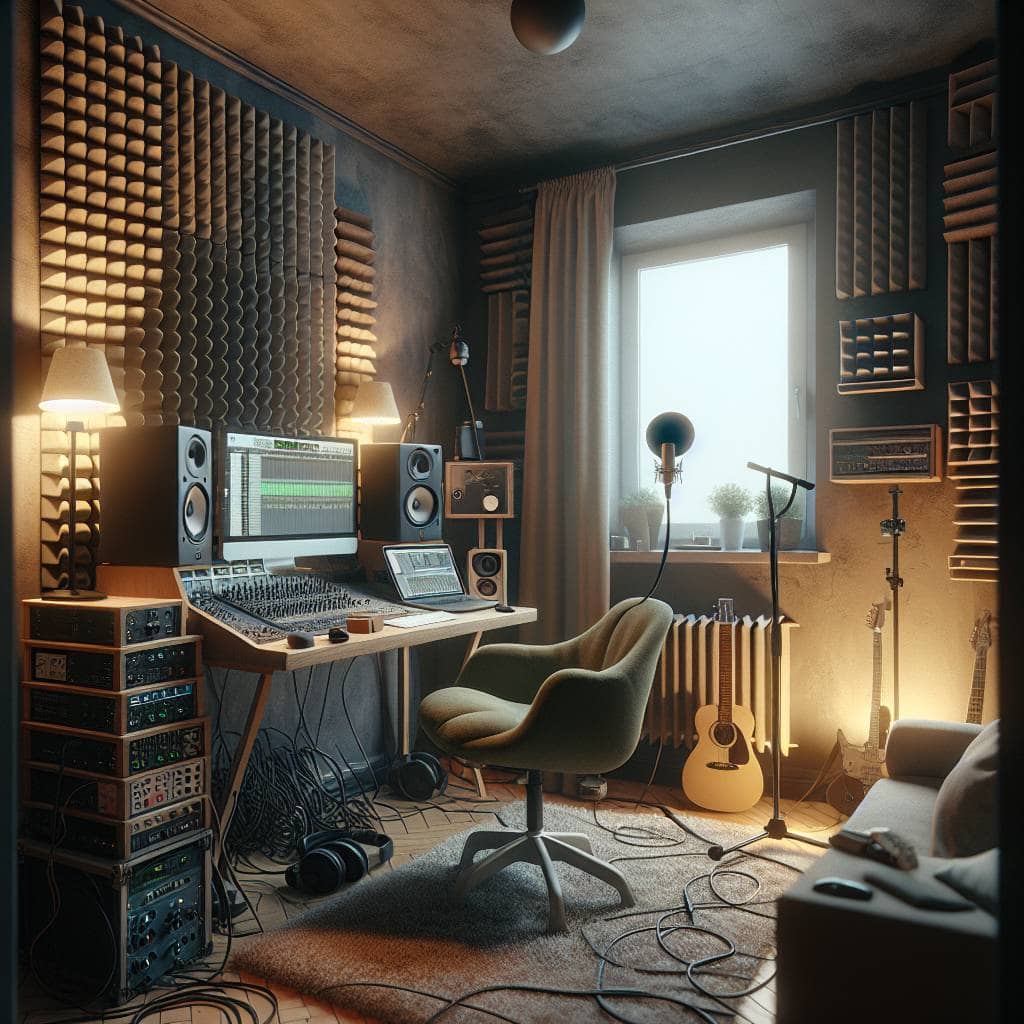
Imagine this: a single room that’s both a place to get your creative juices flowing and a sanctuary for guests. It’s like trying to fit an elephant into a Mini Cooper, but with a dash of clever design, it can be done. I remember standing in my cramped apartment, staring at my so-called “office,” which was really just a desk wedged between a bookshelf and a window. I realized that to make this space work for both me and my guests, I needed to think outside the box and embrace the art of disguise.
The key is flexible furniture, but not the kind that falls apart the moment you look at it sideways. Think smart, like a desk that folds into the wall or shelves that transform into a headboard. It’s about creating a space that serves dual purposes without compromising on style or comfort. I found a sofa bed that actually looked like a sofa—a real unicorn in the world of multi-purpose furniture. It allowed me to host friends without making them feel like they’re crashing in an office supply store.
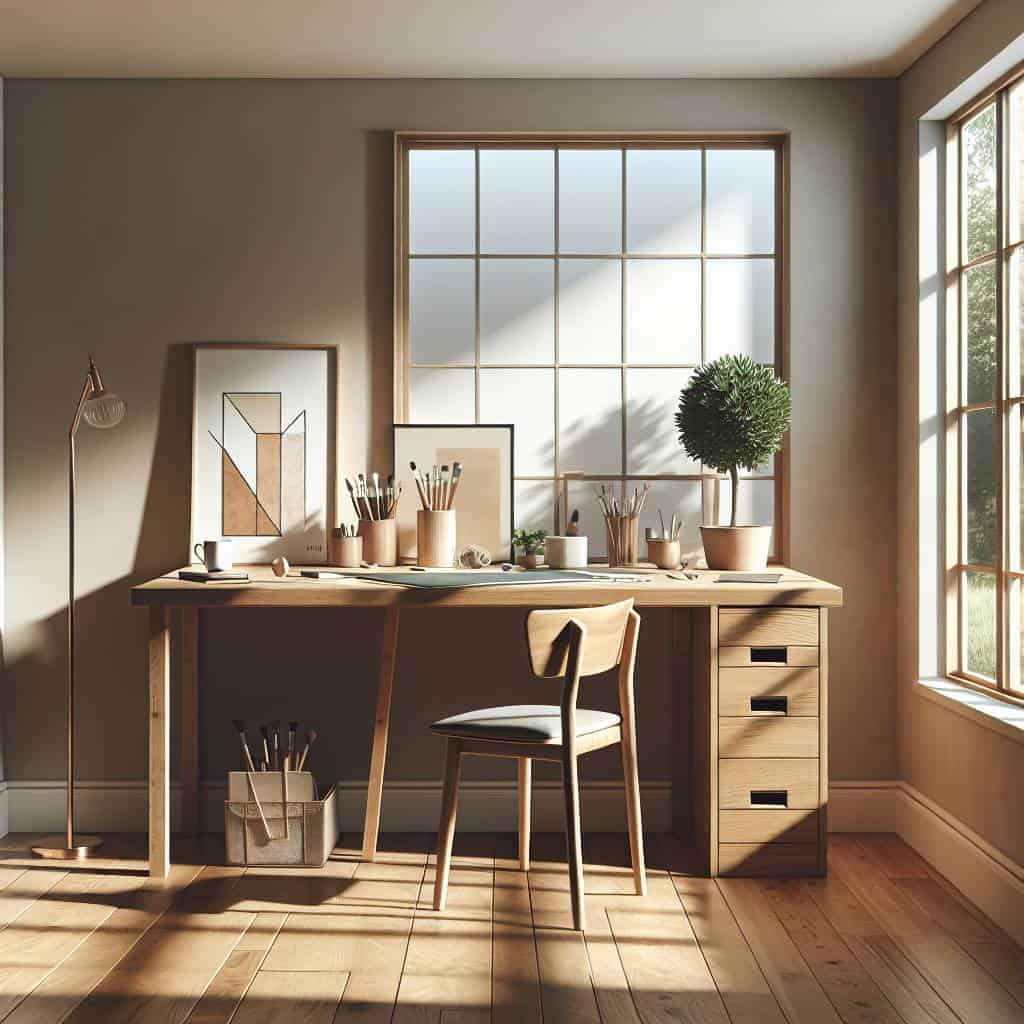
But the magic isn’t just in the furniture; it’s in the details. Soft lighting, a throw blanket, and a few strategically placed plants can transform even the most austere workspace into a welcoming retreat. My secret weapon? A couple of well-chosen art pieces. They hang above my desk when I’m working, but when the room morphs into guest mode, they make the space feel intentional, curated. It’s all about striking that perfect balance between function and form, making sure that neither your work life nor your guests feel like they’re intruding on each other’s turf.
The Art of Space Alchemy
In the dance of small spaces, the trick isn’t just to fit a guest room, office, and creative nook into one. It’s to let each role breathe without stealing the air from the others.
The Dance of Space and Imagination
In the end, this little room became more than just a challenge; it transformed into an intimate canvas for my creative ambitions. Every guest who steps foot in this space is greeted by an office that masquerades effortlessly as a cozy retreat. It’s a testament to the delicate balance between form and function, where every piece of flexible furniture tells a story of resilience against the constraints of small living. I’ve learned that true creativity isn’t about having boundless space, but about how you mold the limited space to echo the boundlessness of your imagination.
As I sit here, surrounded by the remnants of plans and sketches, I realize this journey wasn’t just about designing a room. It was about redefining what a home can be. It’s a reminder that even within the confines of four walls, there’s potential for endless reinvention. So, as I type these final words, I’m not just reflecting on a project completed but also on the lives and stories that will unfold in this space—each as unique and adaptable as the room itself.