I remember the first time I picked up a camera with the naive intention of capturing “truth.” I was fresh out of design school, armed with theories and the illusion of clarity. But reality hit hard when my so-called masterpiece—a gritty portrait of urban life—was met with more yawns than a Sunday sermon. That’s when it hit me: visual storytelling isn’t about what’s in the frame; it’s about what’s just outside it. It’s the untold layers, the whispers between lines that breathe life into an image. The camera is a liar without context, and context is a craft. In a city that never sleeps, even the shadows have stories to tell, if you know how to listen.
So, curious reader, welcome to a journey where we dissect and celebrate the art of turning pixels into prose. Together, we’ll unravel how narrative, photography, and composition come together to transform static images into dynamic tales. Expect nothing less than a deep dive into the techniques that elevate snapshots into stories. We’ll explore how to harness the power of visual cues, where every angle and every shadow plays a role in the narrative. Let’s abandon the clichés and dive into the details that matter—the ones that make the mundane magical.
Table of Contents
My Rollercoaster Romance With Photographing Life’s Little Dramas
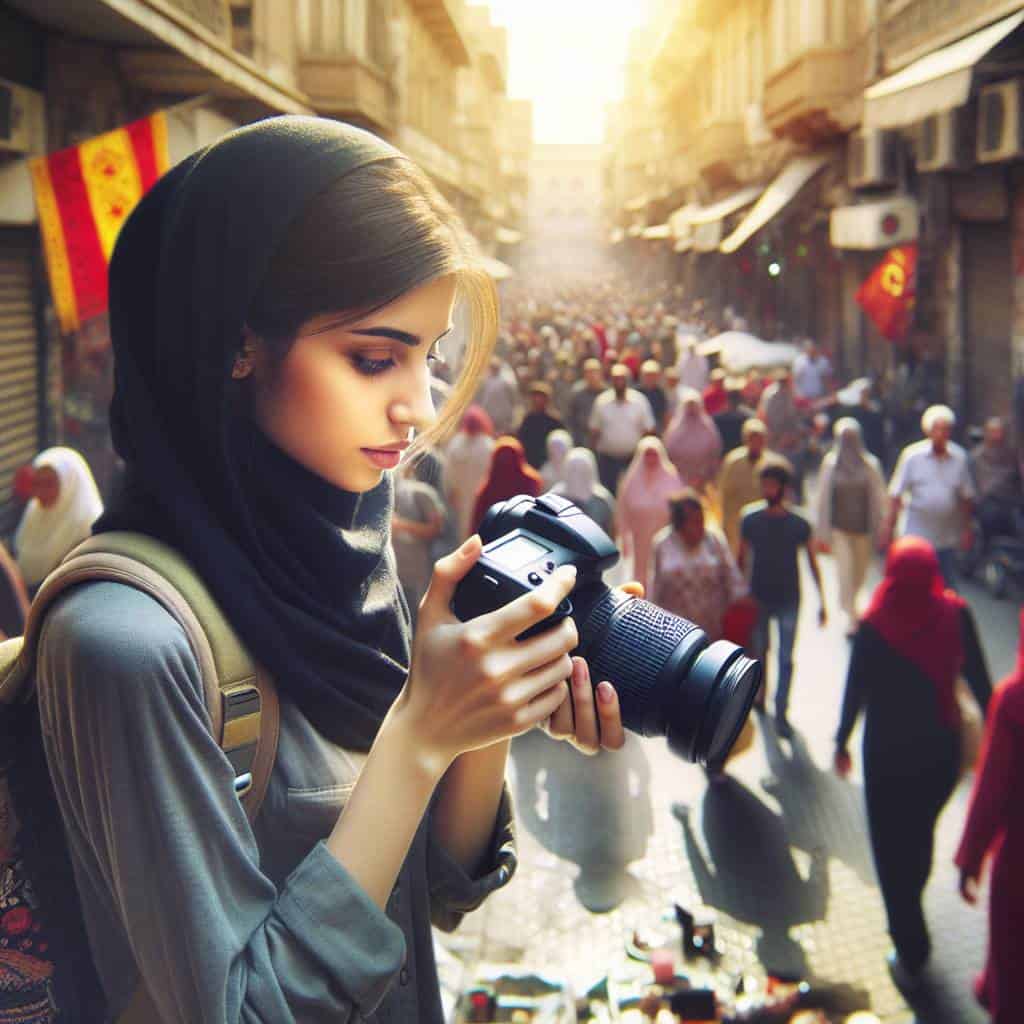
Every time I pick up my camera, it’s like strapping myself into a wild ride, hurtling through the ups and downs of capturing life’s unscripted moments. This isn’t just about snapping a shot—it’s about weaving a narrative from the chaos of everyday life. Photography, for me, is less about the perfect shot and more about the imperfect truth that lies within each frame. It’s the art of freezing a moment that tells a story, even if it’s just a fleeting glance, a subtle shift in light, or the way a shadow plays across a face. These little dramas are everywhere, waiting to be uncovered, and it’s my job to coax them out into the open.
But let’s not kid ourselves. There’s nothing simple about this romance. It’s a dance of patience and spontaneity, where composition becomes your partner in crime. I find myself drawn to the raw, unpolished tales—those split-second dramas that demand you to pay attention to the tiniest details. It’s in the angle of a street corner or the unexpected gesture of a passerby. And it’s not just about what you see, but how you see it. The trick is to compose these elements in a way that screams ‘pay attention!’ without uttering a single word. In a world obsessed with the grandiose, I revel in the small stories, the ones that linger long after the click of the shutter fades.
Capturing the Unseen Narrative
Visual storytelling isn’t about capturing reality—it’s about framing the fragments of chaos into a narrative that whispers to the soul.
The Final Frame: My Lens on the World
So, here we are, at the end of this little journey. It’s not just about snapping a picture; it’s about being a visual raconteur, weaving narratives through every captured moment. I’ve learned that the true artistry lies in the composition, in those tiny details that whisper more than they shout. It’s about finding a story in the play of light and shadow, in the unexpected juxtaposition of elements that most would overlook.
Every photograph I take is a dialogue with the world, a testament to the belief that storytelling through images transcends the ordinary. It demands a keen eye and a restless soul, always hungry for that one shot that speaks volumes. And in this ceaseless chase for visual truth, I’ve realized that my camera is not just an instrument; it’s my confidant, my co-conspirator in transforming the mundane into the magical. Together, we’re carving out narratives that linger in the mind, long after the shutter clicks.