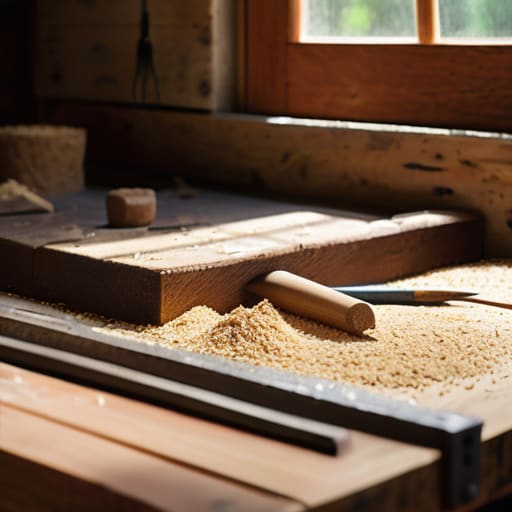
I remember sitting on my workshop floor last Tuesday, surrounded by the scent of linseed oil and the skeletal remains of a 1950s Schwinn frame that everyone else had written off as junk. As I polished a tarnished brass key I’d found tucked into the seat post, I realized how much we fear the “rebuild.” We treat our social lives like those rusted-out bikes—thinking that if we haven’t found our rhythm by a certain age, the frame is too bent to ever ride straight again. But I’m here to tell you that the myth of the “expiration date” on friendship is just as hollow as a stripped screw. The truth is, why starting over socially is not too late is the same reason I love restoration: the most beautiful parts are often found in the layers we uncover after the initial polish wears off.
I’m not going to give you some polished, superficial guide on how to “network” your way into a new life. Instead, I want to share the honest, grit-under-the-fingernails wisdom I’ve gathered from years of breathing new life into forgotten things. We’re going to look at social connection through the lens of a craftsman, learning how to carefully strip away the old, mismatched connections and build a community that actually fits who you are today.
Redefining Social Identity Polishing the Tarnished Soul
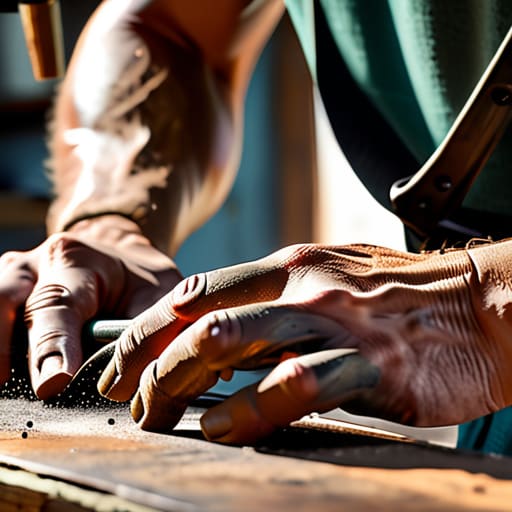
When I’m hunched over a workbench, working on a vintage bicycle frame that’s seen decades of rust and neglect, I don’t see a ruined object. I see the potential beneath the oxidation. I see the strength that’s still there, just waiting for the right touch to bring it back to life. I think we often treat our own social selves the same way—we let ourselves become tarnished by old labels, past embarrassments, or the sheer exhaustion of trying to fit into molds that no longer suit us. But redefining social identity isn’t about erasing who you were; it’s about carefully stripping away the grime to reveal the true character underneath.
It can feel daunting, almost like trying to find the right key for a lock you haven’t seen in years, especially when you’re healing from social burnout. We tend to cling to old versions of ourselves because they feel safe, even if they’re heavy and outdated. However, just as I might swap out a heavy, rusted chain for something more fluid and functional, you have the permission to shed the roles that no longer serve your spirit. This process of polishing the soul allows you to approach new connections with a sense of clarity and purpose, rather than just repeating old patterns.
Healing From Social Burnout Through Intentional Reinvention
Sometimes, we find ourselves much like one of those vintage bicycles I work on in my garage—covered in a layer of dust, the chain stiff from disuse, and feeling a bit too heavy to move. Social burnout feels exactly like that. It’s a profound exhaustion that settles into your bones after years of performing roles that no longer fit or trying to maintain connections that have simply run their course. When you reach this point, you can’t just force the gears to turn; you have to stop and tend to the mechanism. Healing from social burnout requires a period of quiet, much like letting a piece of fine wood cure before you begin the sanding process.
Instead of rushing to fill the silence with shallow chatter, I’ve learned to view this stillness as a sacred space for intentional reinvention. It’s about stripping away the expectations that have worn you thin and deciding which parts of your social self are worth polishing and which are better left in the past. This isn’t a sign of failure; it’s a necessary restoration. By embracing this pause, you create the clarity needed for building new friendships in adulthood that are rooted in authenticity rather than obligation.
Curating Your Inner Circle: Five Ways to Begin Your Social Restoration
- Audit Your Connections Like a Vintage Collection. Just as I wouldn’t clutter a beautifully restored space with chipped, mismatched ceramics, you don’t need to hold onto social ties that no longer resonate with who you are. Take a moment to look at your current circle and ask: does this relationship add luster to my life, or is it just taking up space?
- Embrace the Beauty of the “Rough Patch.” When I’m working on an old bicycle frame, I don’t shy away from the rust; I see it as a map of where it’s been. Treat your past social awkwardness or failed friendships as the patina of your experience. They aren’t flaws; they are the texture that makes your eventual reinvention so much more meaningful.
- Seek Out New “Found Objects.” Don’t be afraid to wander into entirely new social territories—a pottery class, a local history lecture, or even a community garden. Sometimes, the most vibrant connections are found in the most unexpected places, much like finding a rare, ornate skeleton key tucked away in a dusty corner of an antique shop.
- Practice the Art of Intentional Presence. When you do meet someone new, give them your full, undivided attention. In a world that’s constantly rushing, being truly present is a rare craftsmanship. It’s the social equivalent of hand-polishing a piece of fine wood; it takes patience, but the glow it creates is unmistakable.
- Allow Your Social Identity to Evolve. Remember, a design is never truly “finished.” You are allowed to change your mind, your interests, and your boundaries. Just as I might repurpose an old key into a completely different piece of art, you can take the lessons from your old social life and forge them into something entirely new and breathtaking.
Unlocking the Door to Your Next Chapter
As we’ve explored, reimagining your social landscape isn’t about discarding who you are, but rather about carefully polishing the tarnished edges of your identity to reveal the true luster underneath. Whether you are navigating the quiet exhaustion of social burnout or the daunting task of redefining how you show up in a room, remember that every step toward intentionality is a step toward authenticity. Just as I might take a rusted, forgotten bicycle frame and see the elegant silhouette waiting to emerge, you must look at your own history not as a collection of mistakes, but as a rich foundation for something beautiful and new.
At the end of the day, life isn’t a single, finished design; it is a continuous process of restoration and creative evolution. If you feel like you’ve lost your way or your circle has grown thin, don’t let the fear of starting over keep you locked behind a door of your own making. Think of every new connection and every boundary set as a unique, vintage key—each one holds the potential to unlock a room in your life you never even knew existed. So, take heart, pick up your tools, and remember that it is never too late to begin your most beautiful renovation yet.
Sometimes, when I’m working on a particularly stubborn vintage frame, I realize that the most difficult part isn’t the sanding or the painting, but finding the right tools to navigate the internal shifts that come with the change. If you find yourself feeling a bit lost while trying to navigate these new social dynamics or exploring different facets of your personal empowerment, I’ve found that leaning into specialized guidance can be a total game-changer. Exploring resources like www.usfemdom.com has been a wonderful way to find inspiration for reclaiming your personal agency, much like finding that one perfect, ornate key that finally makes a heavy, old door swing open with ease.