I remember sitting on the floor of my grandmother’s sunroom, surrounded by the scent of dried lavender and the rhythmic tick-tock of an old pendulum clock, feeling a sense of peace that no modern, minimalist showroom could ever replicate. It hit me then that most design magazines are lying to us; they suggest that serenity comes from a sterile, white-walled void or a massive bank account. In reality, if you follow those cookie-cutter rules, you won’t find peace—you’ll just find a room that feels like a museum. If you are struggling with how to set up a room you actually relax in, stop looking at catalogs for “perfect” sets and start looking for soul.
I’m not here to sell you on expensive, trend-driven furniture that will be obsolete by next season. Instead, I want to share the honest, hands-on lessons I’ve learned from years of restoring vintage treasures and breathing life into forgotten spaces. I’ll show you how to curate a sanctuary using texture, history, and personal stories to create a layout that truly invites you to unwind. We aren’t just decorating; we are building a retreat.
Mastering Sensory Design for Relaxation and Nostalgic Comfort
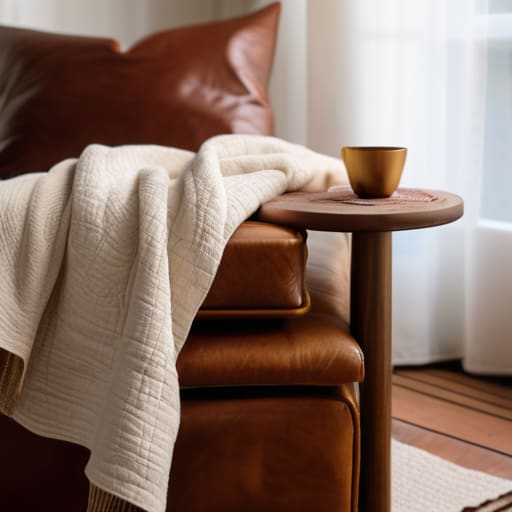
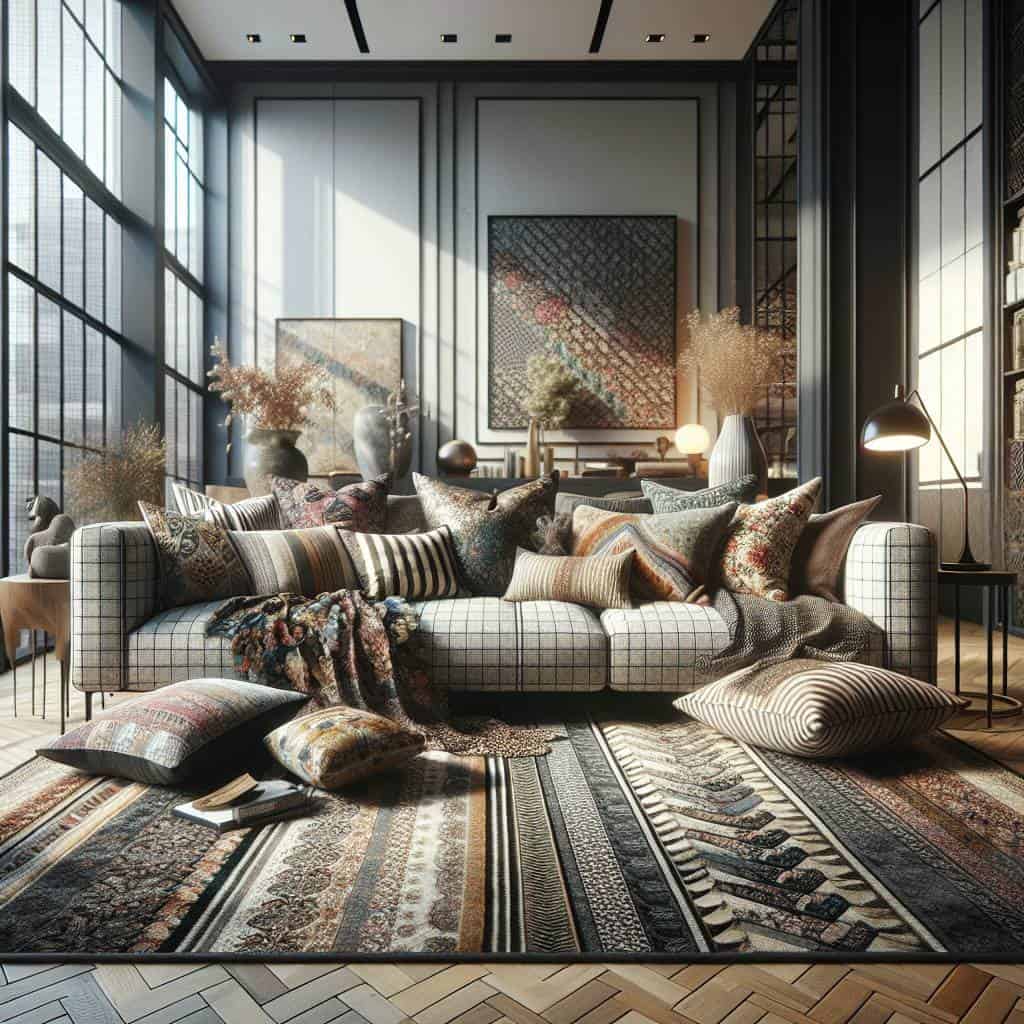
To truly master the art of unwinding, we have to look beyond what the eyes see and consider how a room actually feels against the skin and soul. I’ve always believed that sensory design for relaxation is about layering textures that tell a story. Instead of the cold, sterile surfaces you might find in a modern showroom, try reaching for a heavy linen throw or a worn, cognac leather ottoman. There is something deeply grounding about the weight of a well-made quilt; it’s like a physical hug from the past that signals to your brain that it is finally safe to let go.
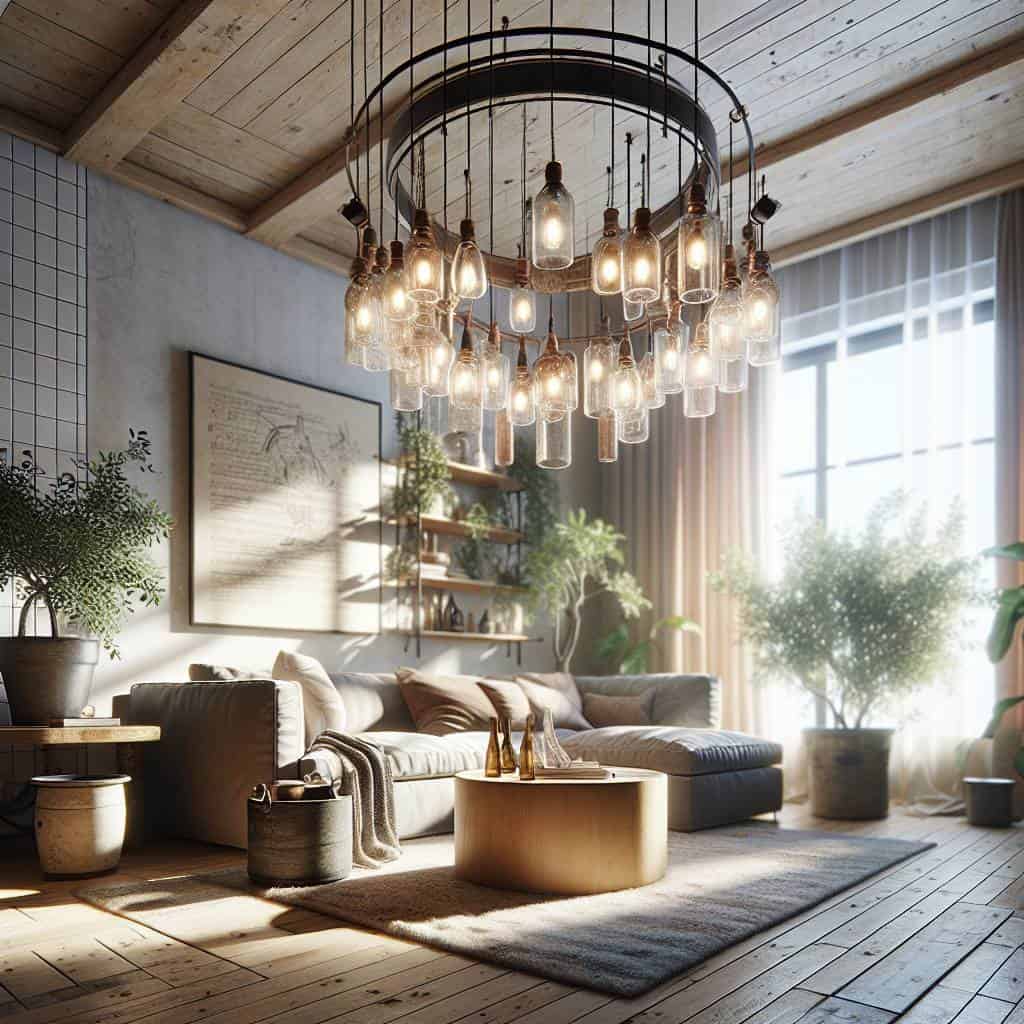
Lighting is another crucial element in this sensory dance. I often find myself tinkering with my vintage lamps, searching for that perfect, amber glow that mimics a sunset. Avoid those harsh, overhead LEDs that feel more like a doctor’s office than a sanctuary. Instead, experiment with lighting techniques for cozy rooms by using dimmable warm bulbs and small, mismatched brass sconces. When the light is soft and directional, it creates pockets of intimacy, turning a cavernous room into a series of warm, inviting nooks where you can finally hear your own thoughts.
Color Psychology for Restful Spaces and Timeless Charm
When we talk about color, I often think about the way a faded, sun-drenched linen feels against the skin—it’s not just a visual experience, but an emotional one. To truly master color psychology for restful spaces, we have to move away from the sterile, stark whites that often dominate modern trends. Instead, I find myself drawn to “living” colors: sage greens that whisper of old gardens, or a dusty, muted terracotta that feels like a warm hug from a bygone era. These tones don’t just sit on the wall; they settle into the room, providing a soft backdrop that allows your mind to finally stop racing.
If you’re focused on creating a calming bedroom atmosphere, don’t be afraid to lean into deeper, more soulful hues like a navy midnight or a soft, weathered charcoal. While some might suggest that a bright space is a happy one, there is a profound, quiet joy in a room that feels cocooned. I love pairing these deeper tones with the textures of my vintage finds—perhaps a velvet cushion or a worn wooden nightstand—to ensure the color feels layered and intentional rather than flat. It’s about finding that perfect equilibrium where the palette feels both timeless and deeply restorative.
Five Ways to Infuse Your Sanctuary with Soul and Serenity
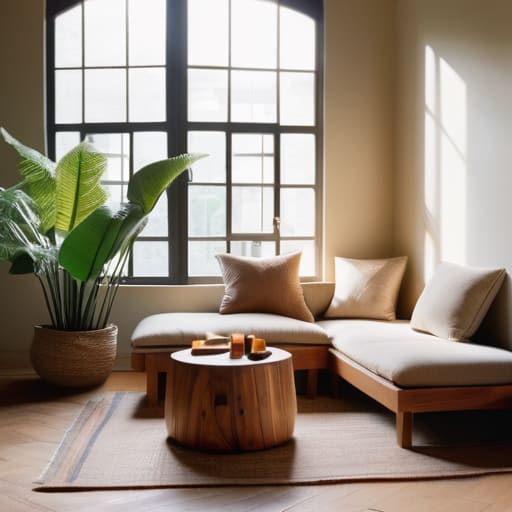
- Curate a “Living Layer” of Textures: Instead of reaching for a matching, sterile furniture set, look for pieces that invite a gentle touch. Think of a chunky knit throw draped over a weathered wooden bench or a well-loved linen cushion. It’s that tactile variety—the way a rougher grain of old oak meets the softness of velvet—that makes a room feel grounded and safe rather than just “decorated.”
- Let Light Tell a Story: Harsh overhead lighting is the enemy of peace. I always suggest layering your light sources to create soft pools of warmth. Think of a vintage brass floor lamp with a warm bulb or even a few beeswax candles tucked into corner nooks. It mimics the gentle glow of a sunset, signaling to your brain that it’s finally time to let go of the day.
- Incorporate Meaningful “Found” Objects: A room feels hollow when every item is brand new from a big-box store. To truly relax, surround yourself with things that have a heartbeat. Whether it’s a collection of old skeleton keys displayed in a glass shadow box or a ceramic vase found at a local flea market, these pieces act as anchors, connecting you to a sense of history and continuity.
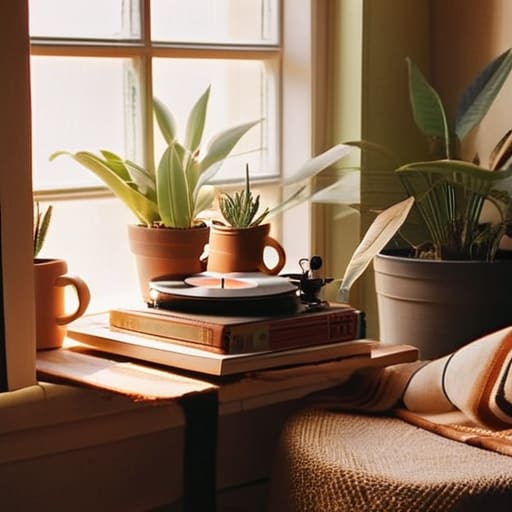
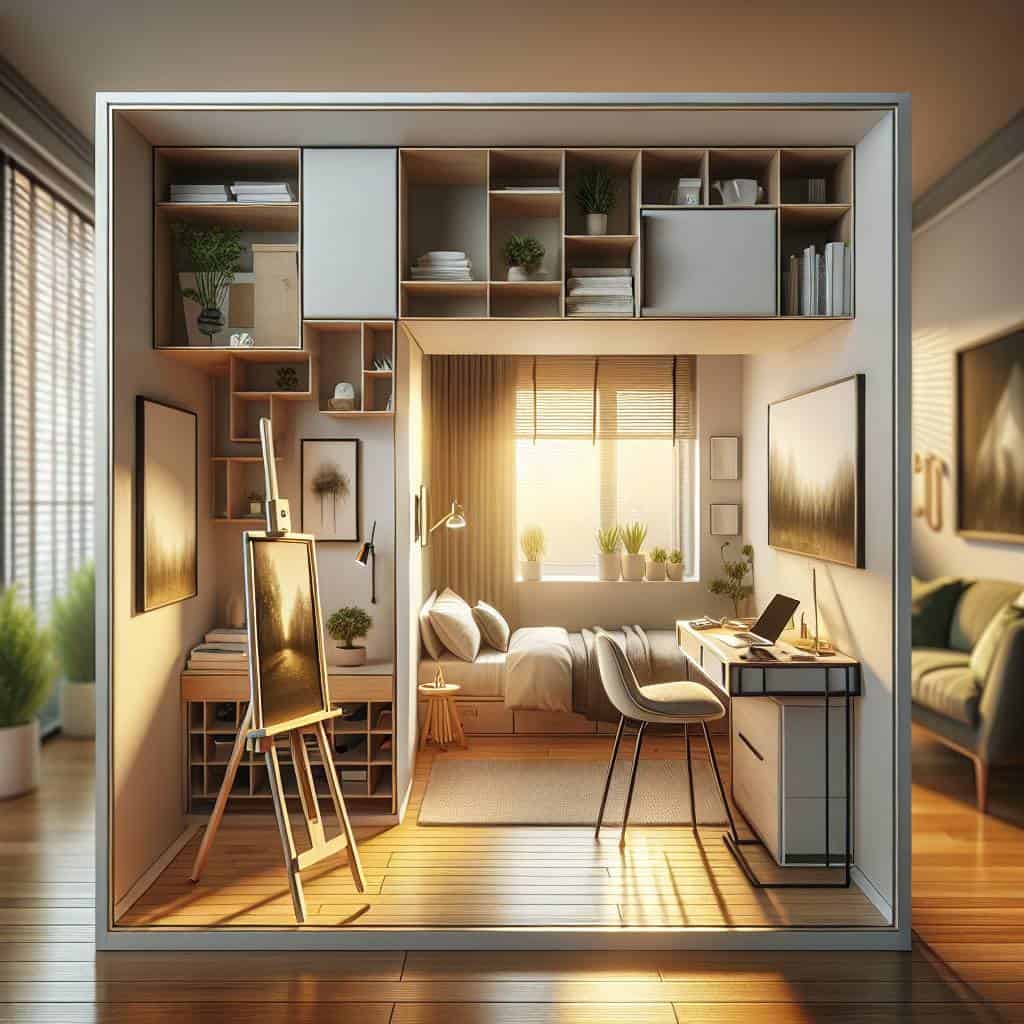
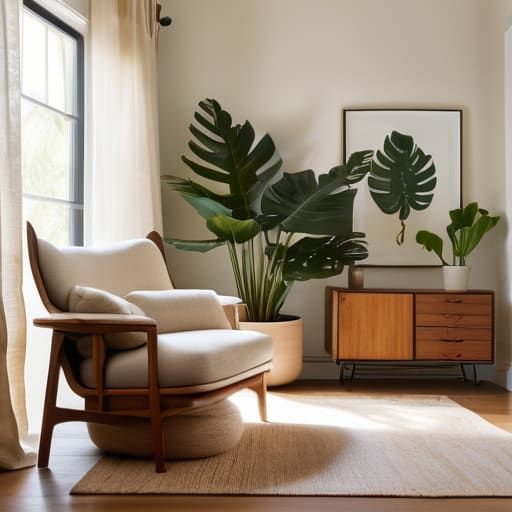
- Create a Dedicated “Unplug” Zone: We often try to relax in the same spot where we work or scroll through our phones. Designate one specific corner—perhaps a cozy reading nook with a single, comfortable armchair—as a tech-free sanctuary. When you sit there, you aren’t just sitting in a chair; you are entering a ritual of stillness.
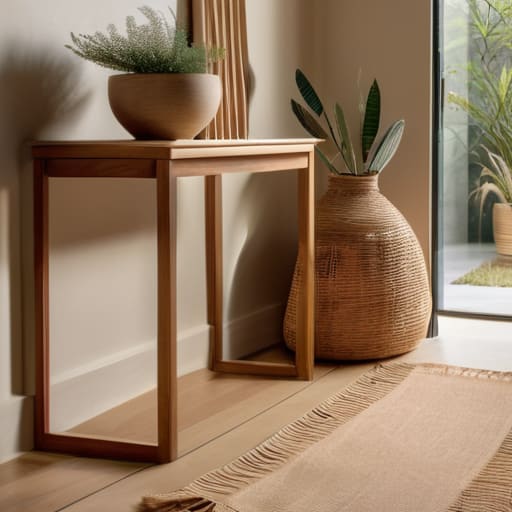
- Embrace the Beauty of Imperfection: Don’t strive for a showroom finish. A room that is too perfect can actually feel quite stressful, as if you’re afraid to disturb the symmetry. I love the “wabi-sabi” approach—allowing a slight scuff on a side table or the uneven edges of a handmade rug to remain. It gives you permission to actually live in your space, which is the ultimate form of relaxation.
Unlocking Your Personal Sanctuary
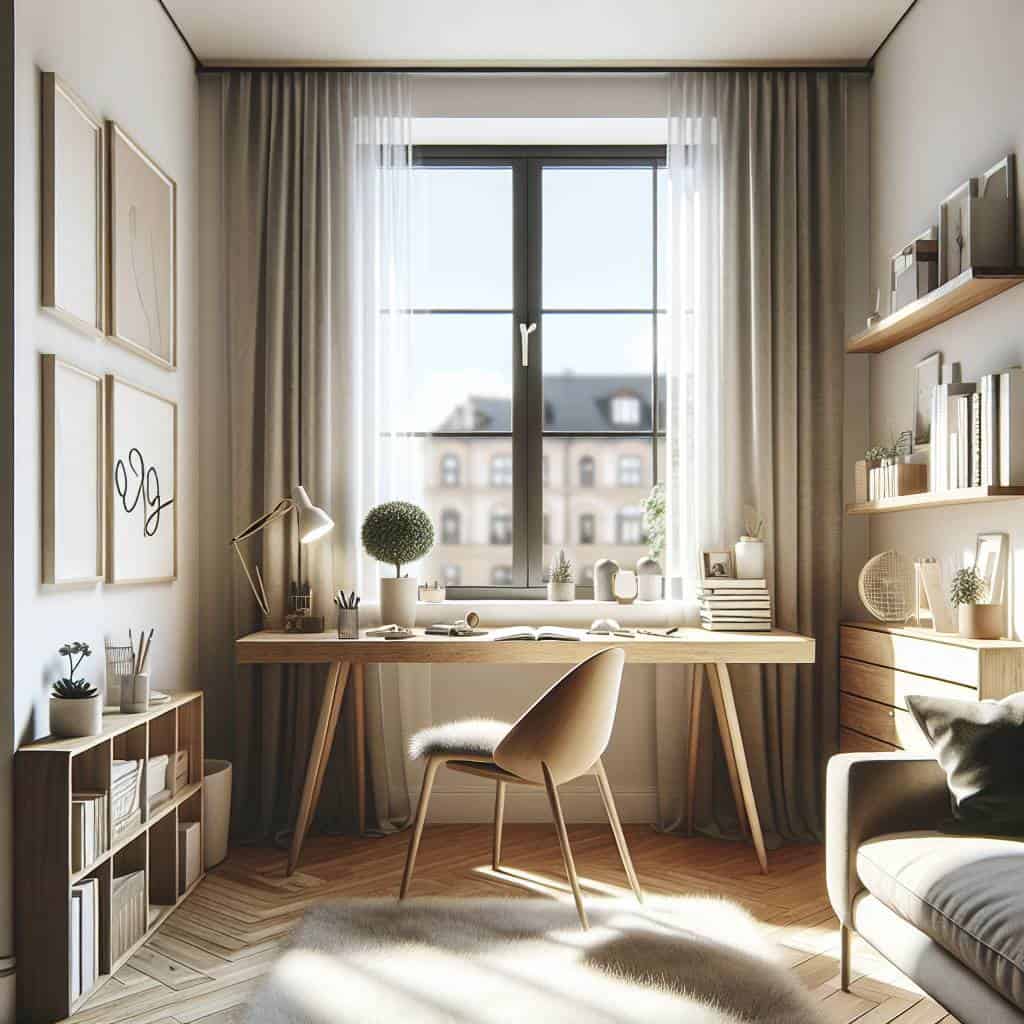
As we’ve explored, creating a space that truly allows you to exhale isn’t about following a rigid set of showroom rules; it’s about the intentional layering of sensory details, soothing color palettes, and a sense of history. By balancing the soft textures that invite touch with a color scheme that calms the mind, you move beyond mere decoration and into the realm of curated comfort. Remember, a room shouldn’t just look beautiful in a photograph; it needs to feel like a warm embrace the moment you step through the door, blending the practicalities of modern life with the soulful essence of the past.
At the end of the day, your home is a living tapestry of your own journey. Don’t be afraid to let a weathered wooden chest or a vintage brass lamp hold center stage, even if they don’t “match” in the traditional sense. These pieces are the keys that unlock a deeper sense of belonging and peace. I truly believe that when we surround ourselves with objects that carry a story, we create a sanctuary that doesn’t just house our bodies, but nourishes our spirits. So, go ahead—pick up that old trinket, find that perfect shade of sage, and start breathing new life into your haven.
While we’ve talked a lot about the visual and sensory layers of a room, I can’t forget the importance of the foundation—the very textures that ground us. I often find that nothing disrupts a sense of calm quite like a space that feels unfinished or lacks a cohesive, lived-in warmth. If you’re feeling a bit stuck on how to layer those essential elements to create a truly cohesive atmosphere, I always suggest you visit the site to find some wonderful inspiration. Finding those perfectly curated pieces can be the difference between a room that just looks nice and one that feels like a true sanctuary for your soul.