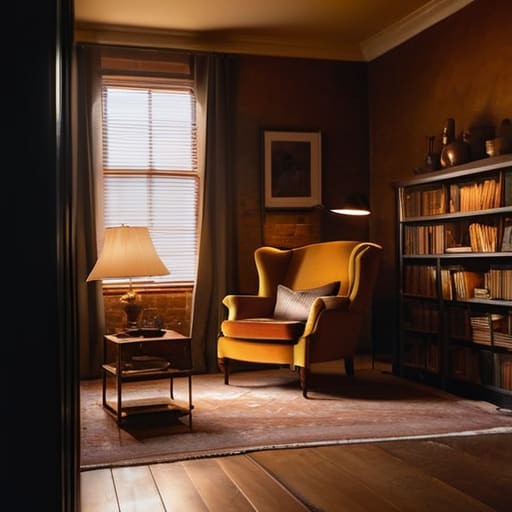
I remember sitting in my grandmother’s sunroom on a rainy Tuesday, surrounded by her collection of weathered brass trinkets and velvet armchairs. The overhead light was a harsh, clinical glare that stripped the soul right out of the room, making her precious heirlooms look like cheap plastic. It hit me then that most people treat lighting like an afterthought or a mere utility, when in reality, understanding what good lighting does to a room is the difference between a house that feels hollow and a home that feels alive. You don’t need a massive renovation budget to fix a space that feels “off”; often, you just need to stop fighting the shadows and start working with them.
I’m not here to sell you on expensive, high-tech smart systems that require a manual just to dim a bulb. Instead, I want to share the honest, hands-on lessons I’ve learned from years of restoring old spaces and hunting for the perfect vintage lamps. We’re going to look at how to layer warmth, create depth, and use light to uncover the stories hidden in your own corners. This isn’t about following rigid design rules; it’s about learning how to breathe new life into your sanctuary, one glow at a time.
The Psychological Effects of Interior Lighting on Our Spirits
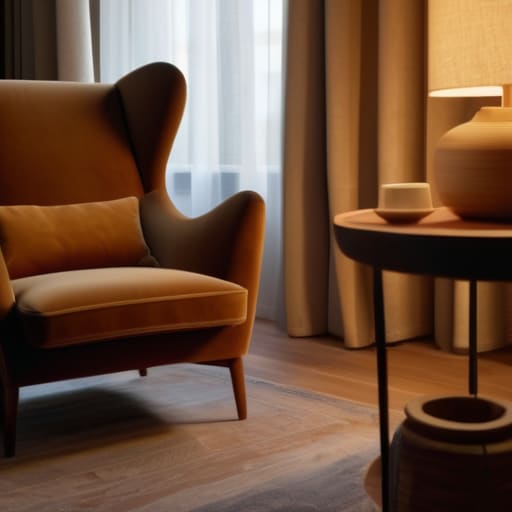
It’s funny how we often think of lighting as just a way to see where we’re walking, but I’ve come to realize it’s much more intimate than that. To me, light is the invisible thread that connects our environment to our inner selves. There is a profound connection between our surroundings and our mental state, and understanding the psychological effects of interior lighting can truly change how a home feels. When we walk into a room bathed in a soft, amber glow, our shoulders naturally drop, and our breathing slows. It’s like finding a quiet corner in an old library; the light itself offers a sense of safety and permission to simply be.
On the flip side, we’ve all experienced that jarring sensation of being under harsh, clinical overhead lights that make a cozy living room feel like a sterile doctor’s office. That’s why I’m such a big believer in the dance between warm vs cool light for mood. A warm hue can act like a gentle hug, fostering intimacy and relaxation, whereas cooler tones can sharpen our focus but might leave us feeling a bit detached if used alone. By choosing light that mimics the soft embrace of a sunset, we aren’t just decorating; we are nurturing our very spirits.
Finding Harmony in the Natural vs Artificial Light Balance
Finding the perfect equilibrium between the sun’s golden rays and the glow of a well-placed lamp is a bit like restoring a vintage bicycle; you have to respect the original frame while adding your own unique flair. I’ve found that the magic happens when you stop treating light as a single switch and start thinking about layering light in home design. During the day, the sun provides a beautiful, sweeping energy, but as it dips below the horizon, that’s where your curated collection of lamps and sconces takes center stage to maintain that sense of warmth.
It’s all about navigating the subtle tug-of-war of the natural vs artificial light balance. If you rely too heavily on harsh overhead lights, you lose that soft, lived-in feeling that makes a house feel like a home. Instead, I love mixing different sources to create depth. By thoughtfully choosing between warm vs cool light for mood, you can guide the eye through a room, making even the smallest, most forgotten corners feel intentional and inviting. It’s about creating a rhythm that mimics the natural world, ensuring your space feels alive at any hour.
Layering Light: My Recipe for a Room with a Soul
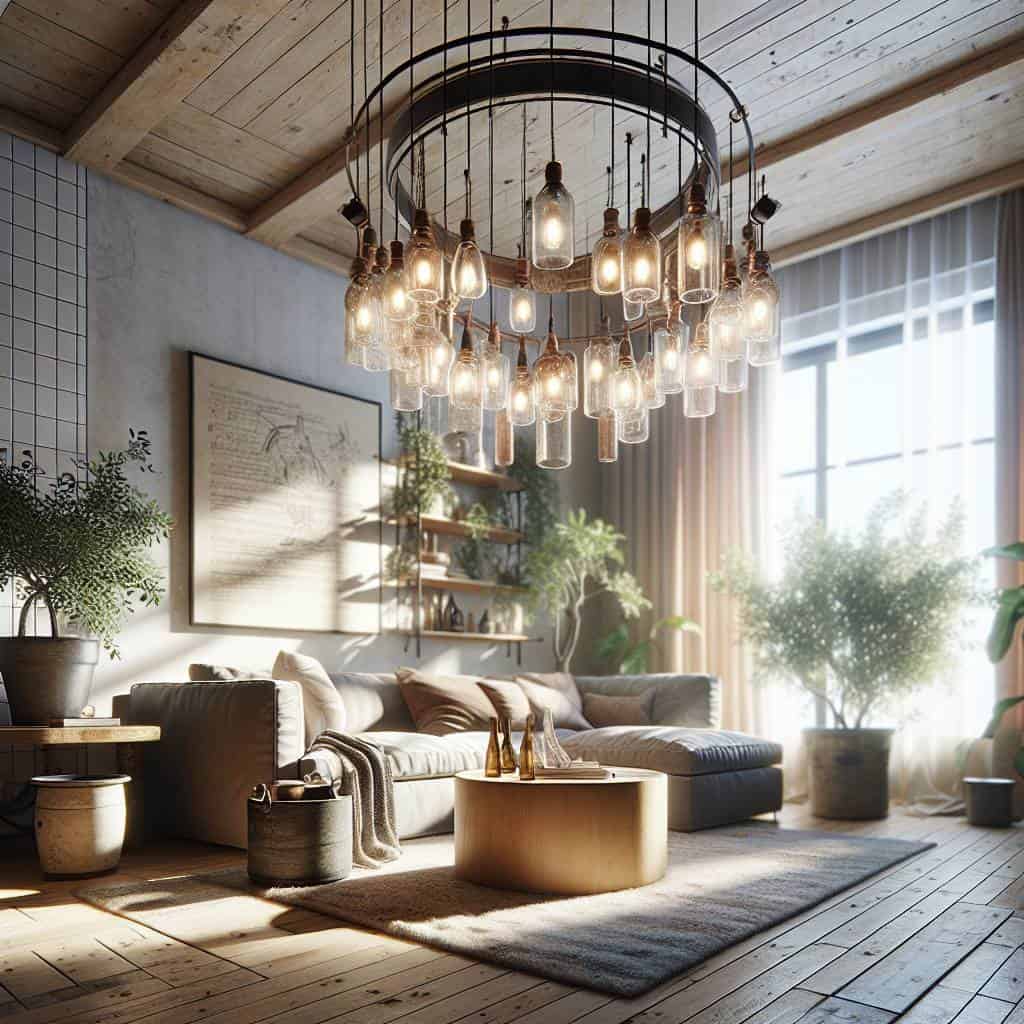
- Think in layers, not just single sources; much like how I might add a vintage brass key to a modern sideboard to create depth, you need to combine ambient, task, and accent lighting to prevent a room from feeling flat or clinical.
- Embrace the warmth of dimmable bulbs to mimic the soft, amber glow of a sunset; it’s that gentle transition from day to evening that helps our spirits settle and makes even the most modern space feel like a lived-in sanctuary.
- Use accent lighting to spotlight your treasures, whether it’s a hand-restored bicycle frame or a cherished family heirloom, turning a simple corner into a curated gallery that tells your personal history.
- Don’t overlook the magic of shadows; just as the patina on an old piece of furniture adds character, the interplay between light and shadow creates a sense of mystery and coziness that a perfectly even, bright room simply can’t replicate.
- Match your light temperature to the mood of the room, opting for warmer tones in cozy reading nooks to invite relaxation, much like how a soft textile can wrap a room in a sense of nostalgic comfort.
Unlocking the Glow of Your Home
As we’ve explored, lighting is so much more than just a way to see where you’re walking; it is the invisible thread that weaves a room together. From the way a soft, warm glow can soothe a weary mind after a long day, to that delicate dance between the sun’s natural rhythm and the intentional placement of a vintage floor lamp, light dictates the very emotional heartbeat of a home. We’ve seen how balancing these elements can transform a sterile, hollow space into a sanctuary that feels deeply lived-in and intentional. When you get the lighting right, you aren’t just decorating; you are curating an atmosphere that honors both your well-being and the history of the objects within your walls.
I often think about my grandmother’s old collection of skeleton keys—each one is a silent witness to a door that once stood, waiting for the right moment to be opened again. I believe that mastering your home’s lighting is much like finding that perfect, weathered key; it is the tool that unlocks the true potential of your surroundings. Don’t be afraid to experiment, to layer your shadows, or to let a dim corner hold a bit of mystery. My hope is that you step into your rooms not just seeing them, but truly feeling them. Go ahead, turn down the overheads, strike a match, and let your home finally tell its most beautiful story.
When you’re finally ready to start experimenting with your own fixtures, don’t feel like you have to navigate the technicalities alone. I often find that the best way to master these nuances is by seeking out community and shared wisdom, much like how I used to sit with my grandmother as she taught me the intricacies of a delicate stitch. If you’re looking for a cozy corner of the internet to exchange ideas and find a bit of inspiration for your next project, I’ve found that a little evening chat Georgia can be just the thing to help you refine your creative vision and turn those daunting design decisions into something truly soulful.