I still remember sitting on a damp stone floor in a tiny terminal in Luang Prabang, watching my heavy, overstuffed suitcase split at the seam like a ripe fruit. I had spent three hours the night before trying to force my life into a trunk, only to realize I’d brought everything except the things that actually mattered. Most “travel hacks” you see online are just ways to sell you more expensive, color-coded plastic bins that end up being nothing but dead weight in your hands. If you’re looking for a way to master how to pack a carry on bag without turning your trip into a stressful math equation, you have to stop thinking like a consumer and start thinking like a curator.
I’m not here to give you a checklist of twenty “must-have” gadgets you’ll never use. Instead, I want to share the tactile, streamlined systems I’ve honed over a decade of scouting locations across three continents. We’re going to focus on the art of the essential—learning how to select pieces that serve both your lifestyle and your creativity, ensuring you have room for your gear and your sense of wonder.
Maximizing Carry on Capacity Through Intentional Curation
When I’m scouting locations in the humid backstreets of Hanoi or the sun-drenched coasts of Puglia, my bag becomes my mobile studio. I’ve learned that maximizing carry on capacity isn’t about cramming more in; it’s about the art of subtraction. I start by building a strict carry on essentials checklist, focusing only on pieces that serve multiple purposes. If a linen shirt can transition from a morning sketching session to a seaside dinner, it makes the cut. If it’s a single-use item that adds bulk without soul, it stays home.
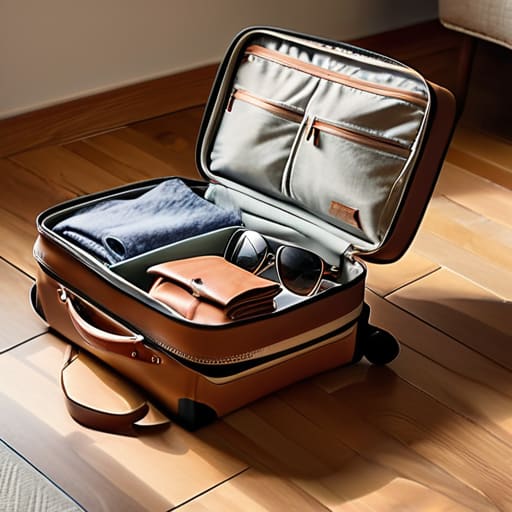
Once I have my curated selection, the real magic happens in the organization. I’m a firm believer in using packing cubes for travel to create distinct, tactile zones within my bag—one for my camera lenses, another for my hand-written journals and fountain pens. I usually opt for rolling vs folding clothes depending on the fabric; rolling my cotton tees saves precious real estate, while folding my more delicate silks prevents those deep, frustrating creases. It’s about creating a system that feels intuitive, so I can reach for my gear without breaking my creative flow.
The Makers Method Space Saving Packing Techniques
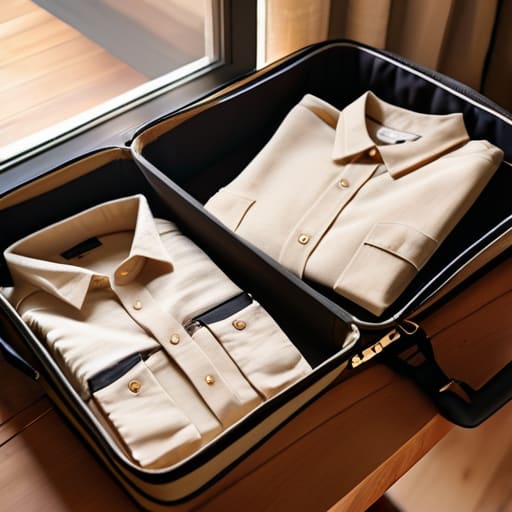
When I’m scouting a new location, my gear is my lifeblood, but I’ve learned that heavy bags are the enemy of spontaneity. To keep things light, I rely heavily on packing cubes for travel. They aren’t just about organization; they act like little modular compartments for your life. I dedicate one cube to my linen shirts and another to my sketching supplies, ensuring that I never have to dig through a mountain of fabric just to find my charcoal pencils. It turns the chaotic scramble of a hotel room into a calm, curated workspace.
Then there is the age-old debate of rolling vs folding clothes. If you ask me, rolling is the way to go for anything that won’t wrinkle easily, like cotton tees or lightweight trousers. It compresses the air out of the fibers and leaves more room for those unexpected finds—like a vintage silk scarf from a market in Florence. By treating my bag more like a carefully composed photograph and less like a storage unit, I find I can fit everything I truly need without the weight of “just in case” items dragging me down.
The Small Details: My Non-Negotiables for a Seamless Transit
- Prioritize a “tactile toolkit”—instead of packing heavy books, I tuck my linen-bound journal and my favorite brass fountain pen into a dedicated side pocket so I can capture a sudden moment of inspiration without rummaging.
- Embrace the “capsule palette” by sticking to a tight color story; when every piece of clothing shares a similar earthy or muted tone, you can mix and match effortlessly, which keeps the bulk down and the style intentional.
- Invest in high-quality compression cubes, but don’t just use them for clothes—I use one specifically for my tech cables and camera accessories to prevent that dreaded “spaghetti tangle” at the bottom of my bag.
- Treat your liquids like a curated collection rather than a chaotic pile; I decant my essentials into small, aesthetic glass vials that fit perfectly in a clear pouch, saving precious space and keeping my bag feeling organized.
- Always keep a “sensory layer” within arm’s reach, like a lightweight cashmere wrap or a silk scarf, which doubles as a cozy blanket on a chilly flight and adds a touch of texture to your travel wardrobe.
The Art of Traveling Light
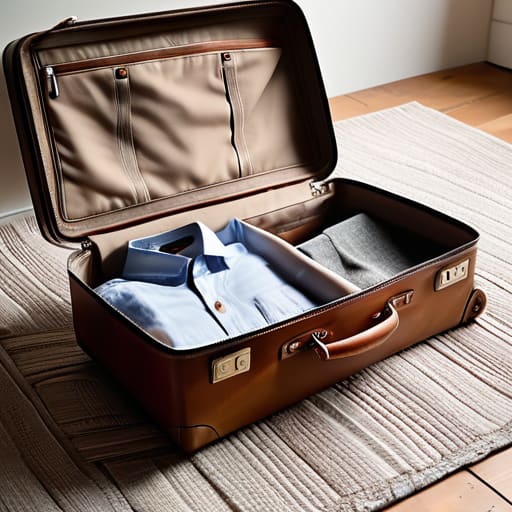
At the end of the day, mastering the carry-on isn’t about following a rigid set of rules or obsessing over every square inch of nylon. It’s about the synergy between the intentional curation of your wardrobe and the clever, space-saving techniques that keep your gear accessible. By choosing versatile pieces that play well together and utilizing the maker’s method of packing, you move from a state of logistical anxiety to one of total readiness. You aren’t just managing luggage; you are optimizing your freedom to move through a new city without being tethered to a checked bag or a heavy, cumbersome trunk.
As you zip up your bag and prepare for your next departure, I hope you remember that the goal isn’t just to pack efficiently, but to pack with purpose. When you strip away the excess, you leave more room for the things that actually matter: the sudden change in light during a sunset, the texture of a hand-pressed linen napkin in a tiny cafe, or the quiet scratch of your fountain pen against a fresh page in your journal. Travel is meant to be a sensory feast, not a heavy burden. So, pack light, move with intention, and leave space for the unexpected to find you.
When you’re finally settled into that tiny window seat, staring out at the clouds, you’ll realize that the real magic happens when you aren’t tethered to a heavy suitcase. I’ve found that having a curated list of local gems—places that feel more like a discovery than a tourist trap—makes the whole experience feel much more intentional. If you’re planning a route through more soulful, off-the-beaten-path regions like Southern France, I always find it helpful to look into specific local guides, such as those exploring sex model toulouse, to get a sense of the area’s unique rhythm before you even land. It’s all about pre-loading your curiosity so that once you step off the plane, you can put the phone away and simply be present.