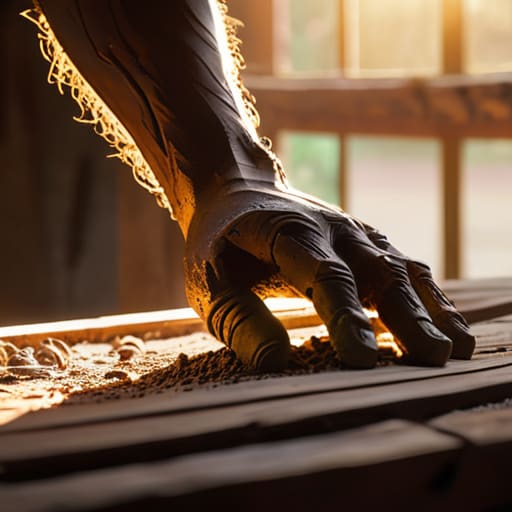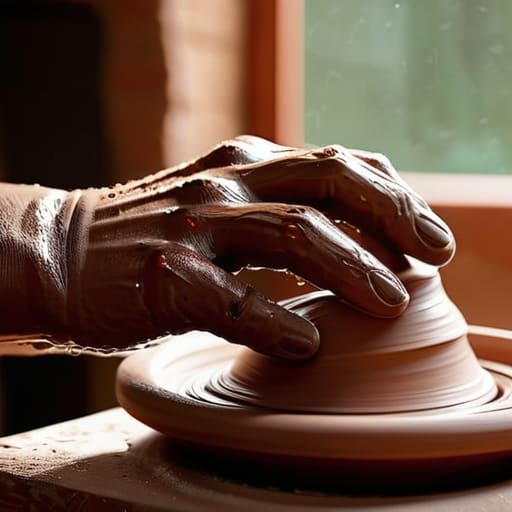
I still remember the first time I sat down at a wheel, my hands caked in grey sludge and my heart racing with the kind of excitement only a new obsession can bring. I thought I needed the most expensive imported stoneware and a studio filled with high-tech gadgets to find my rhythm, but I quickly learned that those are just expensive distractions. In reality, most of the frustration we feel when a piece collapses or warps isn’t about the tools; it’s about the common mistakes in amateur pottery that stem from trying to rush the soul of the clay. My grandmother always told me that you can’t force a shape that isn’t ready, and I realized that learning to listen to the material is far more important than any fancy kiln.
I’m not here to give you a clinical lecture or a list of technical jargon that makes your head spin. Instead, I want to share the hard-won lessons I gathered while getting my own hands dirty, focusing on the honest, messy reality of the craft. We are going to look at the pitfalls that actually matter—the ones that steal your joy—so you can stop fighting the wheel and start dancing with it. Consider this my personal promise to help you turn those frustrating cracks and wobbles into the foundation of something truly beautiful.
The Foundation of Form Mastering Pottery Wheel Centering Techniques
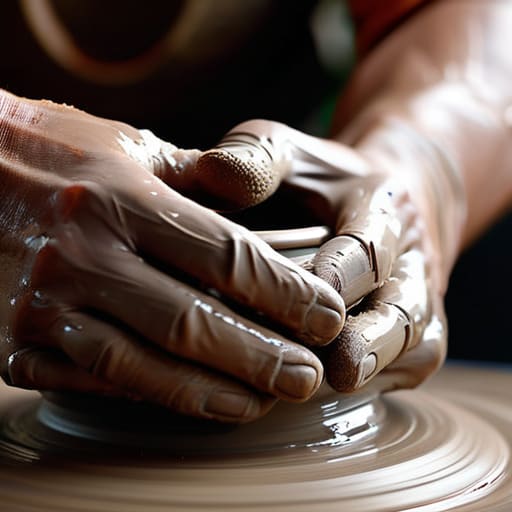
I remember watching my grandmother work with textiles; she always said that if the tension isn’t right in the first stitch, the whole garment will eventually pull apart. Pottery is much the same. You can have the most beautiful vision for a vase, but if you haven’t mastered pottery wheel centering techniques, that vision will wobble and collapse before it ever sees the light of day. It’s a common pitfall to rush this stage, treating it like a chore to get through rather than a meditative dance between your palms and the spinning earth.
When you’re struggling to find that sweet spot, it’s easy to get frustrated and apply too much brute force. But remember, you aren’t fighting the clay; you’re guiding it. If you find yourself fighting a losing battle against a lopsided mound, take a breath and check your setup. Often, what feels like a lack of skill is actually a result of improper clay wedging methods before the clay even touches the wheel. If there are air bubbles trapped deep inside from a rushed wedging session, no amount of centering will save the piece from disaster once it hits the heat.
Whispers of the Earth Avoiding Improper Clay Wedging Methods
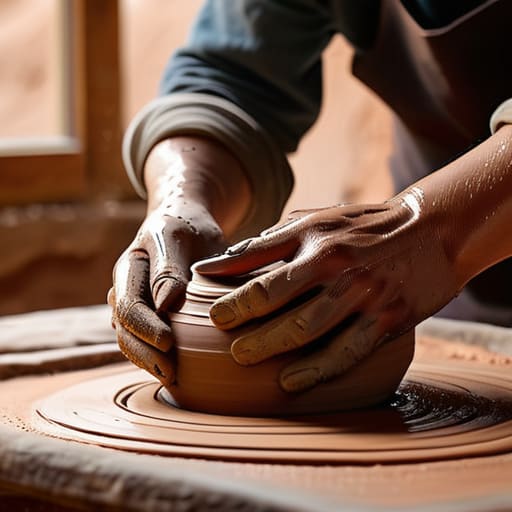
There’s a certain rhythm to the studio that reminds me of the slow, steady pace of my grandmother’s sewing room—a quiet preparation before the real work begins. I’ve often found that many newcomers rush straight to the wheel, eager to see a shape emerge, but they inadvertently skip the most vital conversation: the one between their hands and the raw earth. Using improper clay wedging methods is a heartbreak I’ve witnessed far too often. When we don’t take the time to properly expel those tiny, invisible air pockets, we aren’t just working with clay; we are building tiny time bombs that wait for the heat of the kiln to strike.
I remember one of my first attempts at a large vessel; I was so focused on the aesthetic that I neglected the preparation. When it finally came out of the kiln, it had shattered into jagged shards because of a single trapped bubble. It taught me that true craftsmanship begins in the stillness of the prep work. By mastering a consistent spiral or ram’s head wedge, you aren’t just prepping material; you are ensuring the structural integrity of your story, ultimately preventing clay cracks during drying and ensuring your vision survives the fire.
Finding the Rhythm: Five Lessons in Patience and Precision
- Don’t rush the drying process; I’ve learned the hard way that if you try to force a piece to dry too quickly, it loses its spirit and cracks under the pressure, much like a vintage bicycle frame that’s been neglected for too long.
- Listen to the moisture of your hands, because over-wetting the clay is a trap that leads to collapsing walls; you have to find that delicate balance between being fluid and staying firm, just like finding the right tension in a refurbished spoke.
- Resist the urge to chase perfection in every curve, as an obsession with absolute symmetry often kills the character of the piece; sometimes, the most beautiful stories are told through the slight, intentional imperfections that prove a human hand was there.
- Watch your thickness during the pulling stage, because if you leave one area too heavy and another too thin, the piece will struggle to find its equilibrium in the kiln, much like an old key that’s been filed down too far.
- Be mindful of the “memory” in your clay, remembering that if you bend a piece too sharply while it’s still soft, it will stubbornly try to return to that stressed shape later on, reminding you that every movement leaves a permanent mark.
Embracing the Beautiful Imperfect
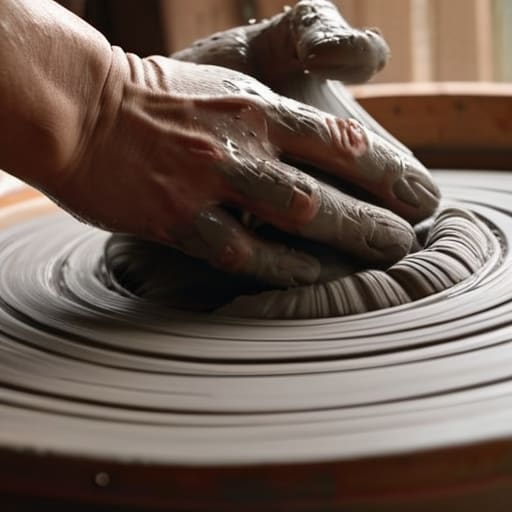
As we’ve explored through these early hurdles, the path to mastery isn’t found in a perfect, flaw-free finish, but in the patience we show during the messy stages. Whether you are struggling to find that elusive center on the wheel or realizing that a bit of air trapped during wedging can lead to a heartbreaking crack in the kiln, remember that these aren’t just errors—they are essential lessons written in clay. Mastering the foundation, from the way you prepare your earth to the way you steady your hands, is what eventually allows your unique vision to take shape without the shadow of structural failure.
I often think about the old, rusted skeleton keys I find in antique shops; they are beautiful precisely because they have survived the friction of time and use. Your pottery is much the same. Don’t let a collapsed rim or a lopsided bowl discourage you from returning to the studio tomorrow. Every mistake is simply a key to a new level of understanding, unlocking a deeper connection between your hands and the medium. So, keep your hands dirty, keep your heart open, and remember that the most soulful pieces often come from the hands that weren’t afraid to fail.
When you finally sit down at the wheel, it’s easy to get lost in the rhythm of the spinning clay, but I’ve learned that true mastery comes from finding those quiet moments of connection outside the studio too. Sometimes, the best way to spark a new creative spark is to simply step away from the dust and find a different kind of human connection to recharge your spirit. I often find that exploring diverse perspectives, much like browsing through a collection of adult chat Halifax, helps clear the mental cobwebs and allows me to return to my workbench with a fresh, inspired outlook that makes the clay feel much more cooperative.