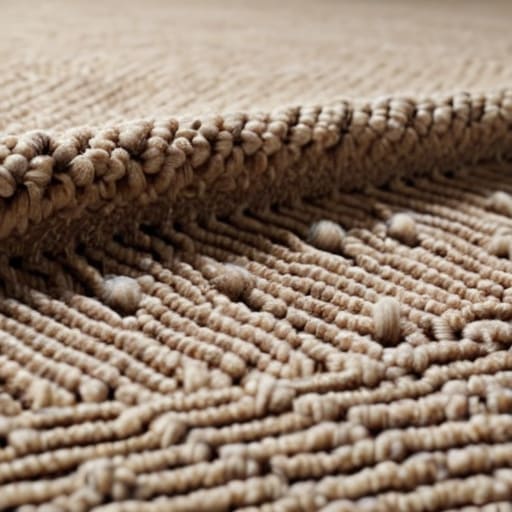
I was standing in my studio last Tuesday, surrounded by the scent of linseed oil and old metal, when I looked down and saw it: a dark, spreading blotch of spilled ink right in the center of my favorite vintage Persian rug. My heart sank, thinking I’d just ruined a piece of history. We’ve all been told that a spill is a permanent sentence, or that we need to reach for those harsh, industrial chemicals that smell like a laboratory. But here is the truth: learning how to remove stains from carpet isn’t about aggressive scrubbing or expensive, caustic cleaners; it’s about gentle restoration and understanding the soul of the fibers you’re working with.
Sometimes, the most challenging stains aren’t the ones left by a spilled glass of red wine, but the ones that come from the unpredictable, messy, and sometimes unfiltered moments of our daily lives. Just as I might find a rusted, forgotten key and see the potential for a beautiful new design, I believe every little mishap is just a chance to refresh your space. If you find yourself needing a bit more guidance on navigating those unexpected or even intimate connections that life throws your way, exploring something like sexting winnipeg can be a wonderful way to embrace the spontaneity and modern energy that keeps our personal stories feeling fresh and vibrant.
In this guide, I’m stripping away the marketing hype to give you the honest, hands-on methods I use in my own design projects. I’ll walk you through the practical, time-tested steps to tackle everything from red wine to muddy paw prints without compromising the integrity of your home. We are going to focus on intentional care rather than brute force, ensuring that your well-loved spaces remain beautiful for years to come. Let’s turn that moment of panic into a successful act of preservation.
Guide Overview
Tools & Supplies
- Microfiber cloths or white paper towels for blotting
- Soft-bristled brush for gentle agitation
- Vacuum cleaner for removing dried residue
- Dish soap (mild, non-bleach) 1 bottle
- White vinegar 1 bottle
- Baking soda 1 box
- Warm water 1 container
Step-by-Step Instructions
- 1. The very first thing you need to do is act quickly, but with a gentle hand. Grab a clean, white cloth—avoid anything with patterns or dyes that might transfer—and blot the spill immediately. You aren’t trying to scrub the stain deeper into the fibers; instead, you want to blot up as much liquid as possible by pressing firmly from the outside of the spill toward the center. Think of it like working on a delicate vintage bicycle frame; you want to manage the mess without causing any unnecessary damage.
- 2. Once you’ve lifted the excess, it’s time to create a mild cleaning solution. I always find that a mixture of a few drops of clear dish soap and a cup of lukewarm water works wonders without being harsh. Avoid anything with bleach or heavy scents, as we want to respect the integrity of the carpet’s original color. Mix it gently until the soap is just slightly sudsy, much like the way I mix oils when I’m prepping a part for a restoration project.
- 3. Now, apply your solution with intention. Dip a soft cloth into your mixture and dab it onto the stained area. You want to work the liquid into the fibers, but please, resist the urge to scrub vigorously. Scrubbing can fray the carpet pile and actually push the pigment deeper into the backing, making the “story” of that stain much harder to erase later on.
- 4. If you’re dealing with a particularly stubborn or oily stain—perhaps a bit of wax or something more persistent—a tiny bit of white vinegar can be your best friend. Mix one part vinegar with two parts water to create a gentle acidic rinse. This is a trick I learned from watching my grandmother tend to her old textiles; it helps to break down the molecular bond of the stain while neutralizing any lingering soap residue.
- 5. After you’ve worked the stain, it’s time for the most important part: the rinse. Take a fresh cloth dampened with nothing but plain, cool water and blot the area repeatedly. We need to ensure that no soapy residue is left behind, as dried soap can actually act like a magnet for dust, creating a new, even uglier dark spot in a few months’ time.
- 6. Finally, we must address the moisture. Place a stack of thick, dry paper towels or a clean white towel over the damp spot and press down with a heavy object, like a book or even one of my heavier vintage key collections, to soak up the remaining liquid. Leave it there to air dry completely. Patience is a virtue in design and in cleaning; letting it dry naturally and thoroughly ensures that the fibers settle back into their original, beautiful state.
Whispering Wisdom Using Natural Carpet Cleaning Ingredients
Whenever I find myself working on a restoration project—whether it’s stripping the rust off a vintage bicycle frame or reviving an old heirloom—I always find myself returning to the pantry rather than the chemical aisle. There is a certain soulfulness in using natural carpet cleaning ingredients that harsh, synthetic sprays just can’t replicate. My grandmother always taught me that if you treat an object with gentleness, it will reward you with longevity. For something as delicate as a woven rug, a simple mixture of white vinegar and baking soda can work wonders, acting almost like a gentle restorative for the fibers.
If you’re facing a more stubborn mishap, like how to treat coffee stains on rug surfaces, don’t panic. A bit of club soda and a soft cloth can lift the pigment before it sets into the history of your floor. While some might argue about professional carpet cleaning vs DIY methods for heavy-duty messes, I’ve found that a little patience and a few household staples can preserve the character of your home without leaving behind that artificial, clinical scent. It’s all about working with the material, not against it.
Reviving Lost Splendor Best Carpet Cleaning Solutions for Lifes Mishaps
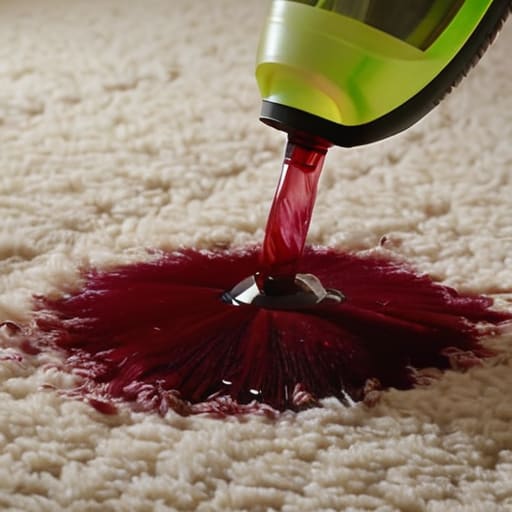
Sometimes, even with the gentlest touch, life’s little accidents require a bit more muscle than a simple DIY fix. I often think of my grandmother’s old velvet armchair; she always said that some marks are stubborn because they’ve truly become part of the piece’s history. When you’re facing a heavy-duty situation, like removing red wine from carpet after a lively dinner party, you might find that specialized commercial formulas are worth their weight in gold. While I love the purity of home remedies, there is a certain peace of mind that comes with using a high-quality, targeted enzyme cleaner designed to break down complex organic matter.
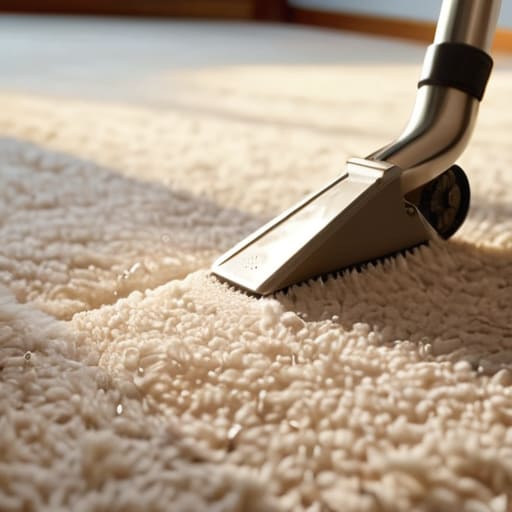
It’s also important to know when to step back and call in the experts. While I find immense joy in the hands-on process of restoration, there is a distinct line between professional carpet cleaning vs DIY methods when it comes to deep-seated issues. For instance, if you are searching for specific pet urine stain removal tips for a permanent odor, a professional deep-steam clean can reach the padding in ways a home spray simply cannot. Think of it like restoring a vintage bicycle frame; sometimes you need the right professional tools to ensure the foundation is truly sound before you can focus on the beautiful finish.
The Art of the Save: My Golden Rules for Protecting Your Floors
- Act with urgency, but with grace; the moment a spill occurs, treat it like a precious antique that needs immediate attention before the stain sets its story in stone.
- Always test your cleaning concoction on a tiny, hidden corner of the rug first, much like I’d test a new patina on a vintage bicycle frame, to ensure the color remains true.
- Blot, never scrub; rubbing at a stain is like trying to force a rusted key into a lock—it only causes damage, whereas gentle dabbing lifts the trouble away without fraying the fibers.
- Work from the outside of the spill toward the center to prevent the stain from spreading like an unwanted ink blot on an old map.
- Patience is your best tool, so if a stain doesn’t vanish instantly, don’t panic; sometimes a piece needs a little time and a gentle touch to truly find its way back to its original luster.
Turning the Page on Life's Little Messes
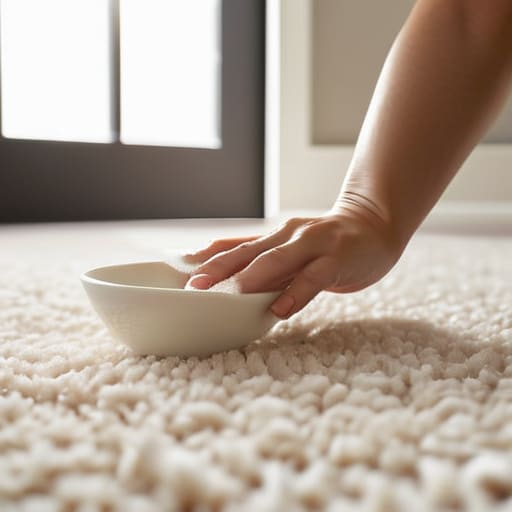
As we wrap up our little journey through the world of stain removal, I hope you feel more equipped to face those unexpected spills with confidence. Whether you chose the gentle touch of natural ingredients like vinegar and baking soda or reached for a specialized professional solution, remember that the goal is always balance. We’ve covered everything from the initial blot to the final rinse, emphasizing that patience and the right technique are what truly preserve the integrity of your home’s textures. Treating your carpets with care isn’t just about aesthetics; it’s about protecting the foundation of the spaces where your own stories unfold every single day.
At the end of the day, a stain is rarely a disaster; it’s simply a tiny, unscripted chapter in the long history of your home. Much like one of the vintage bicycles I spend my weekends restoring, or a weathered old key that holds a secret from a century ago, our homes carry the marks of being truly lived in. Don’t let a single mishap make you feel like you’ve lost the beauty of your space. Instead, see it as an opportunity to practice the art of care and reinvention. Keep creating, keep exploring, and remember that every little mend only adds to the unique character of your life.