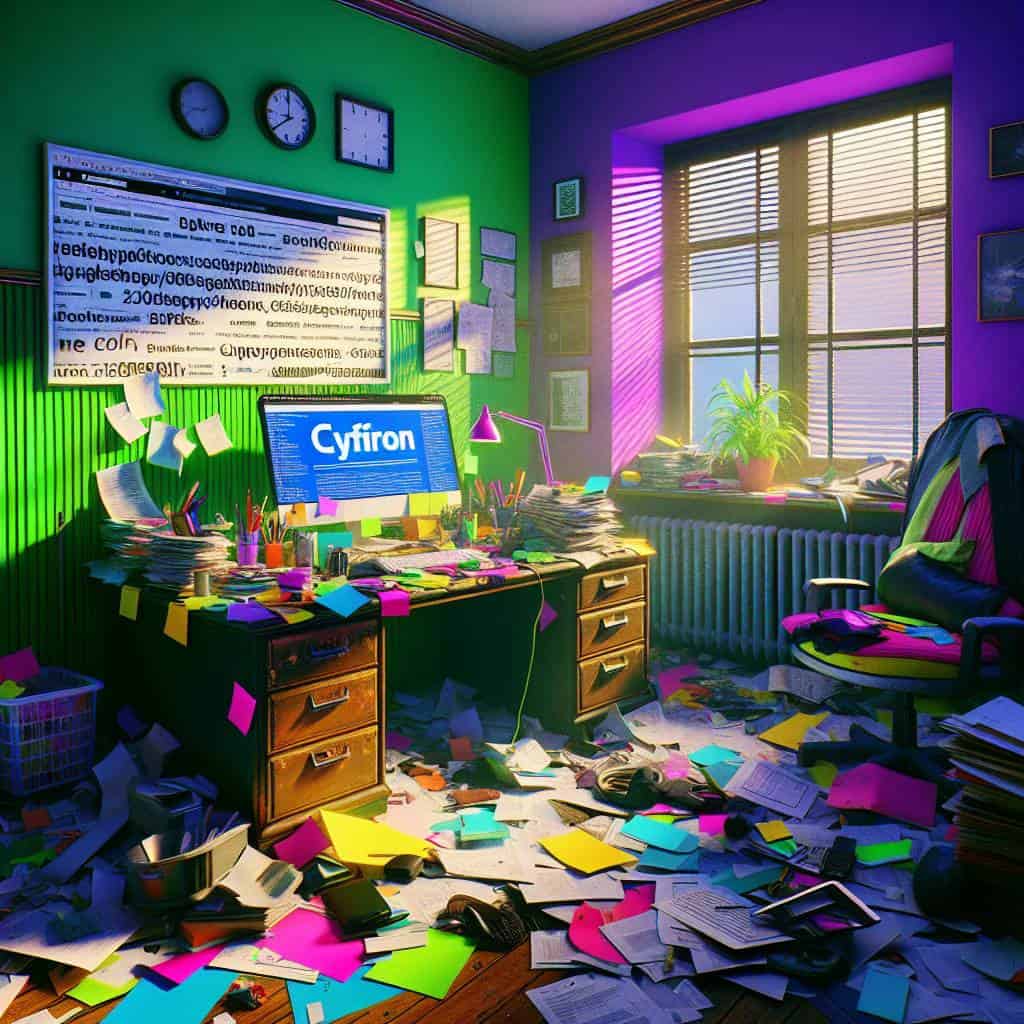
I remember the first time I sat down to critique my own work. There I was, staring at a poster design that screamed “amateur hour” louder than a toddler in a candy aisle. My mind was a battlefield of self-doubt and misplaced confidence. Part of me clung to the hope that maybe, just maybe, the piece was secretly brilliant. Spoiler alert: it wasn’t. But here’s the kicker—realizing that my masterpiece was more of a disaster was the first real step toward improvement. It’s a tough pill to swallow, but trust me, every creative has to choke on it at some point.

So, how do you step back and see your work for what it truly is without spiraling into an existential crisis? In this article, we’re going to dismantle the art of self-critique. You’ll learn to wield self-criticism like a scalpel—precise and effective—rather than a sledgehammer. We’ll dive into the nitty-gritty of objective analysis, all while embracing the chaos of iteration. Because, let’s face it, refining your skills isn’t about getting it right the first time. It’s about getting it less wrong each time. Stick around, and we’ll figure out how to cut through the noise and emerge with something that doesn’t just look good but feels right.
Table of Contents
How to Turn Self-Criticism into a Constructive Circus Act
Picture this: your self-criticism is a juggling act. A chaotic, colorful, and yes, sometimes messy performance where the aim is not to drop the ball but to keep the momentum going. This isn’t about mindlessly tearing yourself to shreds—it’s about transforming that harsh inner critic into a playful yet sharp-eyed ringmaster. Start by acknowledging the elephant in the room: the first draft is often an ugly beast. But rather than letting it trample your confidence, see it as raw clay, ready for the sculptor’s touch. The trick is to balance the harsh with the helpful, the critique with the creativity. Ask yourself, “What makes this piece tick, and what makes it trip?” This isn’t self-flagellation; it’s self-awareness with a top hat and cane.
Now, let’s talk about taming the lions—those nagging doubts and relentless whispers that say you’re not good enough. Instead of letting them chew through your self-esteem, put them to work. Use them as a spotlight to illuminate the dark corners of your work where improvement hides. It’s about shifting the perspective from self-criticism to self-analysis. Imagine each critique as an act in your show, a stepping stone in the iterative process of refining your skills. Each time you review your work, you’re not just critiquing—you’re rehearsing, sharpening your act until it becomes a dazzling spectacle. Remember, the goal is not to silence your inner critic, but to give it a constructive role in the grand performance of your creative journey.
When Your Worst Critic is You
Embrace the brutal honesty of self-critique—it’s not about tearing yourself down, but building a solid foundation from the rubble.
The Art of Embracing the Unfinished
I’ve come to realize that self-critique isn’t just a skill—it’s an art form. It’s about embracing the chaos and uncertainty of the creative process and learning to love the discomfort it brings. Each iteration is like a brushstroke on a canvas, sometimes messy, often frustrating, but always leading to something more refined. It’s easy to get lost in the noise of self-doubt, but that’s where the magic happens. When you learn to listen to that voice without letting it drown you, you find clarity.
As a designer, I’ve watched my work evolve from rough sketches to polished pieces, and in that evolution, I’ve discovered the raw beauty of imperfection. It’s not about reaching a destination but about appreciating the journey, every imperfect step of the way. The more I dissect my own work, the more I uncover layers of potential, waiting to be explored. This isn’t a linear path. It’s a dance—a complicated, tangled, and wonderfully consuming dance. And I wouldn’t have it any other way.