I once found myself staring at a design so tangled with elements, it could’ve been mistaken for a toddler’s crayon masterpiece on a caffeine high. A client, bless their heart, thought more was more, and I was left wrestling with a visual cacophony that screamed louder than a rock concert in a library. It was then that I realized the unsung hero of design—negative space—was my only ally. The absence of clutter, those blank expanses, were the only things keeping sanity intact amidst the chaos. And maybe my client didn’t get it at the time, but I saw it clear as day: sometimes, the loudest message is the one you don’t blurt out.
But enough about my design catastrophes. Let’s dig into why those empty spaces you’re tempted to fill are actually the backbone of compelling design. We’re diving into the art of restraint and how negative space isn’t just about clean aesthetics—it’s about wielding focus and balance like a pro. Expect a journey through the subconscious brilliance of white space, how it shapes composition, and why your layouts might just need a little less ‘stuff’ and a lot more breathing room. Ready to see the invisible force that can elevate your work from cluttered chaos to serene genius? Let’s get started.
Table of Contents
When White Feels Like a Hug: Finding Comfort in Emptiness
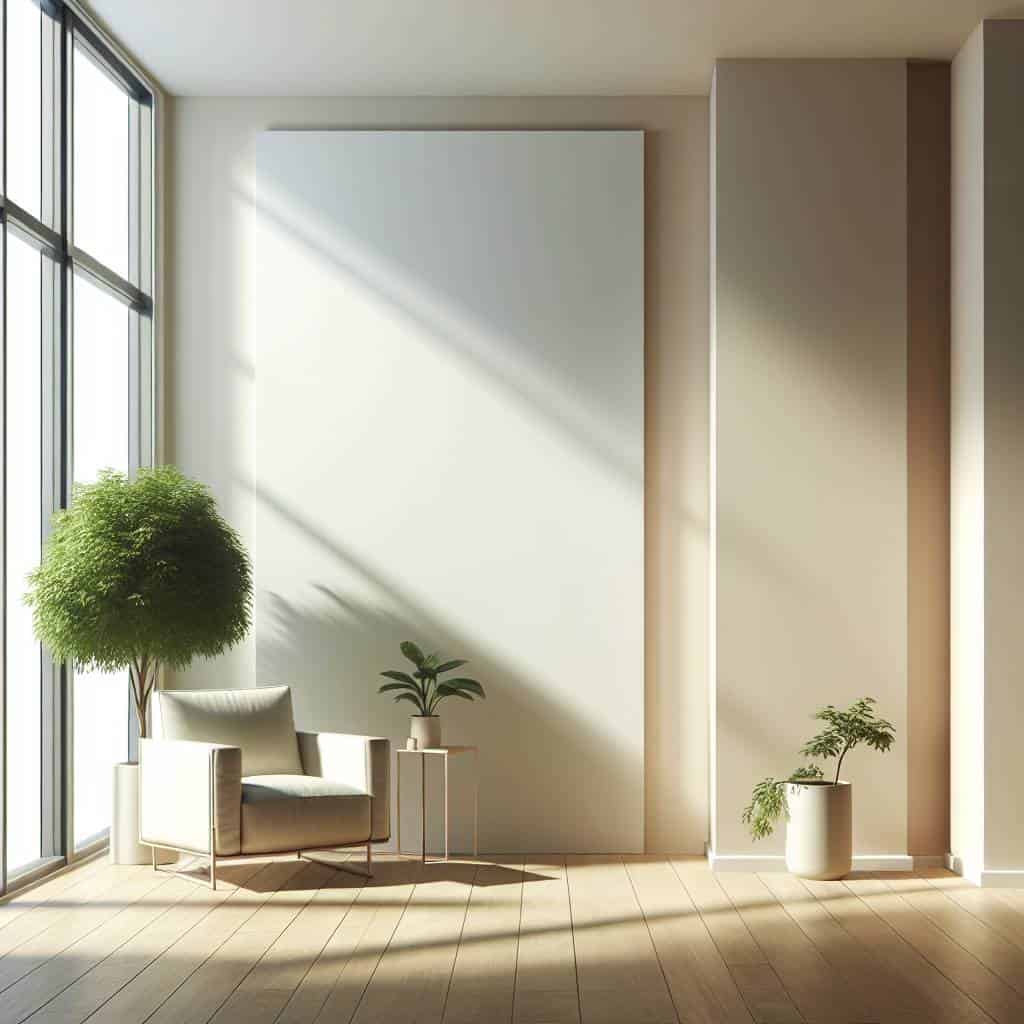
Ever sat in a room painted pure white? There’s a reason it feels like a breath of fresh air, a moment of stillness in a world that won’t stop spinning. White, often dismissed as the absence of color, is the unsung hero of design. It’s the silent partner that lets the rest of the room speak. A blank canvas is not an empty threat but a powerful invitation. It’s that pause in a conversation where you’re free to think, to breathe, to just be. In design, negative space isn’t a void; it’s where the magic happens. It cradles the chaos, giving it structure and meaning. Like a well-timed hug, it reassures without suffocating.
When I lay out a design, it’s not just about what I put in—it’s about what I leave out. White space is the unsung hero that lets your eyes rest and your mind wander. It’s that graceful exhalation in a symphony, the moment of silence that makes the notes worth hearing. Clean design isn’t just aesthetically pleasing; it’s a form of respect. Respect for the viewer’s attention, for their time, for their need to find clarity amidst clutter. By embracing emptiness, we allow focus to sharpen, clarity to emerge, and the message to resonate. In a world obsessed with more, sometimes it’s the absence that says it all.
The Art of Absence
In design, it’s the emptiness that whispers while the rest of the layout screams. Negative space isn’t just a void; it’s where clarity finds its voice.
The Art of Breathing in Design
Negative space isn’t just an element of design; it’s the unspoken hero of clarity. In the bustling chaos of my creative world, where colors and lines compete for attention, these moments of ‘nothing’ become everything. They allow my work to breathe, to find its own rhythm amidst the noise. It’s in these blank spaces that I find solace, where my mind wanders and discovers new ideas. It’s like a deep breath—a pause that refreshes the soul and invigorates the spirit.
But let’s be real, embracing emptiness isn’t always easy. It challenges you to resist the urge to fill every corner with clutter, to let go of the fear that something might be missing. Yet, when I do, I find that my compositions tell a more powerful story. Negative space is my silent partner, my co-creator in crafting a narrative that speaks beyond the obvious. And in that silence, I realize that sometimes, the most profound expressions are those that whisper rather than shout.