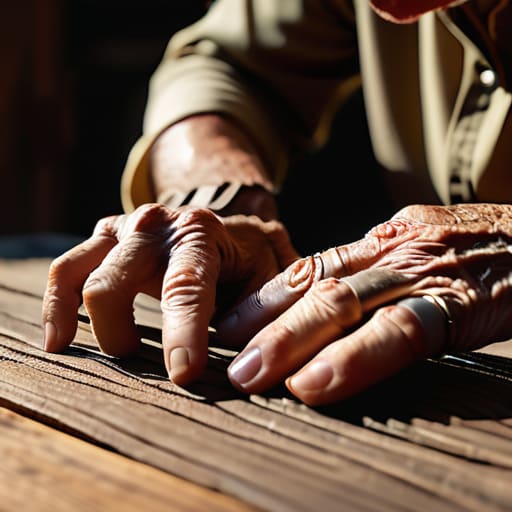
I remember sitting on the creaky floorboards of my grandmother’s attic, surrounded by the scent of cedar and aged paper, trying to capture the way the afternoon light hit a rusted, skeleton key I’d just found. I had the most expensive camera a beginner could dream of, but my shots felt hollow, like a beautifully restored bicycle with no soul in its frame. I realized then that you can own all the gear in the world, but if you don’t understand the basics of composition in photography, you’re just collecting expensive glass. It’s a common myth that high-end lenses do the heavy lifting for you, but the truth is, composition is the heartbeat of the image, not the equipment.
I’m not here to drown you in technical jargon or academic theories that feel disconnected from real life. Instead, I want to share how you can arrange the elements of a scene to tell a story that resonates, much like how I might place a vintage heirloom in a room to spark a conversation. We’re going to dive into the art of intentionality, focusing on practical, hands-on ways to frame your world. My promise to you is simple: no hype, just honest, creative guidance to help you find the hidden narratives waiting to be captured.
The Rule of Thirds Explained Finding Harmony in the Unbalanced
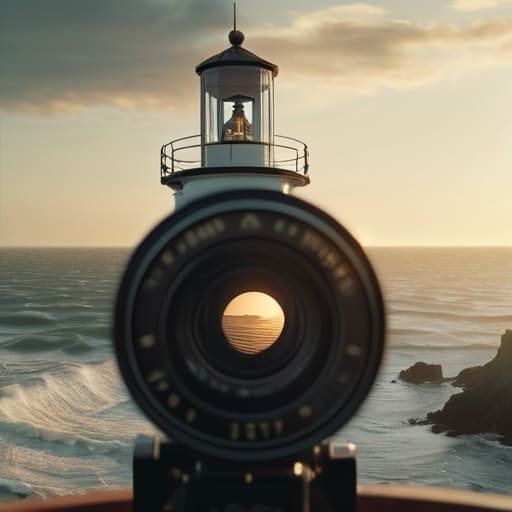
Think of your viewfinder like an old, weathered map; you aren’t just looking for a subject, you’re looking for where the story settles. When we talk about the rule of thirds explained, it’s less about following a rigid mathematical formula and more about finding that sweet spot where an image breathes. Imagine your frame divided by two horizontal and two vertical lines, creating a grid of nine equal squares. Instead of placing your subject dead center—which can sometimes feel a bit static, like a portrait in a dusty hallway—try placing your focal point along one of those lines or at their intersections.
By shifting your subject off-center, you invite the eye to wander, creating a sense of dynamic movement that feels much more alive. This technique allows you to utilize negative space usage to give your subject room to “breathe,” much like how I might leave space around a vintage skeleton key on a reclaimed wood tabletop to let its character shine. It’s about creating a tension that feels intentional and harmonious, rather than just centered and still. When you master this, you aren’t just taking a picture; you’re composing a moment.
Leading Lines in Photography Tracing the Paths of Forgotten Stories
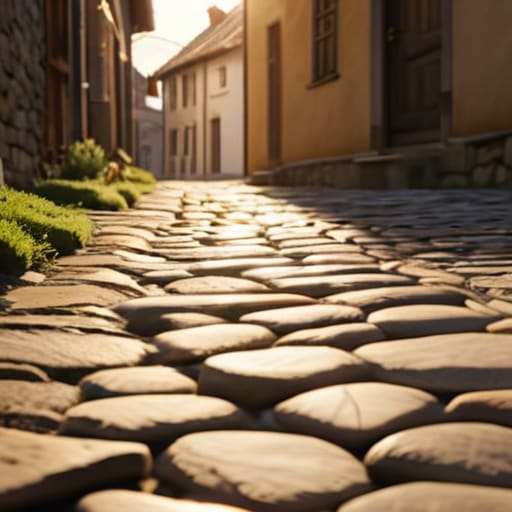
Think of your camera lens as a way to guide a traveler through a landscape of memory. When I’m out exploring old cobblestone streets or wandering through a dusty antique warehouse, I’m always looking for those subtle paths that pull my eyes forward. This is the magic of leading lines in photography; they act like the winding trail of a story, pulling the viewer’s gaze from the foreground directly toward the heart of your subject. Whether it’s a weathered wooden fence, a row of vintage bicycles, or even the long, elegant shadow cast by an old iron gate, these lines create a sense of movement that feels intentional and alive.
It isn’t just about pointing a camera at a straight road, though. Sometimes, the most powerful lines are the ones that feel almost accidental—the curve of a rusted key resting on a velvet cloth or the way light spills across a floorboard. When you master this, you aren’t just taking a picture; you are curating a journey for the person looking at it. By using these lines to connect different elements, you bridge the gap between simple observation and true emotional connection, turning a static image into a living narrative.
Unlocking the Frame: Five Ways to Find the Heart of Your Subject
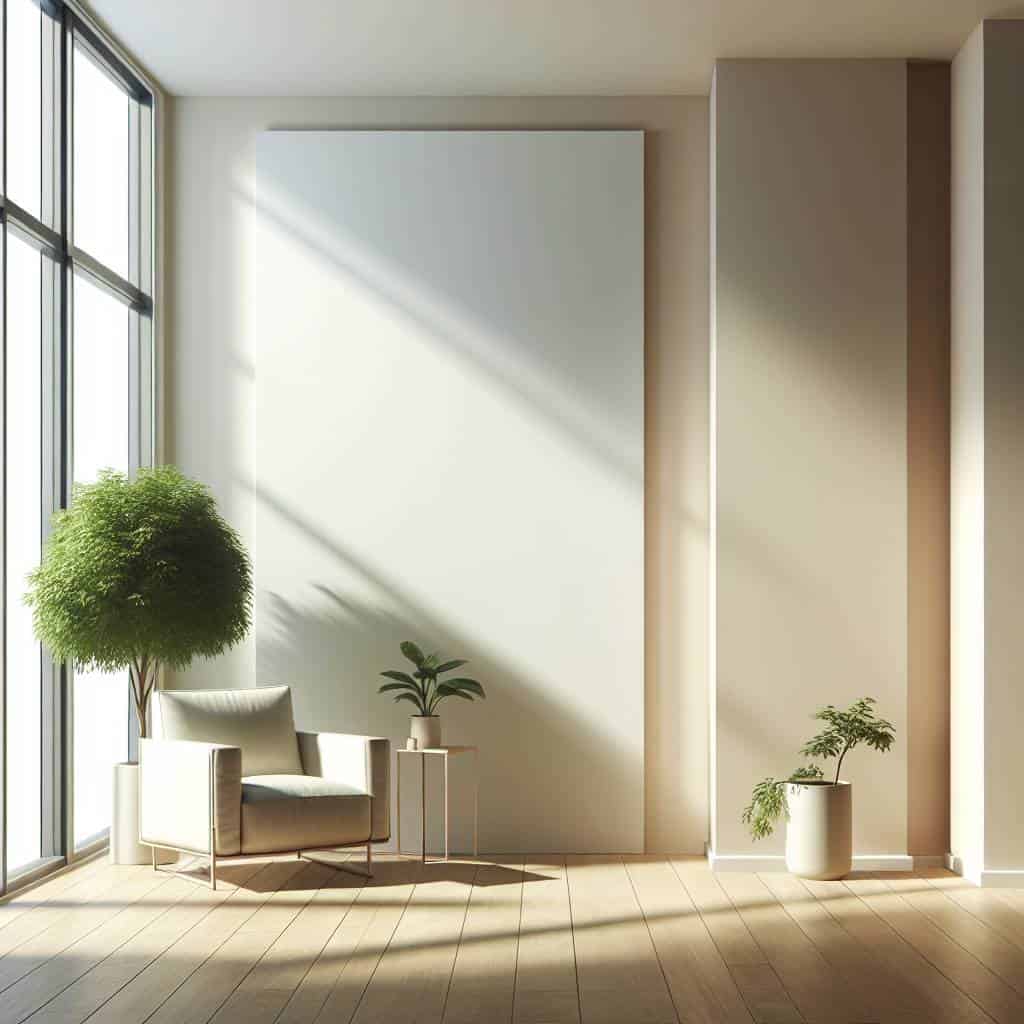
- Embrace Negative Space: Don’t feel like you have to crowd your frame with detail. Much like the quiet, empty corners of an old attic that hold so much character, leaving room around your subject allows it to breathe and gives the viewer’s eye a place to rest and reflect.
- Layering for Depth: Think of your photo like a beautifully curated antique cabinet; you want layers. By finding a foreground element—perhaps some weathered leaves or a textured stone—you pull the viewer into the scene, turning a flat image into a three-dimensional journey.
- Seek Out Natural Frames: I love using doorways, archways, or even the overhanging branches of an old oak tree to frame a shot. It’s just like finding a beautiful, ornate keyhole; it directs the gaze and adds a sense of discovery to whatever lies within.
- Play with Symmetry and Patterns: While we often look for the “unbalanced” harmony, there is a profound, quiet beauty in repetition. Look for the rhythmic pattern of a brick wall or the perfect reflection in a still pond—it’s the visual equivalent of a well-organized collection of vintage trinkets.
- Change Your Perspective: We spend so much of our lives seeing the world from eye level, but the real magic happens when you crouch down low or find a high vantage point. Don’t be afraid to get your hands a little dusty; sometimes the most soulful stories are hidden in the angles we usually walk right past.
Unlocking Your Creative Vision

As we pull these threads together, remember that composition isn’t about following a rigid set of rules like a strict blueprint; it’s more about understanding the rhythm of the frame. We’ve explored how the Rule of Thirds can create a sense of natural balance and how leading lines act as invisible paths, guiding a viewer’s eye through the narrative you’re trying to build. Just like when I’m stripping down an old, rusted bicycle frame to reveal the gleaming steel beneath, these techniques allow you to peel back the layers of a scene to find its true structural soul. By mastering these basics, you aren’t just taking a picture; you are intentionally arranging the elements of a moment to ensure the story is told exactly how you feel it.
Ultimately, my hope is that you step away from the screen and out into the world with a fresh set of eyes. Don’t be afraid to break the rules once you understand them—sometimes the most beautiful stories are found in the unexpected imperfections. Think of your camera like one of my old skeleton keys; it is a tool designed to unlock doors to new perspectives that others might simply walk past. So, go out there, embrace the beautiful chaos of the world, and start composing your own masterpiece, one frame at a time.
As you begin to experiment with these visual paths, I often find that the best way to sharpen your eye is to immerse yourself in the energy of a new environment. Sometimes, stepping outside your comfort zone and into the vibrant, unpredictable pulse of a bustling city can provide that sudden spark of unexpected perspective you need to see a frame differently. If you find yourself wandering through the urban landscape looking for that raw, authentic connection to your surroundings, exploring local connections through london ontario hookups can be a wonderful way to truly feel the heartbeat of a place, allowing you to capture the genuine human stories that make a photograph feel alive.