I remember sitting on my grandmother’s sun-drenched porch, the scent of old cedar and lavender thick in the air, watching her meticulously stitch a quilt that seemed to hold a century of memories. She used to say that you don’t just see a pattern; you feel the history behind every thread. I think we often lose that connection when we approach art, getting bogged down by the idea that there is only one “correct” way to capture the world. People tend to get paralyzed by the technical jargon, thinking they need a studio full of expensive oils to master different approaches to landscape painting. But honestly? That’s just noise. Whether you’re working with a weathered palette knife or a delicate brush, the goal isn’t perfection—it’s storytelling.
In this guide, I’m stripping away the pretension to talk about what actually matters: how you connect with the scene in front of you. I’m going to walk you through several different approaches to landscape painting, from the raw, sweeping energy of impressionism to the quiet, structured soul of realism. My promise to you is simple: no gatekeeping and no fluff. We’re going to explore how to find your own creative voice so that every stroke you make feels as intentional and meaningful as a hand-forged key unlocking a long-forgotten door.
The Truth in the Details Realism vs Abstraction in Landscapes
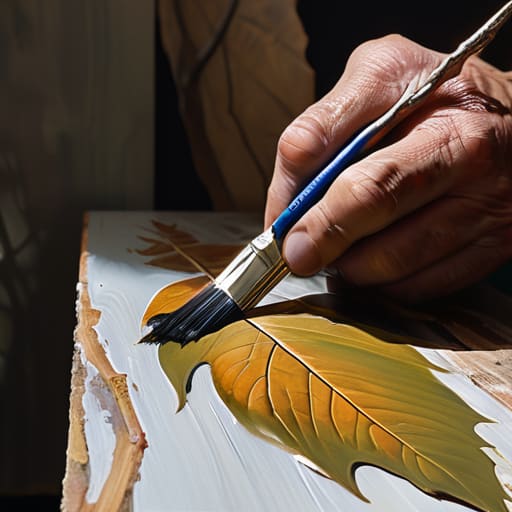
When I’m hunched over my workbench, meticulously cleaning the gears of a 1950s road bike, I’m focused on every tiny, mechanical detail. In many ways, that’s how I approach the debate of realism vs abstraction in landscapes. Realism is like that vintage bicycle—it’s about honoring the exact mechanics of the world, capturing the precise way light hits a leaf or the specific texture of weathered bark. There is a profound, quiet dignity in trying to replicate reality, ensuring that every brushstroke serves as a faithful record of a moment in time.
However, I’ve learned through my own design work that sometimes, the feeling of a place is more important than its literal blueprint. This is where the magic of impressionist landscape painting styles comes into play. Instead of obsessing over every blade of grass, you might lean into the movement of the wind or the hazy warmth of a summer afternoon. It’s less about what your eyes see and more about what your heart remembers. Whether you choose the precision of a fine-tipped brush or the bold, sweeping gestures of a palette knife, remember that you aren’t just painting scenery—you’re capturing a soul.
Breathing Life Into Light Impressionist Landscape Painting Styles
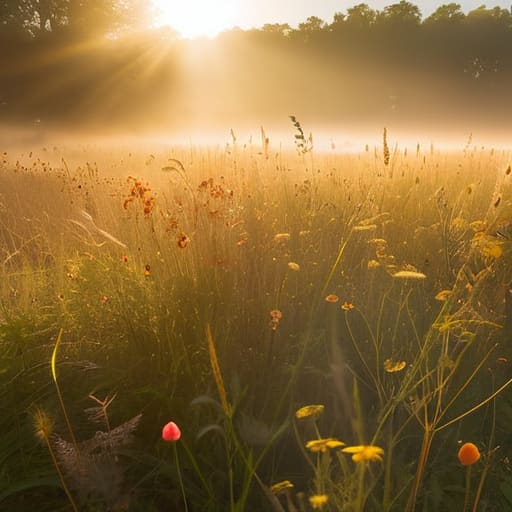
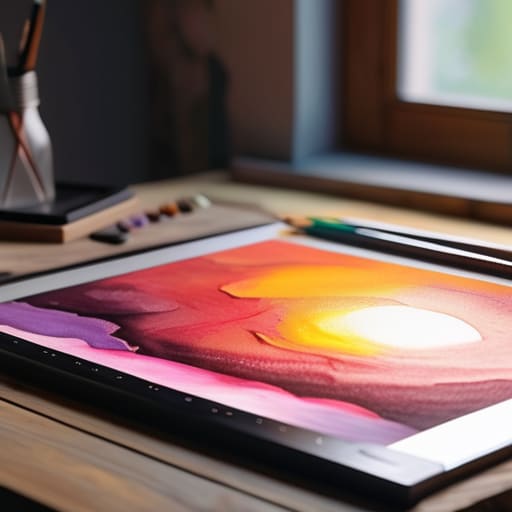
If realism is about capturing the precise architecture of a scene, then Impressionism is about capturing its heartbeat. I’ve always felt that light is much like the patina on an old brass key—it’s fleeting, shifting, and tells a story that changes with every passing hour. When we dive into impressionist landscape painting styles, we aren’t trying to document every leaf or blade of grass. Instead, we are chasing that momentary shimmer of sunlight hitting a meadow or the soft, hazy glow of a sunset. It’s less about the “what” and more about the feeling of the light itself.
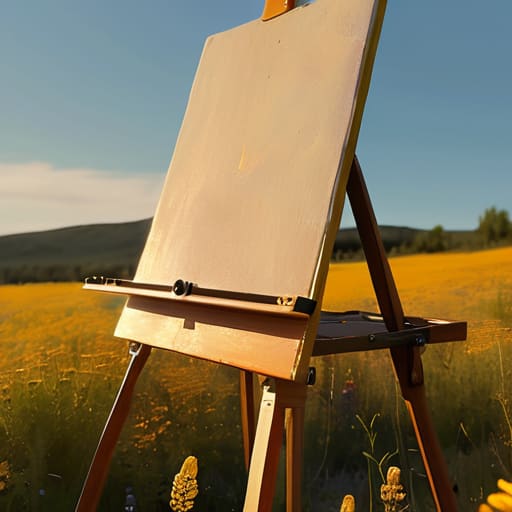
To truly master this, I often find myself leaning into plein air painting techniques, taking my easel out into the world to catch the sun before it moves. There is a certain magic in working outdoors; you learn to prioritize quick, broken brushstrokes and a vibrant sense of color over rigid structure. It’s a beautiful way to move away from the strictness of realism vs abstraction in landscapes and find a middle ground where the atmosphere becomes the main character. By focusing on how light dances across a surface, you aren’t just painting a view—you’re capturing a memory.
Finding Your Rhythm: Five Ways to Let the Landscape Speak Through Your Brush
- Embrace the “Found Object” Mentality: Just like when I’m scouring an antique shop for a weathered brass key, don’t feel pressured to paint every leaf perfectly. Sometimes, the most soul-stirring landscapes come from capturing a single, striking shape or a peculiar texture rather than a photographic replica. Let one “found” detail anchor your entire piece.
- Layer Your History: I often think of painting like restoring a vintage bicycle; you can’t just slap on a coat of paint and call it a day. Start with a messy, atmospheric underpainting to establish your mood, then build your layers upward. This creates a sense of depth and “history” within the canvas that a single flat layer simply can’t mimic.
- Chase the Golden Hour, Not Just the Light: We often talk about lighting, but I want you to think about the feeling of the time of day. Are you painting the nostalgic, honey-hued glow of a late afternoon in a small town, or the cool, mysterious shadows of a misty morning? Choose an approach that prioritizes the emotional temperature of the scene.
- Don’t Fear the “Scrap” Marks: In my design work, I love the character found in imperfections. In landscape painting, your “mistakes”—a stray brushstroke or a smudge of unexpected color—can become your greatest assets. Instead of smoothing them away, lean into them. They add a human touch that makes a landscape feel lived-in and authentic.
- Curate Your Palette Like a Collection: Instead of using every color in your kit, try limiting yourself to a specific “curated” palette for a piece. Much like how I select specific vintage keys to complement a custom design, choosing a tight, harmonious color story will give your landscape a cohesive, intentional narrative that pulls the viewer right into the scene.
Finding Your Own Path Through the Canvas
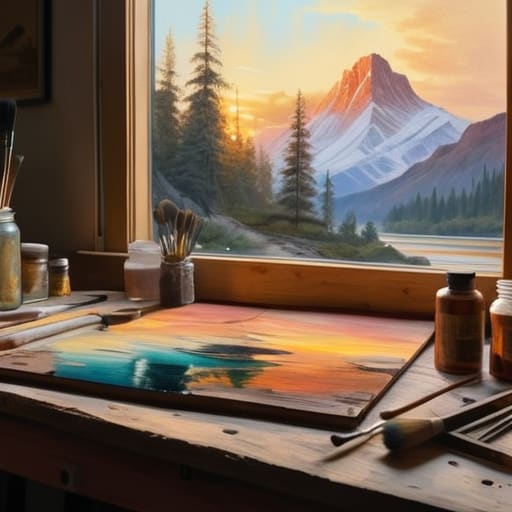
Whether you find yourself drawn to the meticulous precision of realism or the dancing, light-filled strokes of an impressionist piece, remember that there is no single “correct” way to interpret the world before you. We’ve explored how abstraction can strip a scene down to its emotional essence, while impressionism allows us to capture the fleeting magic of a sunset. Much like when I’m scouring an old antique shop for a piece of history to restore, the goal isn’t just to replicate what is already there, but to understand the soul of the subject. Each technique offers a different lens, a different way to translate the vastness of nature into something we can hold in our hands and feel in our hearts.
As you pick up your brush, I encourage you to stop worrying about perfection and start focusing on the story you want to tell. Every landscape is a bit like one of my old, rusted keys; it might look weathered or complicated at first glance, but once you find the right way to turn it, it unlocks a world of possibility. Don’t be afraid to experiment, to smudge a line, or to let the colors bleed together in ways you didn’t intend. Your perspective is your greatest tool, so use it to breathe new life into the scenery and find the beauty in your own unique way of seeing.
As you begin to navigate these different styles, I’ve found that the most important tool isn’t a specific brush or a rare pigment, but rather the courage to trust your own intuition. Sometimes, when the creative process feels a bit overwhelming or you find yourself stuck in a loop of self-doubt, it helps to step away from the canvas and find a different kind of connection or conversation to clear your head. I often find that exploring this chat site provides a unique way to engage with new perspectives, which can be just as refreshing as a walk through an old antique market. Finding that mental spark is what truly allows you to return to your landscape with the clarity needed to turn a simple sketch into a living, breathing story.