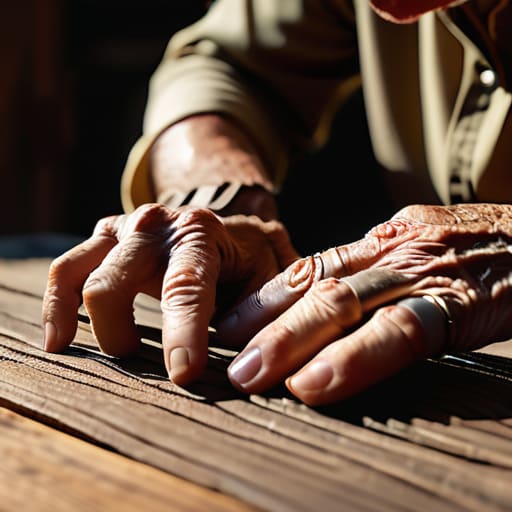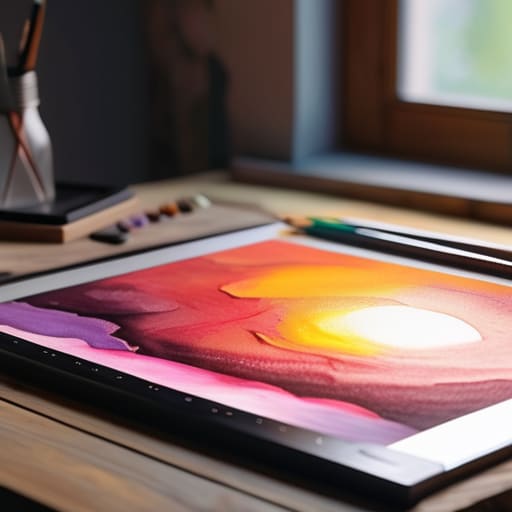
I remember sitting at my grandmother’s scarred oak kitchen table, the scent of cedar and old paper thick in the air, as she showed me how to shade with a simple charcoal stick. There was a visceral, almost sacred connection between my hand and the grain of the paper. Fast forward to my studio today, and I’m often caught between that tactile nostalgia and the sheer, limitless efficiency of a high-end tablet. It’s a tug-of-war that every modern creator feels: are we losing the soul of the craft when we trade graphite for pixels? When it comes to comparing analog versus digital drawing methods, it often feels like you’re being forced to choose between the heartbeat of tradition and the convenience of the future.
While we’re navigating this delicate balance between the grit of charcoal and the precision of a pixel, I often find that the most important part of the process is finding a space where you can truly unwind and explore your creative impulses without judgment. Sometimes, the best way to spark a new idea isn’t by staring at a blank canvas, but by stepping away from the studio and connecting with the world in ways that feed your curiosity. I’ve found that finding a little bit of unexpected connection, much like discovering a hidden gem in an old antique shop, can be the perfect way to reset your perspective; if you’re looking for a way to embrace that sense of spontaneous discovery, you might enjoy exploring https://adultchatusa.com to see where a bit of human connection might lead your inspiration.
But here is my promise to you: I’m not interested in telling you which one is “better” or following the hype of the latest software update. Instead, I want to pull back the curtain on how both mediums actually feel when you’re deep in the creative flow. I’ll be sharing my honest, hands-on perspective on where the magic truly lives, helping you decide which tool will best unlock your unique creative voice.
The Tactile Grace of Analog Drawing
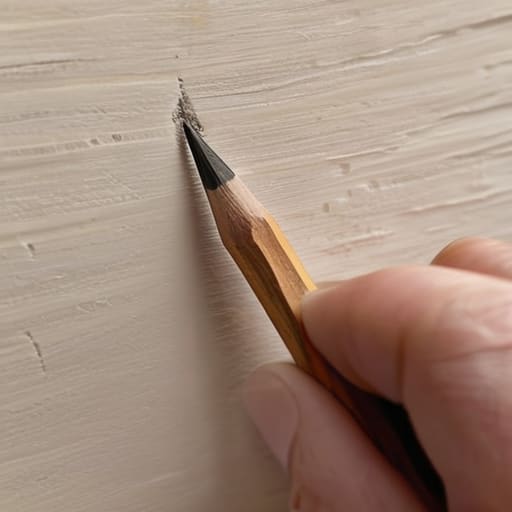
Analog drawing is the traditional practice of creating art using physical media like graphite, charcoal, or ink on a tangible surface. At its core, this method relies on the direct, unmediated contact between your hand and the material, offering the primary advantage of instant, sensory feedback that requires no power source or software updates. When you are comparing analog versus digital drawing methods, the analog approach stands alone in its ability to provide a physical resistance that guides the artist’s hand.
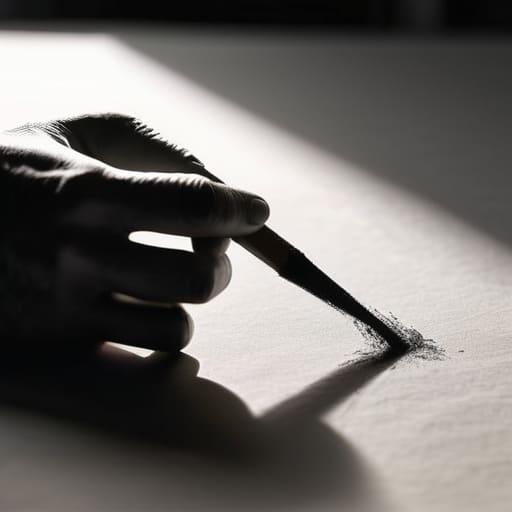
For me, there is something deeply grounding about the way a piece of willow charcoal leaves a dusty trail across a heavy sheet of cream-colored paper. It reminds me of the afternoons I spent in my grandmother’s sunlit studio, watching her hands dance across fabric; it’s a connection to the physicality of creation that a screen simply cannot replicate. There is a beautiful, unpredictable soul in the way a smudge happens or how a pencil grain catches the tooth of the paper, making every stroke feel like a living conversation between the artist and the medium.
The Infinite Horizon of Digital Drawing
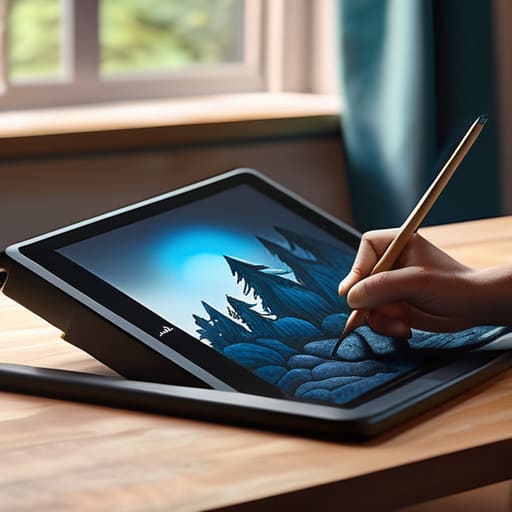
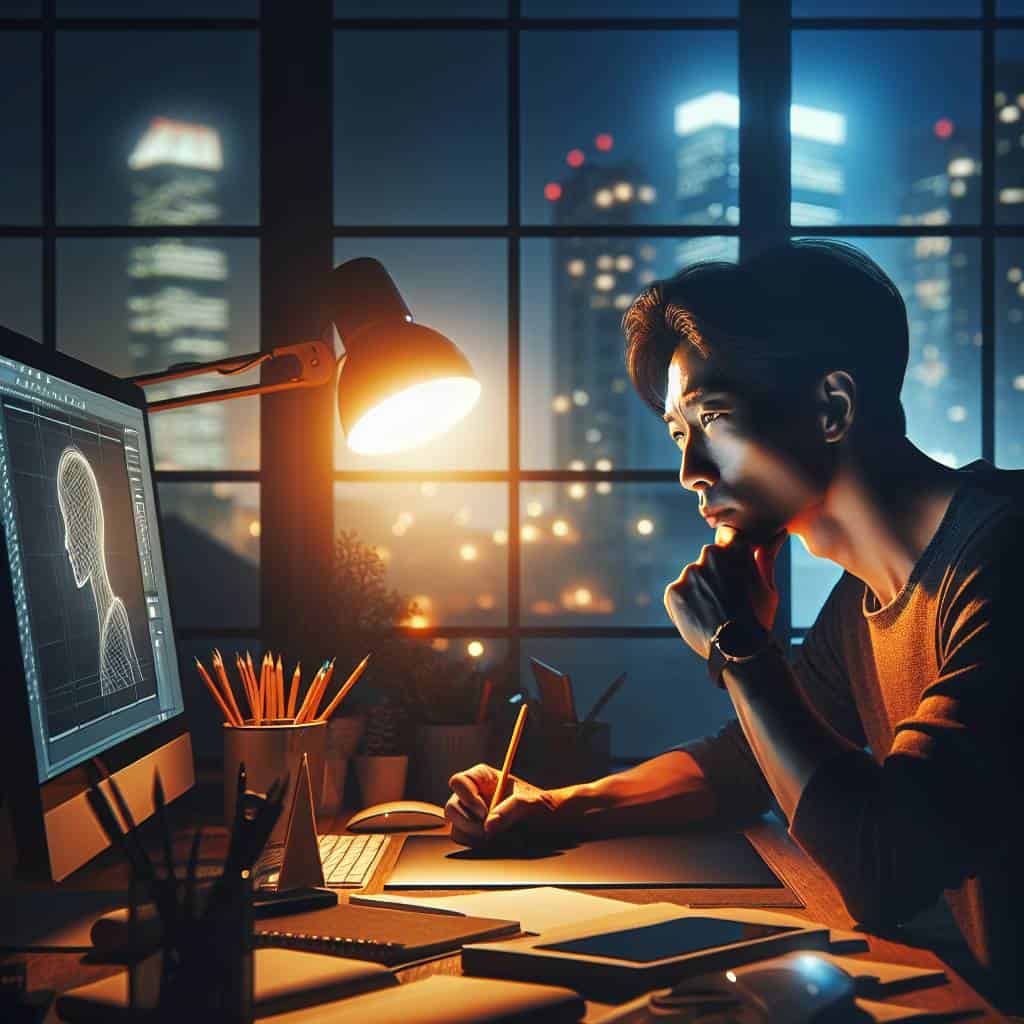
Digital drawing is a modern method of artistic creation that utilizes specialized hardware, such as tablets and styluses, to mimic traditional techniques within a virtual environment. This process operates through sophisticated software algorithms that translate pressure and tilt into precise digital strokes, with its greatest selling point being the limitless flexibility of undoing mistakes and layering complex elements without wasting a single sheet of paper.
While I will always cherish my collection of vintage skeleton keys for their weight and history, I can’t deny the sheer magic of a digital canvas. It feels a bit like having a limitless workshop tucked inside a slim device, where you can experiment with colors that haven’t even been invented yet or scale a sketch from a tiny thumbnail to a massive mural in seconds. It offers a sense of fearless exploration, allowing us to push the boundaries of our imagination without the fear of ruining a precious, one-of-a-kind piece of parchment.
Comparison of Analog vs. Digital Drawing Methods
| Feature | Analog Drawing | Digital Drawing |
|---|---|---|
| Primary Medium | Physical tools (paper, ink, paint) | Software and hardware (tablet, stylus) |
| Error Correction | Requires erasing or restarting | Undo/Redo commands and layers |
| Initial Cost | Low to moderate (supplies) | High (device and software) |
| Tactile Feedback | High (texture and resistance) | Low to moderate (screen feel) |
| Portability | Requires physical storage | High (stored on devices) |
| Final Output | Unique physical original | Infinite digital copies |
| Best For | Traditional art and sensory experience | Commercial art and rapid iteration |
The Tactile Sensation of Pencil on Paper and Traditional Pros and Cons
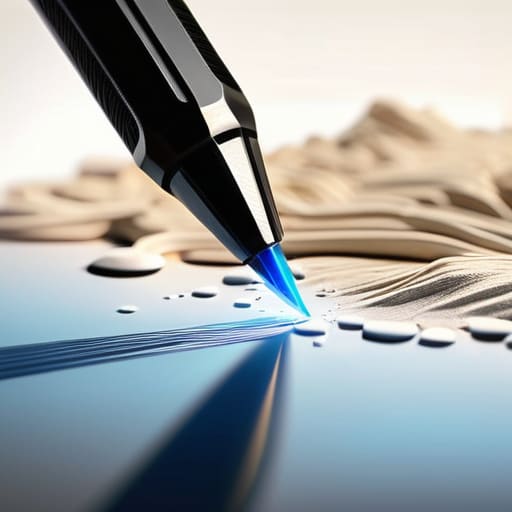
There’s a certain magic in the physical resistance of a surface that a glass screen just can’t mimic. When we talk about drawing, we aren’t just talking about lines; we’re talking about the sensory dialogue between the artist and their tools. This tactile connection is often the deciding factor for creators who feel “stuck” behind a screen, as it grounds the entire creative process in the physical world.
When you lay a graphite pencil to a heavy, toothy paper, you feel every microscopic ridge. There is a rhythmic, scratchy soul to it—a way the lead breaks or smudges under your palm that feels incredibly honest and unscripted. On the flip side, digital drawing offers a frictionless glide. While tablets have made strides with textured screen protectors, there is still an underlying sense of separation from the medium. You aren’t moving material; you’re moving signals.
In the practical realm, analog offers an irreplaceable sensory feedback loop that can spark sudden inspiration, though it lacks the “undo” safety net. Digital provides endless perfection, but often at the cost of that primal, gritty connection. For this specific battle of the senses, the analog method takes the win. Nothing compares to the heartbeat of a pencil on paper.
Digital Illustration Software Benefits and the Magic of the Undo Button
While I’ll always have a soft spot for the permanent, unyielding nature of ink, we can’t ignore how digital tools have fundamentally changed our creative bravery. The ability to experiment without the fear of ruin is a massive psychological shift in how we approach a blank canvas.
In the analog world, a single stray mark can feel like a heartbreak, forcing you to either live with the mistake or start the entire piece from scratch. There is a weight to every stroke when you know it’s final. Digital software, however, offers a kind of safety net that is almost intoxicating. With a quick tap of the undo button, a “mistake” simply ceases to exist, allowing you to push your boundaries further than you ever would with a physical brush.
This efficiency is a game-changer for rapid prototyping and complex layering. While the analog method demands a certain disciplined mindfulness, digital illustration provides an endless playground of trial and error. When it comes to the sheer freedom of experimentation and the relief of a “do-over,” the digital realm takes the win hands down.
Finding Your Own Creative Rhythm
As we’ve explored, neither the graphite smudge on your palm nor the glowing precision of a tablet is inherently superior; they simply offer different languages for your soul to speak. While analog methods provide that irreplaceable, visceral connection to the medium and a sense of permanence, digital tools grant us the freedom to experiment without the fear of a single misplaced stroke. Choosing between them isn’t about picking a side in a war, but rather about deciding which tool best helps you translate the visions dancing in your mind into something the world can see. Whether you crave the textured grit of heavy paper or the infinite layers of a digital canvas, both paths lead to the same destination: authentic expression.
Ultimately, I believe the most beautiful art doesn’t come from the perfection of the tool, but from the intention behind the hand that holds it. Much like the way I might take a rusted, forgotten skeleton key and find its purpose in a modern design, I encourage you to take these different methods and blend them into your own unique story. Don’t be afraid to let your sketches live in a messy sketchbook before they ever touch a screen, or to use digital layers to refine a traditional watercolor. Embrace the friction and the flow, for it is in that delicate balance of old and new that we truly find our creative heartbeat.