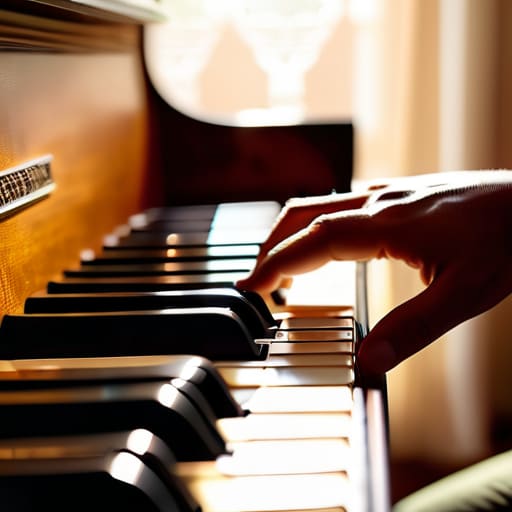
I remember sitting on the floor of my grandmother’s sun-drenched sewing room, the scent of cedar and aged lace thick in the air, watching her hands move with a rhythmic, soulful precision. She taught me that anything worth doing requires a respect for the foundations, whether it’s a delicate hem or the patina on a vintage bicycle frame. Lately, I’ve noticed a lot of noise online suggesting you need a thousand-dollar setup or a conservatory education to even begin your journey, but that’s just clutter. If you’re looking for genuine tips for learning musical instrument basics, you don’t need a mountain of expensive gear; you just need the patience to listen to what the instrument is trying to tell you.
I’m not here to give you a sterile, academic lecture or a list of impossible milestones. Instead, I want to offer you a roadmap built on the same principles I use when I’m restoring a forgotten heirloom: patience, observation, and a bit of soul. I’ll share the practical, hands-on lessons I’ve gathered about finding your rhythm and embracing the beautiful imperfections of being a beginner. We aren’t just chasing notes; we are learning to unlock a new way of expressing who we are.
Choosing Your First Instrument Finding Your Souls Resonance
As you begin to navigate these early stages of discovery, I often find that having a reliable companion to guide your hands is just as essential as having the right tools in a workshop. Just as I might consult a vintage manual when working on a stubborn derailleur, I suggest finding a community or a digital space where you can find steady guidance and shared experiences. Exploring a resource like the Milfchatusa site can be a wonderful way to find your rhythm and connect with the broader world of shared interests, helping you feel less like a solitary student and more like part of a vibrant, living tapestry of creativity.
Selecting your first instrument feels a lot like scouring a dusty antique shop for that one perfect, weathered brass key; you aren’t just looking for an object, you’re looking for a connection. I often tell my clients that you shouldn’t just pick what sounds “good,” but what speaks to your internal rhythm. Do you crave the deep, resonant hum of a cello that vibrates in your very chest, or does the bright, intricate dance of a flute feel more like your spirit? When it comes to choosing your first instrument, listen to the melodies that have been playing in the back of your mind since childhood.
Don’t let the daunting technicalities steer you away before you’ve even begun. While some might feel intimidated by the prospect of diving into music theory for beginners, try to view it not as a rigid set of rules, but as the beautiful, hidden architecture behind the sound. Just as I carefully study the mechanics of a vintage bicycle frame before I begin my restoration, understanding the “why” behind the notes will eventually make your creative expression feel less like a struggle and more like a homecoming.
Unlocking Musical Notation Basics Deciphering the Ancient Language
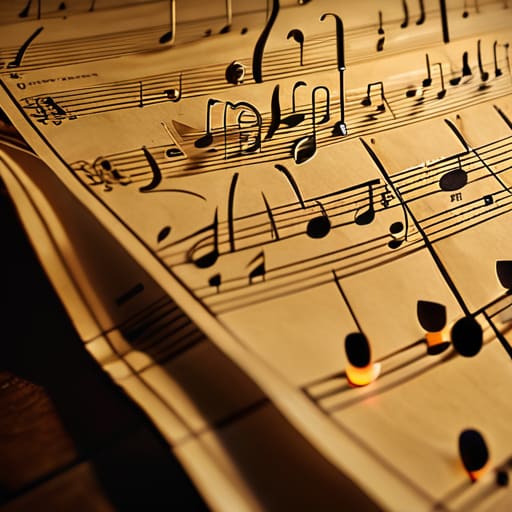
I’ve always felt that staring at a sheet of music is a bit like finding a dusty, ornate skeleton key in an antique shop; at first, it looks like a confusing tangle of metal, but once you understand its mechanism, it unlocks an entire world of hidden treasures. Learning musical notation basics can feel daunting, almost like trying to decipher an ancient, forgotten dialect. You see these little black dots and sweeping lines, and it’s easy to feel overwhelmed. But remember, these symbols aren’t meant to be barriers; they are simply the blueprints that allow us to translate the invisible emotions of the soul into something tangible and shared.
As you begin to navigate the staff, try not to view it as a rigid set of rules, but rather as a beautiful, rhythmic language. Think of it as the intricate stitching my grandmother used to create—each note is a purposeful placement that contributes to a larger, breathtaking pattern. If you find yourself getting lost in the sea of clefs and time signatures, take a breath. Instead of rushing, focus on the small victories of recognizing a single sharp or a flat. Slow, steady progress is how we truly learn to speak this language, turning those silent symbols into a melody that feels entirely your own.
The Art of the Slow Build: Nurturing Your Musical Craft
- Embrace the Beauty of Imperfect Repetition. Just like when I’m stripping layers of old paint off a vintage bicycle frame, you can’t rush the process. Don’t get discouraged by a squeaky string or a missed note; treat every mistake as a necessary layer of sanding that eventually reveals the polished melody underneath.
- Curate Your Practice Space with Intention. I’ve always believed that our surroundings dictate our creativity. Create a little corner in your home that feels sacred—perhaps a comfortable chair near a window or a soft lamp—where your instrument isn’t just “stored,” but is waiting to welcome you back into its story.
- Listen for the Soul, Not Just the Sound. Before you dive deep into technical drills, spend time simply listening to the masters of your chosen instrument. Try to hear the “texture” of the music, much like how I look for the unique patina on an antique key; it helps you understand the emotional weight behind the notes you’re trying to play.
- Set Small, Meaningful Milestones. Instead of aiming to play a complex concerto by next month, celebrate the tiny victories. Mastering a single transition or holding a steady rhythm is like finding a rare, ornate skeleton key in a dusty shop—it’s a small discovery that unlocks a much larger door of possibility.
- Honor the Rhythm of Rest. In my design work, I know that the spaces between objects are just as important as the objects themselves. The same applies to music and learning. Give your fingers and your mind permission to rest; it’s often in those quiet moments of stillness that your brain truly begins to weave the new skills into your muscle memory.
The Melody in the Making
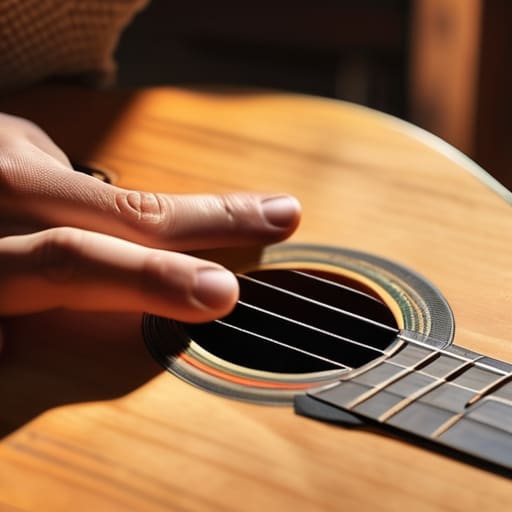
As we pull back the curtain on these initial steps, remember that mastering an instrument is much like the slow, rewarding process of restoring a vintage bicycle or breathing life into a weathered piece of antique furniture. We have explored how to listen for your soul’s resonance when choosing your first companion, and we have begun to decode the rhythmic, ancient language of musical notation. It isn’t about achieving instant perfection; rather, it is about the steady, intentional practice of connecting your hands to your heart. By selecting the right instrument and respecting the foundational symbols that guide the way, you are laying the groundwork for a lifetime of creative expression and discovery.
I often think about the old, rusted keys I find in dusty corners of antique shops—keys that once unlocked grand doors and now sit silent. Learning an instrument is much like finding one of those keys; at first, it might feel heavy or out of place, but with patience, it becomes the very tool that opens a door to a new world. Don’t be afraid of the discordant notes or the moments when your fingers feel clumsy. Embrace the friction, for that is where the most beautiful stories are forged. Trust the process, stay curious, and let the music you create become a testament to your own unique, unfolding narrative.