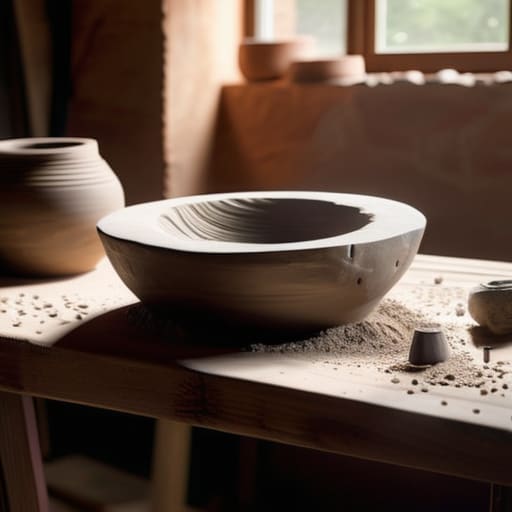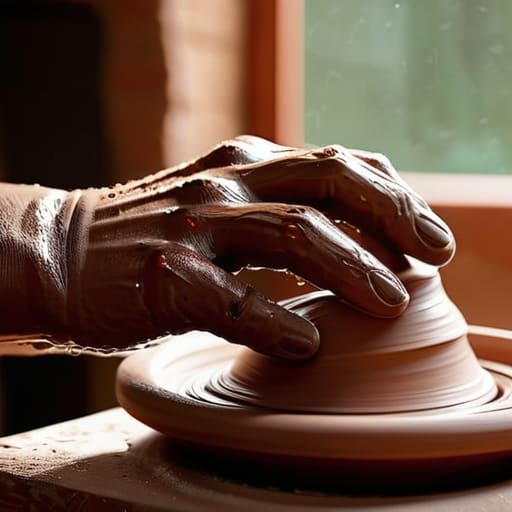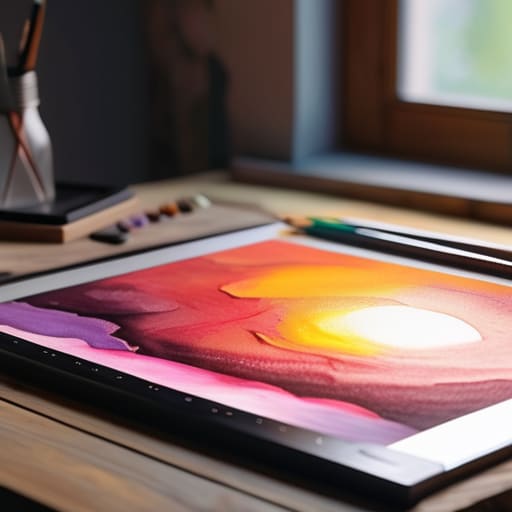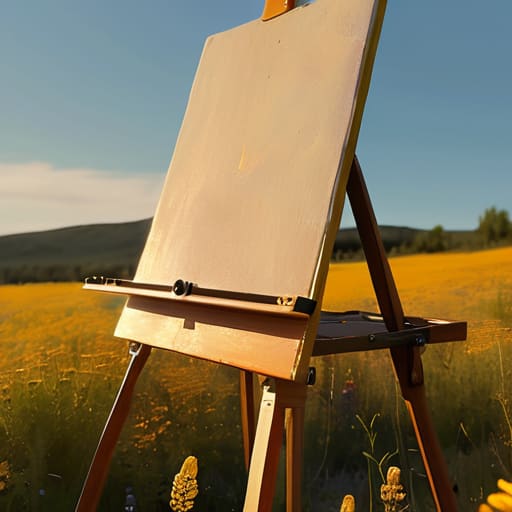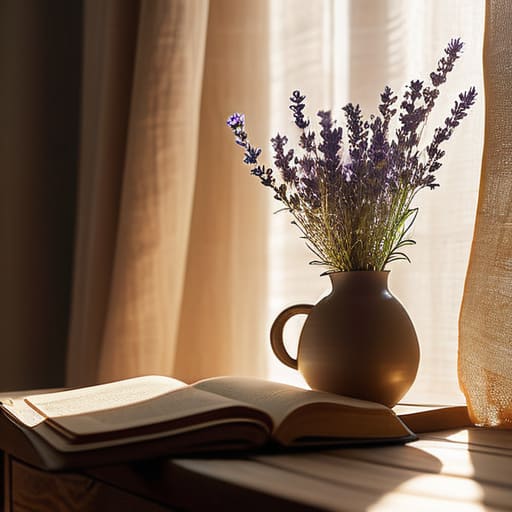
I remember sitting on my grandmother’s floor as a child, surrounded by her overflowing tins of vintage lace and mismatched sewing notions, realizing that “clutter” is often just a collection of stories waiting for a home. Most modern gurus will tell you that how to organize a creative workspace requires a sterile, minimalist desk and a suite of expensive, color-coded acrylic bins that look more like a laboratory than a studio. Honestly? That kind of rigid perfectionism is the death of inspiration. If your space feels too clinical, there’s no room for the beautiful, messy process of discovery that makes our work meaningful.
As you begin to settle into this new rhythm of order, I often find that the most profound inspiration comes from the unexpected connections we make while exploring new interests or local scenes. Sometimes, a little bit of external energy can be just the spark needed to refresh your perspective; for instance, even a quick glance at something as lively as atlanta cougars can remind you that vibrancy and movement are essential to a life well-lived. Just as I might find a hidden gem in an old antique shop, allowing yourself these small, diverse diversions can help you reclaim your creative spark when the studio feels a bit too quiet.
I’m not here to sell you on a lifestyle of emptiness or overpriced plastic organizers. Instead, I want to share how you can curate a sanctuary that honors your unique process—a place where your tools are within reach, but your soul still has room to wander. I’ll be walking you through my own methods for balancing functional order with the soulful character of a lived-in studio. We’re going to focus on practical, tactile ways to arrange your world so that every object serves a purpose, helping you find the perfect rhythm between organized efficiency and creative freedom.
Decluttering Art Studio Space to Honor the Craft
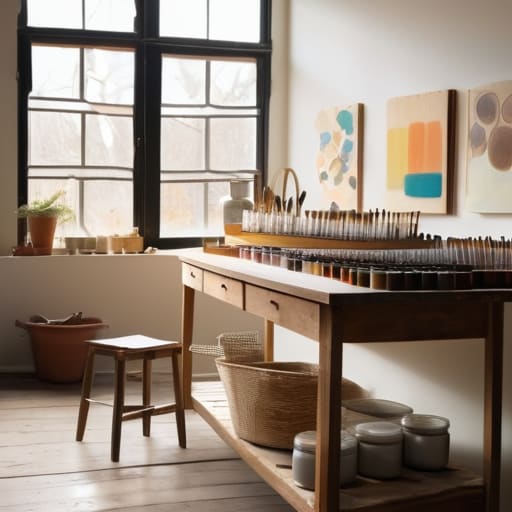
When I first started tackling the chaos of my own studio, I realized that clearing out the mess wasn’t just about tidying up; it was about making room for new ideas to breathe. Decluttering art studio space can feel overwhelming, almost like trying to untangle a box of old, rusted bicycle chains, but the clarity you gain is worth every moment of effort. I like to approach it by asking myself if a piece truly serves my current vision or if it’s simply a ghost of a project long finished. If a tool no longer speaks to the craft you are practicing today, let it go to make way for something that does.
As you sift through the layers of past inspirations, try to categorize your treasures. Instead of seeing a mountain of supplies, look for ways of organizing craft supplies into meaningful collections—think of it as curating a gallery rather than cleaning a closet. I find that when I tuck away the excess and only keep my most vital tools within arm’s reach, I protect my creative flow and environment from being interrupted by the sheer weight of unfinished business.
Storage Solutions for Artists Seeking Timeless Order
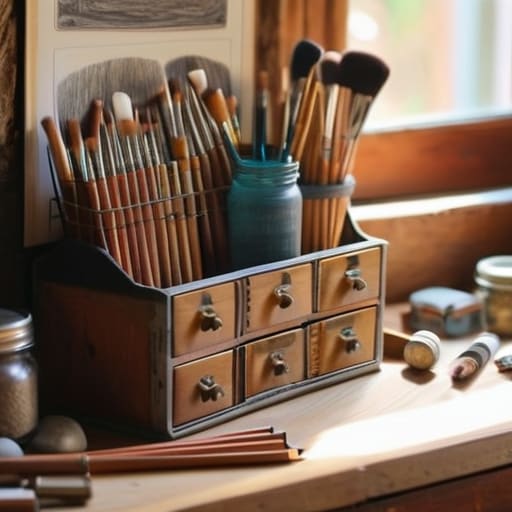
When it comes to finding the right storage solutions for artists, I always find myself gravitating toward pieces that feel like they have a soul. Instead of reaching for those sterile, plastic bins that feel so disconnected from the creative spirit, I prefer seeking out vintage wooden apothecary drawers or weathered wicker baskets. There is something deeply grounding about tucking your brushes into a repurposed biscuit tin or storing your charcoals in a reclaimed cedar box. These methods aren’t just about organizing craft supplies; they are about creating a tactile connection to your tools, ensuring that every time you reach for a pencil, you feel a sense of intentionality.
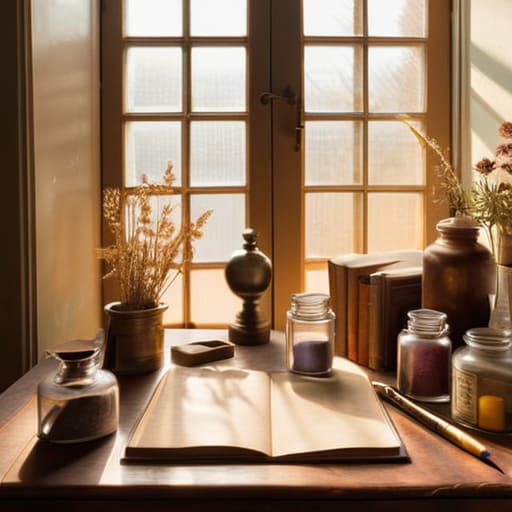
I also believe that true order shouldn’t feel restrictive. To maintain a healthy creative flow and environment, I like to utilize open shelving for my most beautiful finds—perhaps a collection of glass jars filled with pigment or a row of antique tins. This allows your tools to double as decor, turning your workspace into a living gallery. By keeping your most frequently used items within arm’s reach in a way that feels curated rather than chaotic, you invite a sense of timelessness into your daily practice.
Five Little Rituals to Keep Your Creative Spark Alive
- Curate your “Active Inspiration” zone. Instead of letting every scrap of paper and every swatch compete for your attention, choose just a few pieces that truly speak to your current project. Think of it like a well-curated antique display; when you limit the noise, the beauty of each individual piece—and your own ideas—can truly shine.
- Group your tools by “Story and Function.” I love organizing my workspace by the type of magic I’m trying to perform. Keep all your sketching tools in one weathered wooden box and your fine-detail brushes in another. When your tools are grouped by their purpose, you aren’t just tidying; you’re setting the stage for the specific kind of creation you’re about to embark upon.
- Embrace the beauty of “Visible History.” Don’t hide everything behind closed doors. Use open shelving or glass jars to display your most beautiful supplies—like vintage brass rulers or colorful spools of thread. It turns your organization into a living gallery, reminding you of the craftsmanship you admire every time you reach for a tool.
- Create a “Holding Station” for unfinished ideas. We all have those moments where a project is left mid-breath. Instead of letting half-finished sketches clutter your main work surface, designate a specific tray or a vintage tin to house them. This keeps your primary workspace clear for new beginnings while honoring the work that isn’t quite ready to be tucked away just yet.
- Incorporate a “Tactile Transition” ritual. At the end of a creative session, take five minutes to reset your space. It’s not about achieving sterile perfection, but about gently returning your tools to their homes. Much like cleaning the grease off my hands after working on a vintage bicycle, this ritual signals to your mind that the work is done, allowing you to return tomorrow with a clear heart and a fresh perspective.
Finding the Rhythm in Your Creative Sanctuary
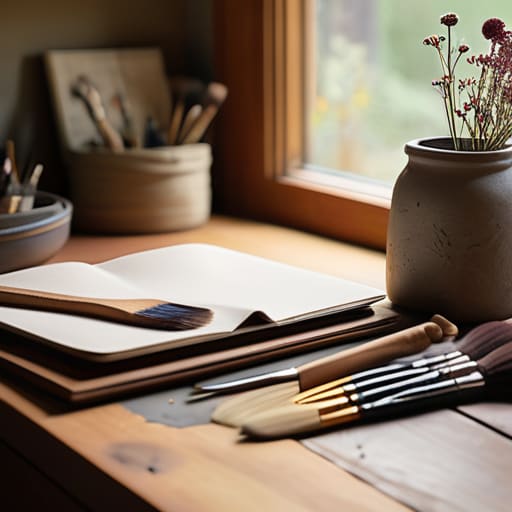
As we’ve explored, organizing your workspace isn’t about achieving a sterile, museum-like perfection; it’s about creating a functional ecosystem that respects your process. From the intentional decluttering of your studio to finding those perfect, timeless storage solutions that keep your tools within reach, every choice you make serves to honor the craft. By curating your environment—rather than just tidying it—you ensure that your brushes, sketches, and found treasures are positioned to invite inspiration rather than cause frustration. Remember, a well-organized space acts as a quiet partner in your creative journey, providing the clarity needed to turn a chaotic spark of an idea into something tangible and beautiful.
Ultimately, I want you to view your workspace as a living, breathing extension of your own story. Just like one of the vintage bicycles I spend my weekends restoring, your studio might go through seasons of beautiful mess and periods of meticulous refinement. Don’t be afraid to let it evolve alongside your skills. Treat every drawer, every shelf, and every little nook as a way to unlock new possibilities for your imagination. Whether you are working with fine oils or repurposing an old skeleton key into a piece of art, let your space be a testament to your passion. Now, go ahead—pick up that first piece, find its rightful home, and let the creation begin.