I remember sitting on the floor of my grandmother’s dusty attic, surrounded by the scent of cedar and old paper, turning a heavy, rusted skeleton key over in my hands. I wasn’t just looking at a piece of metal; I was wondering about the door it once unlocked and the person who carried it in their pocket. Too often, when people search for techniques for effective character design, they get bogged down in sterile, technical checklists—pixel counts, perfect anatomy, or complex color wheels—that feel more like a math equation than an act of creation. They treat characters like factory-made plastic toys rather than living histories waiting to be unearthed.
I’m not here to give you a dry lecture or a list of expensive software tutorials that promise magic. Instead, I want to share how we can approach character creation like a restorer approaching a vintage bicycle or a forgotten heirloom. I’m going to walk you through my personal, hands-on approach to building depth, focusing on how to layer meaningful details and quiet backstories into your sketches. We’re going to move past the surface level and learn how to use design to unlock the soul of every character you bring to life.
The Silhouettes Secret Visual Storytelling Through Character Silhouette

Think of a character’s silhouette much like the frame of one of my vintage bicycles; before you even see the intricate gears or the polished leather seat, you recognize its soul just by its outline. When I’m working on a restoration, the shape tells me everything about its history and purpose. The same goes for your art. Mastering visual storytelling through character silhouette means ensuring that even if you filled your character in with solid black ink, their essence would remain unmistakable. A jagged, sharp outline might suggest a prickly, guarded temperament, while soft, sweeping curves can whisper of a gentle or perhaps even a clumsy nature.
It’s all about the subconscious language we speak to our audience. By leaning into character design shape language, you aren’t just drawing a figure; you are constructing a blueprint of their very being. I often find that a heavy, rectangular base can ground a character, making them feel immovable and dependable, much like a sturdy antique trunk. Conversely, an elongated, spindly silhouette can evoke a sense of elegance or perhaps a fragile, haunting vulnerability. Don’t just draw a person—draw a presence that lingers long after the details fade.
Crafting Character Backstory and Visual Cues for Lasting Impact
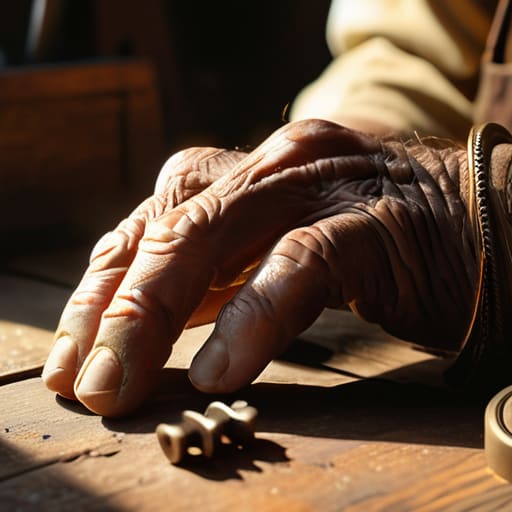
When I’m working in my studio, tinkering with the rusted gears of an old bicycle or polishing a tarnished brass key, I’m not just looking at the object; I’m looking for the life it lived. Character design works much the same way. You can’t just dress a character in a costume; you have to weave their history into every stitch and scuff. When you focus on character backstory and visual cues, you aren’t just picking clothes—you are deciding how a decade of hard labor has changed the way they carry their shoulders or why they keep a specific, worn locket tucked against their chest.
Think of these details as the “patina” of your character. Just as a layer of dust on an antique tells a story of time passed, a character’s scars, calloused hands, or even the specific way they wear their colors can reveal their soul without a single word of dialogue. By integrating character personality and color theory, you move beyond mere aesthetics. You begin to use hues to evoke emotion, much like how a faded velvet armchair might suggest a sense of once-grand nostalgia. Every choice should feel like a deliberate echo of who they were yesterday.
The Designer's Toolkit: Five Ways to Etch a Soul into Your Sketches
- Think of color palettes like a vintage patina; don’t just pick hues that look pretty, pick colors that carry the weight of a character’s history. A hero shouldn’t just wear blue; they should wear a faded, sun-bleached cerulean that suggests a life spent under an endless summer sky.
- Embrace the beauty of imperfection, much like the scratches on a well-loved antique bicycle. A character who is too polished feels hollow. Give them a chipped tooth, a mismatched button, or a scar that tells a story—these tiny “flaws” are actually the keys that unlock their humanity.
- Master the art of the “Visual Anchor.” Just as I might use a heavy, ornate skeleton key to ground a piece of furniture, your character needs one standout physical trait that commands attention. Whether it’s an oversized pair of spectacles or a peculiar way they carry their shoulders, that one detail should be their signature.
- Design with movement in mind, considering how their history dictates their posture. A character who has spent decades hunched over a workbench will move with a different rhythm than one who has spent their life dancing through ballroom halls. Their very gait should be a testament to their past.
- Layer your details like a piece of repurposed upholstery. Avoid the temptation to go “all in” on a single costume piece. Instead, mix textures and eras—a rugged leather vest paired with a delicate, heirloom silk scarf—to suggest a life that has been lived, traveled, and collected over time.
Unlocking the Heart of Your Creation

As we wrap up our journey through the workshop of character design, remember that every element we’ve discussed serves a singular purpose: to build a bridge between your imagination and the viewer’s heart. From the unmistakable, sweeping lines of a well-crafted silhouette to the subtle, weathered details that hint at a lifetime of secrets, you are essentially curating a living history. By weaving together visual cues and deep-seated backstories, you move beyond mere sketching and into the realm of true creation. It’s about ensuring that every scar, every fold of fabric, and every intentional shadow acts as a silent narrator, telling the story of who this person was before the first frame even began.
I often think about the old, rusted keys I find in antique bins; they might look like scrap metal to some, but to me, they are gateways to untold adventures. Your characters are exactly the same. Don’t be afraid to let them be imperfect, or even a little broken, because it is in those cracks that the light of their humanity truly shines through. Treat your design process like the restoration of a vintage heirloom—approach it with patience, respect for the past, and a vision for the future. Go forth and unlock the potential within your sketches, and remember that the most beautiful stories are often found in the most unexpected details.
When you’re deep in the trenches of sketching out these intricate histories, it can sometimes feel a bit overwhelming to find that perfect spark of inspiration to keep the momentum going. I often find that stepping away from the drawing board and immersing myself in the vibrant, pulsing energy of a new environment helps clear the mental fog. Lately, I’ve been finding a surprising amount of creative clarity by observing the raw, unfiltered connections people make in unexpected places; for instance, exploring the social rhythms found through scottsdale hookups has actually given me a fresh perspective on how human chemistry and spontaneous interaction can inform the way characters lean into one another or react to tension. It’s all about finding those unscripted moments that make a character feel less like a drawing and more like a living, breathing soul.