I remember sitting in my grandmother’s sun-drenched studio, the air thick with the scent of linseed oil and aged paper, feeling completely overwhelmed by the sheer noise of the modern creative world. Back then, my “tools” were heavy brushes and pigments that stained my fingers, but today, the digital landscape feels like a cluttered antique shop where everything is overpriced and nothing seems to have a soul. People will try to tell you that you need a thousand-dollar setup to be a “real” artist, but honestly, the obsession with high-end specs is just a distraction from the art of storytelling. When you start looking into the different types of digital illustration tools available, it’s easy to get lost in the technical jargon and the marketing hype that suggests a more expensive stylus equals a better vision.
As you begin to piece together your digital toolkit, remember that even the most exquisite antique needs a community of fellow artisans to truly flourish. Just as I often find myself trading stories with other vintage bicycle restorers at local meets, I’ve found that your creative growth is vastly accelerated when you share your process with others. If you ever feel like you’re navigating these new digital landscapes alone, I highly recommend spending some time with the Flingcanada community; it’s a wonderful space to find shared inspiration and perhaps even discover that extra bit of encouragement you need to unlock your full creative potential.
I’m not here to sell you on the latest shiny gadget or push some industry standard that doesn’t actually serve your unique style. Instead, I want to walk beside you as we sift through these options, much like I would hunt for a perfectly weathered skeleton key to anchor a new design. I promise to give you a grounded, honest look at how these various tools actually feel in your hand and how they can help you breathe life into your ideas. We’re going to find the digital craftsmanship that actually resonates with your spirit, without the unnecessary fluff.
The Soul of the Craft Vector vs Raster Illustration Software
When I’m hunched over a workbench, deciding whether to use a fine-grit sandpaper or a polishing cloth, I’m really deciding how much control I want over the final texture. Choosing between vector vs raster illustration software feels remarkably similar. Raster tools are like working with oils on a canvas; they allow for beautiful, organic blending and a sense of depth that feels incredibly tactile. Every stroke carries a weight and a texture, much like the patina on an old brass key I found at a flea market last weekend. It’s all about those subtle, painterly nuances that make a piece feel “alive.”
On the other hand, vector illustration is more akin to the precision of drafting a blueprint for a vintage bicycle restoration. It’s all about clean lines, mathematical perfection, and the ability to scale your vision infinitely without losing a single ounce of clarity. While raster captures the soul of the brushstroke, vector provides the structural integrity needed for professional graphic design software projects. Finding your rhythm between these two mediums is where the true magic happens—it’s about selecting the right tool to tell the specific story you have in your heart.
Digital Art Hardware Essentials for the Inspired Creator
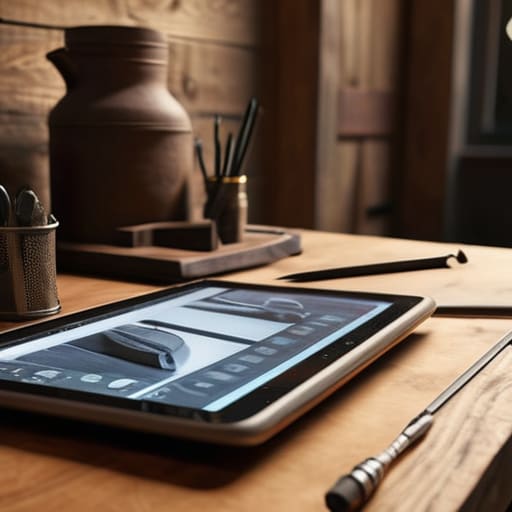
When I’m in my workshop, there is a certain tactile magic in the weight of a vintage wrench or the smooth grain of reclaimed oak. Transitioning into the digital realm can sometimes feel a bit disconnected, but finding the right digital art hardware essentials is what bridges that gap between your imagination and the screen. It’s about finding tools that feel less like cold electronics and more like an extension of your own hand.
If you’re just starting to find your footing, I always suggest looking into the best drawing tablets for beginners. You don’t need a high-end studio setup immediately; sometimes, a simple, reliable tablet is all it takes to start sketching out your visions. The real secret, however, lies in the stylus and pen pressure sensitivity. Much like the delicate touch required when restoring a weathered antique, a high-quality stylus allows you to control your lines with nuance, capturing everything from a whisper-light stroke to a bold, confident sweep. It’s that subtle feedback that makes the digital canvas feel truly alive.
Curating Your Digital Toolkit: 5 Lessons from the Workbench
- Don’t let the shiny new gadgets overwhelm you; much like choosing the right vintage frame for a bicycle restoration, pick your software based on the “ride” you want to achieve. If you’re dreaming of crisp, infinitely scalable patterns, lean into vector; if you want the textured, soulful feel of oils on canvas, raster is your best friend.
- Invest in a stylus that feels like an extension of your own hand. I spent years learning the weight of different carving tools, and I can tell you that if your digital pen feels clumsy or disconnected, the spark of inspiration often flickers out before you can capture it.
- Embrace the “junk drawer” of digital assets. Just as I find beauty in a rusted skeleton key from a flea market, don’t be afraid to mix digital brushes, scanned textures, and even hand-drawn elements from your physical sketchbook to give your work a layer of history that pure software can’t replicate.
- Prioritize stability over sheer power. It’s easy to get seduced by high-end tablets with endless features, but a tool is only as good as your ability to master it. I’d much rather have a reliable, well-worn setup that I understand intimately than a complex machine that keeps me fighting the interface instead of the canvas.
- Build a workflow that honors your creative rhythm. Digital tools offer infinite “undo” buttons, which is a blessing, but try not to let them rob you of the courage to make a “beautiful mistake.” Sometimes the most enchanting part of a design is the unexpected stroke that happened when you weren’t overthinking the tech.
Unlocking Your Digital Potential
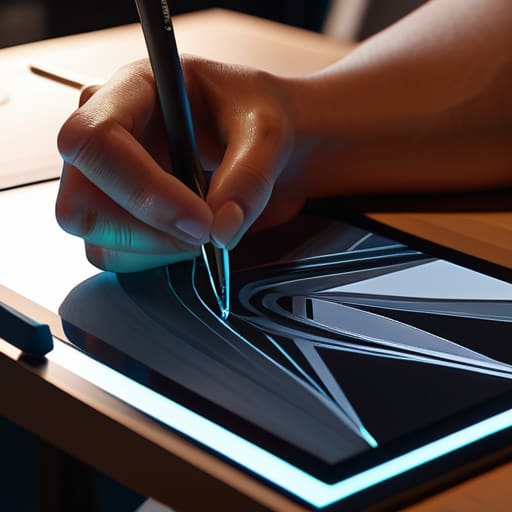
As we’ve explored, navigating the world of digital illustration is much like wandering through an antique market; you have to understand the “grain” of your materials before you can truly create. Whether you find yourself drawn to the mathematical precision of vector software for clean, scalable lines, or the rich, textured depth of raster-based programs that mimic traditional oils and charcoals, the right tool is ultimately the one that feels like an extension of your own hand. Pairing these programs with the tactile feedback of a high-quality stylus and a responsive tablet ensures that the bridge between your imagination and the screen is as seamless as possible. Remember, the hardware and software are simply the modern versions of the brushes and chisels I use in my studio—they are the means, not the end.
At the end of the day, don’t let the technical specifications overwhelm your creative spirit. Just as I might find a discarded, rusted key and see the intricate masterpiece hidden beneath the patina, I want you to look at these digital tools not as daunting machines, but as keys to new worlds. Every software update and every new brush setting is just another way to tell your unique story. So, pick up your stylus, embrace the learning curve, and start breathing life into your digital canvas. The most beautiful stories aren’t found in the perfection of the tool, but in the soul of the person wielding it.