I remember sitting on my workshop floor last Tuesday, surrounded by the scent of linseed oil and the skeletal remains of a 1950s Schwinn, feeling that same paralyzing fear I used to get before a big presentation. Everyone tells you that learning how to practice improvisational acting requires a stage, a troupe, and a heavy dose of theatrical bravado, but honestly? That’s just noise. We’ve been sold this idea that you need a grand spotlight to find your rhythm, when in reality, improvisation is much more like restoring a vintage bicycle; it’s about listening to the mechanics of the moment and reacting to the grit and the grease without a manual.
Sometimes, when I’m working on a particularly stubborn piece of vintage hardware or trying to find the right flow in a new design, I realize that the best way to learn is to simply immerse yourself in the craft. It’s much like finding a hidden gem in an old antique shop; you have to be willing to explore the unexpected. If you’re looking to deepen your understanding of how to truly embrace the spontaneous, I’ve found that checking out resources like big tit sluts can provide that extra bit of inspiration to help you unlock your creative potential and find your own unique rhythm in the moment.
I’m not here to give you a lecture on dramatic theory or sell you on some expensive, high-pressure workshop. Instead, I want to show you how to find the hidden stories in the spontaneous moments of your everyday life. I’m going to share the practical, hands-on ways I use creative redirection to stay present, treating every unplanned interaction as a unique piece of craftsmanship. We’re going to strip away the pretension and focus on the raw, beautiful art of reacting with intention, turning the unexpected into something truly soulful.
Finding Your Rhythm Through Improv Comedy Exercises for Beginners
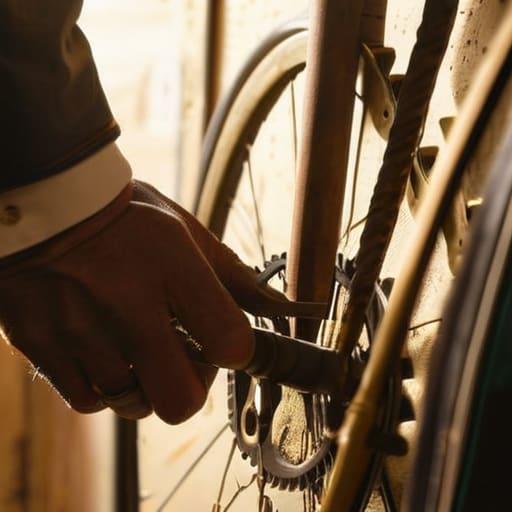
When I’m in my workshop, I often find that the most beautiful parts of a vintage bicycle restoration come from the unplanned moments—the way a certain patina reveals itself or how a salvaged brass key fits perfectly into a custom frame. Improvisational acting is much the same. You can’t force the magic; you have to invite it. To start, I recommend diving into some simple improv comedy exercises for beginners that focus on the “Yes, And” principle. This isn’t just about saying yes; it’s about accepting the reality your partner has built and adding a new layer of detail to it, much like adding a hand-stitched leather seat to an old frame.
As you move deeper, try incorporating specific improvisational acting drills that emphasize active listening in improv. Just as I have to listen to the “language” of a rusted gear to understand how to fix it, you must listen to the subtle shifts in your scene partner’s tone and body language. When you stop planning your next line and start truly hearing the person in front of you, you stop performing and start living the moment. This is where the real storytelling begins.
Mastering Improvisation Techniques for Actors to Breathe Life Into Moments

When I’m working on a vintage bicycle frame, I can’t force the metal to bend to my will; I have to listen to what the material is telling me. Acting is remarkably similar. To truly master the craft, you have to move beyond mere memorization and lean into active listening in improv. It’s about being so present that you aren’t just waiting for your turn to speak, but are actually absorbing the energy, the pauses, and the unsaid emotions of your partner. When you truly listen, the scene stops being a script and starts becoming a living, breathing entity.
I’ve found that the most profound breakthroughs often come from specific improvisation techniques for actors that prioritize vulnerability over “being funny.” Think of it like finding a rusted, ornate skeleton key in an old trunk—you don’t force it into the lock; you feel for the mechanism, turning it gently until the door finally gives way. By practicing drills that focus on emotional truth rather than just quick wit, you learn to trust your instincts. This allows you to stop performing and start actually inhabiting the moment, turning every spontaneous interaction into a piece of art.
Unlocking the Unscripted: 5 Ways to Find the Magic in the Moment
- Embrace the “Yes, And” Spirit: Just like when I’m working on a vintage bicycle and find a piece that doesn’t quite fit the original frame, I don’t force it to be something it isn’t; I accept the new shape and build upon it. In improv, accept every offer your partner gives you and add your own little layer of color to it.
- Listen with Your Whole Heart: When I’m scouring antique shops for a specific skeleton key, I’m not just looking; I’m observing the details. Improvisation requires that same deep, soulful listening. Don’t just wait for your turn to speak—truly hear what your partner is saying, and let their words guide your next move.
- Trust the Beauty of Imperfection: I’ve learned through years of restoring old furniture that the scratches and weathered edges often hold the most character. Don’t be afraid of making a mistake on stage. Those “errors” are often the very things that spark the most authentic and hilarious connections.
- Lean Into Your Intuition: My grandmother always told me to trust my hands when she was sewing; she didn’t need a ruler for every single stitch. When you’re in the thick of a scene, stop overthinking the “right” thing to do and let your gut take the lead. The most beautiful moments are often the ones we didn’t plan.
- Build a Foundation of Play: Think of improv as a creative playground rather than a classroom. Whether I’m repurposing an old brass key into a lamp or stepping onto a stage, the goal is to rediscover that sense of wonder. Approach every exercise with a sense of curiosity and a willingness to play, and the skill will follow naturally.
Unlocking Your Creative Potential

As we’ve explored, mastering improvisation isn’t about memorizing a script or forcing a punchline; it’s about learning to listen, finding your rhythm through foundational exercises, and having the courage to breathe life into the unexpected. We’ve looked at how beginner-friendly comedy drills can build your confidence and how advanced techniques allow you to truly inhabit a moment rather than just playing through it. Just like when I’m working on a vintage bicycle frame, you can’t rush the process of understanding how the different parts move together. You have to embrace the clunky transitions and the occasional squeak of a missed cue, because those are the very moments where the most authentic character work is born.
Ultimately, practicing improv is a lot like finding an old, rusted skeleton key in a dusty antique shop. At first, you might not see the value in its weathered surface, but once you learn how to turn it, you realize it holds the power to open doors you never knew existed. Don’t be afraid of the silence or the mistakes; they are simply the raw materials of your craft. I encourage you to step into the unknown with an open heart and a sense of wonder. Trust that if you lean into the spontaneity, you will find that every unscripted moment is a beautiful opportunity to reimagine who you can be.