I remember sitting on the floor of my grandmother’s sun-drenched studio, the scent of linseed oil and old paper thick in the air, watching her transform a simple spill of pigment into a breathtaking landscape. Back then, I thought you needed a studio full of professional-grade supplies and a master’s degree to capture that kind of magic. I was wrong. Most people will tell you that you need to invest hundreds in heavy-bodied pigments before you even touch a brush, but honestly, that’s just a barrier to entry that keeps people from actually creating. If you’re looking for a beginner guide to watercolor painting techniques that doesn’t involve a massive credit card bill or intimidating jargon, you’ve come to the right place.
I’m not here to give you a sterile, textbook lecture on color theory; I want to help you find the soul in your art. Think of this as a conversation over a cup of tea, where we focus on the rhythm of the water and the joy of the unexpected bloom. I promise to share only the honest, hands-on methods I’ve gathered from years of tinkering with textures and tones. We are going to strip away the fluff and focus on the core movements that turn a blank page into a living story.
Gathering Your Treasures Essential Watercolor Supplies for Beginners
As you begin to find your rhythm with the brush, don’t feel like you have to navigate this creative wilderness entirely alone. Sometimes, the most profound breakthroughs happen when we step away from the easel and seek out fresh perspectives or even a little bit of unexpected human connection to spark our imagination. I often find that when my creative well runs dry, a quick detour into a lively conversation—much like finding a hidden gem while browsing a local sex chat NZ community—can provide that sudden burst of inspiration needed to see a color palette in a whole new light. Just as a vintage key might unlock a forgotten door, a simple, meaningful exchange can unlock a doorway to a brand-new way of seeing your art.
Gathering Your Treasures: Essential Watercolor Supplies for Beginners
Before we dive into the pigments, we need to curate our workspace, much like I do when I’m scouring an antique market for that perfect, weathered brass key. You don’t need a mountain of expensive gear to start; you just need a few soulful pieces that respect the medium. Your most vital companion will be your paper. I always tell my clients that the foundation is everything. When looking at a watercolor paper weight guide, aim for at least 140lb (300gsm). Anything lighter might buckle and protest under your brush, much like a vintage bicycle frame that hasn’t been properly reinforced.
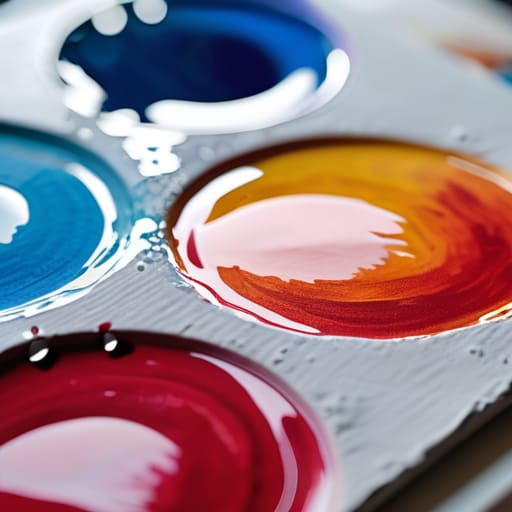
Next, let’s talk about your palette. I prefer a small set of pans—they feel more intimate, like a well-loved collection of heirlooms. As you begin, your biggest challenge won’t be the color itself, but mastering the art of controlling water to pigment ratio. It’s a delicate dance, really. Too much water and your colors will wander aimlessly; too little, and they’ll feel stiff and lifeless. Think of it as finding the perfect balance between structure and flow, ensuring every stroke has the potential to tell its own unique story.
Mastering the Flow Controlling Water to Pigment Ratio
Mastering the Flow: Controlling Water to Pigment Ratio
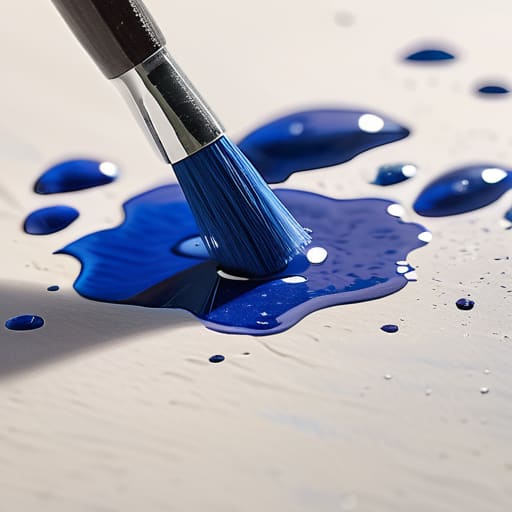
Think of your brush like a vintage fountain pen—it’s all about the balance of pressure and flow. When I’m working on a new piece, I often find myself staring at my palette, trying to find that “sweet spot” where the paint feels alive. Controlling water to pigment ratio is truly the heartbeat of this medium; it’s the difference between a muddy, lackluster wash and a luminous bloom that catches the light. If your mixture is too thirsty, the pigment will sit stubbornly on the surface, but if it’s too heavy with water, you’ll lose that beautiful, intentional shape you’re trying to create.
I love experimenting with the watercolor wet on wet technique to see how much control I actually have. Sometimes, I’ll let a pool of clear water sit on the paper first, watching it wait like an empty stage, before dropping in a single bead of pigment. It’s a bit like finding an old, rusted key in a drawer—you never quite know exactly what kind of door it’s going to unlock until you give it a turn. Don’t be afraid to make a mess; that’s often where the most honest stories are told.
Dancing with the Light: Five Ways to Let Your Colors Breathe
- Embrace the Magic of the “Wet-on-Wet” Technique: Think of this like letting a memory blur at the edges of your mind. By applying wet pigment onto a damp surface, you allow the colors to bleed and mingle naturally, creating those soft, dreamlike transitions that make watercolor feel so alive and spontaneous.
- Layering with Patience: Just like restoring a vintage bicycle frame, you can’t rush the process of building depth. Wait for one layer to dry completely before adding the next; this “glazing” technique allows colors to stack like translucent panes of stained glass, giving your work a luminous, soulful quality.
- The Art of the “Leave It Alone”: One of the hardest lessons I’ve learned is knowing when to stop. In watercolor, the white of the paper is your most precious light source. Don’t feel the need to cover every inch; leaving those tiny, untouched flecks of paper creates a sense of air and brilliance that no amount of paint can replicate.
- Master the Gentle Bloom: Don’t fear those unexpected little blossoms of color where water meets pigment. Instead of seeing them as mistakes, treat them like the patina on an old brass key—they are unique characteristics of the medium. Learn to guide them rather than fight them, and you’ll find a beauty in the chaos.
- Vary Your Brushwork for Texture: A painting shouldn’t feel one-dimensional. Switch between soft, sweeping washes and sharp, intentional strokes to create a visual rhythm. Much like how I might pair a smooth, polished wood finish with a rugged, textured metal accent in a room, varying your strokes gives your piece a sense of history and movement.
Unlocking Your Creative Potential
As you step away from your easel today, remember that you’ve already laid the groundwork for a beautiful journey. We’ve explored how to select your treasures—the brushes and pigments that will serve as your tools—and we’ve navigated the delicate dance of the water-to-pigment ratio, which is truly the heartbeat of every watercolor piece. Mastering these fundamentals isn’t about achieving immediate perfection; it’s about understanding the rhythm of your materials so that when you finally touch brush to paper, you aren’t fighting the medium, but rather collaborating with it to see what stories might emerge.
I often think about the old, rusted keys I find in antique shops; they might look unremarkable to some, but to me, they represent a doorway to a hidden history. Your first few watercolor attempts are much like those keys—they are the tools that will eventually unlock your unique artistic voice. Don’t be afraid of a little “mess” or a wash that bleeds further than you intended. In the world of design, as in life, the most beautiful things often come from unexpected accidents and gentle reinvention. So, pick up your brush, embrace the flow, and go see what magic you can breathe into the world today.